Meal Timing May Help Reduce Jet Lag Symptoms

Nutrition experts say changes to eating and drinking habits may lessen the sleep disruption, tiredness and stomach problems associated with jet lag. The condition occurs when the body clock remains aligned with the departure time zone after a long-haul journey. Daylight and sleep remain central to recovery, but meal timing, portion size and hydration may also affect how travellers feel during the first few days abroad.
Ways to Ease the Adjustment
- Before departure: Move meals gradually towards the destination’s time zone
- After landing: Follow local breakfast, lunch and dinner times
- During the journey: Choose smaller portions if digestion feels unsettled
- Alcohol: Avoid it because it can disturb sleep
- Caffeine: Keep coffee and tea to earlier local hours
- Hydration: Drink water throughout the flight
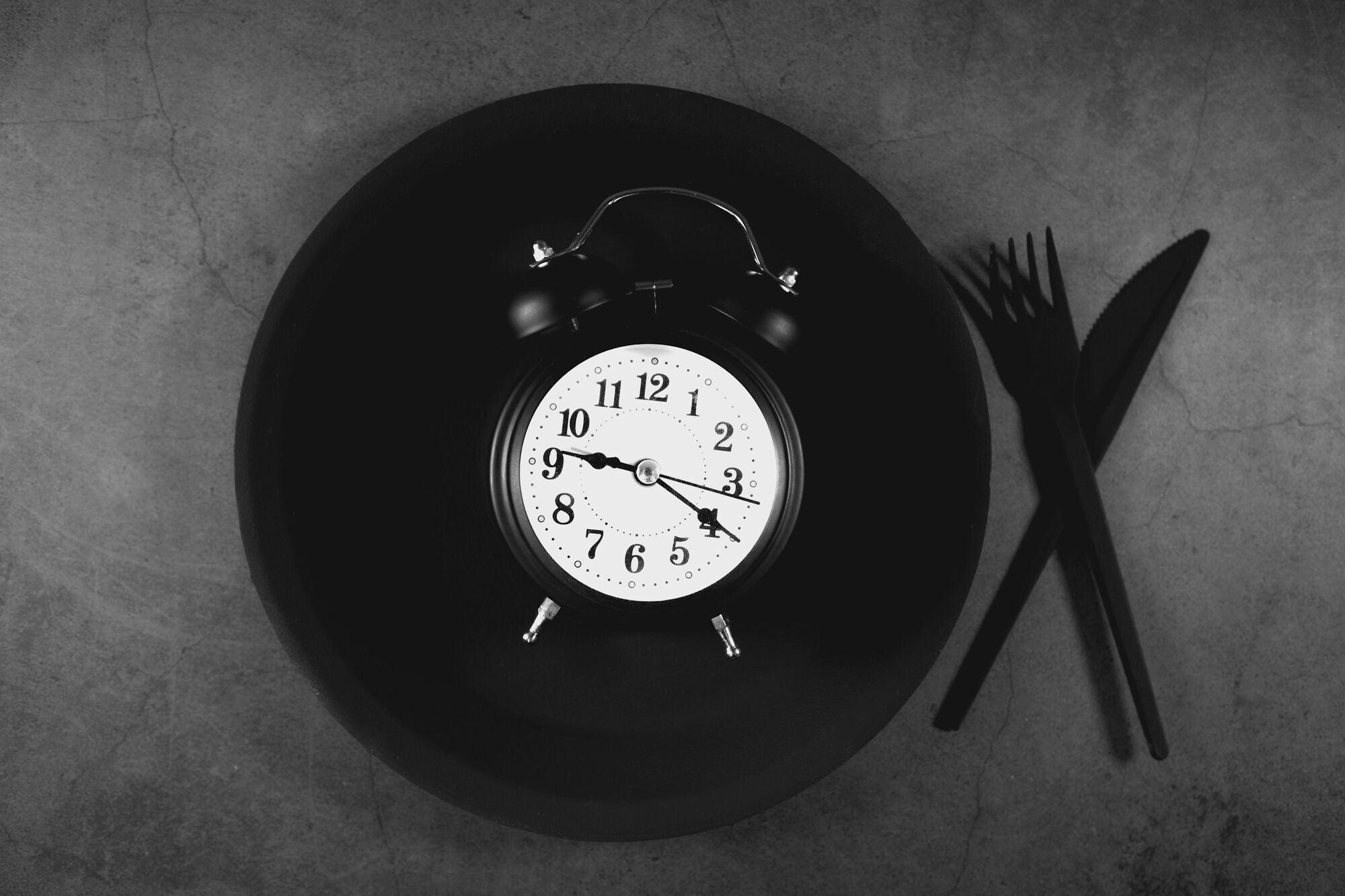
Researchers advise eating at local times after landing, even if appetite still follows the clock at home. A 2023 computer modelling study involving Northwestern University researchers suggested that making breakfast the day’s largest meal may help the body adjust to a new time zone, although this was not tested on travellers. Anyone dealing with bloating, constipation or diarrhoea may find smaller meals easier, while alcohol and late caffeine can make sleep harder.
Managing jet lag can protect time set aside for early tours, museum visits, restaurant bookings and onward journeys. Long-distance arrivals often lose part of the opening days to exhaustion or digestive discomfort after crossing several time zones. Food choices cannot remove jet lag, but avoiding alcohol, limiting late caffeine and drinking water during the flight may prevent common symptoms from becoming harder to manage.
No special diet is required. The advice focuses on following the local timetable, keeping portions modest when the stomach feels unsettled and avoiding alcohol as a sleep aid. Coffee or tea is best kept to earlier local hours, while water remains important in dry aircraft cabins. Before the journey home, travellers can start eating closer to their usual schedule, which may make the first days back easier.