Plane Water Study Raises Fresh Concerns About Hot Drinks On Board
A new US report has revived concerns about the quality of water used on aircraft for tea, coffee and handwashing. The 2026 Airline Water Study, published by the Center for Food as Medicine and Longevity, examined water systems on ten major airlines and eleven regional carriers across the United States. Researchers reviewed data gathered between 2022 and 2025 and checked whether airlines met federal water safety standards that cover onboard tanks and galley tap water.
Across 35,674 sampling locations tested for coliform bacteria, 949 returned positive results. The study also documented 32 E. coli violations during the same period, a pathogen linked with vomiting and diarrhoea. While carriers such as Delta and Frontier returned results that met federal standards, most regional and budget airlines performed poorly. The report concluded that water safety protocols are uneven and often fail to keep pace with aircraft turnaround schedules.
Nearly all regional airlines need to improve their onboard water safety.
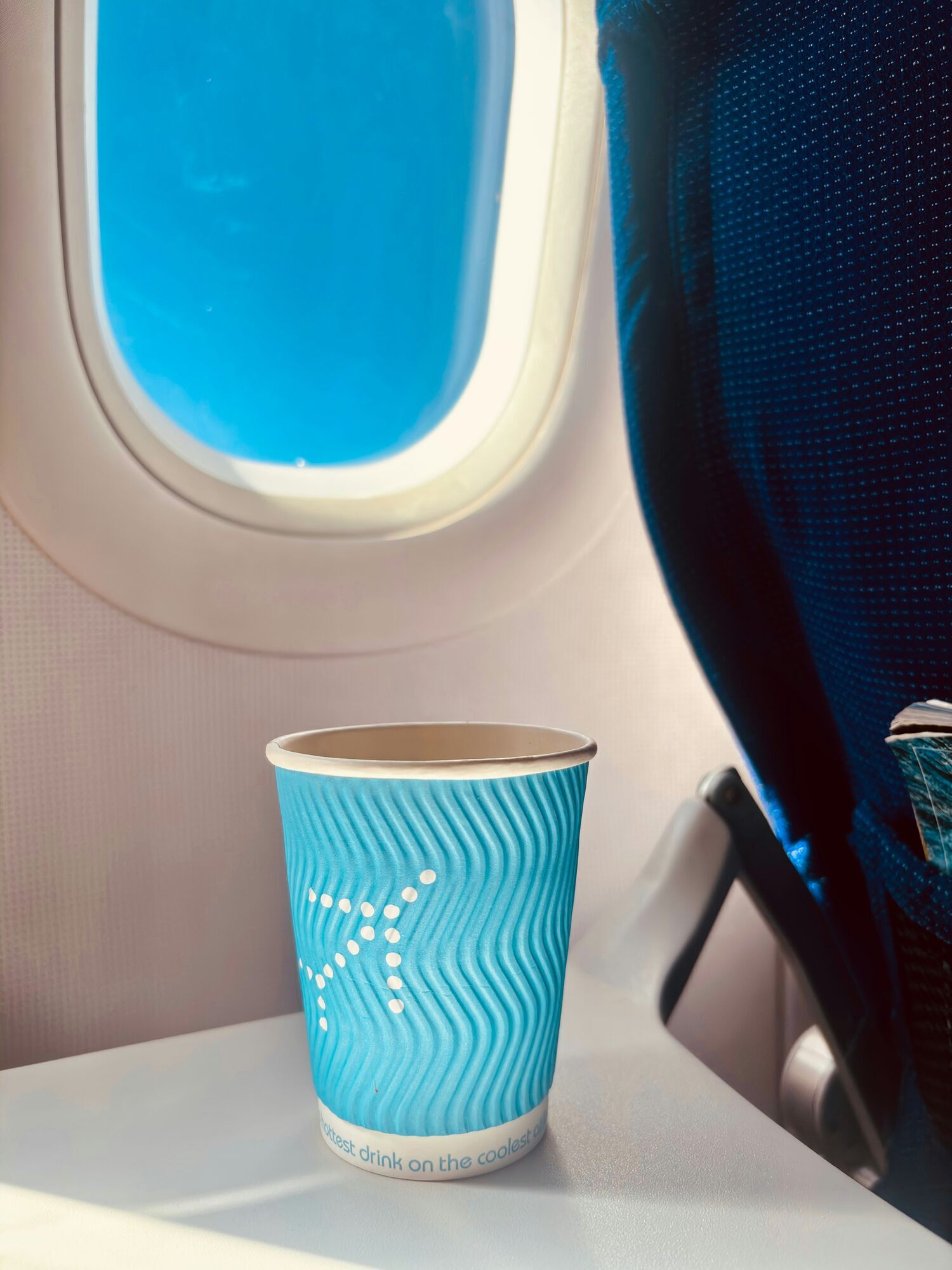
The study’s authors advise choosing sealed bottled water during flights instead of tap-filled cups, and avoiding tea or coffee prepared with galley water. Researchers also note that water tanks are rarely emptied and cleaned due to time pressure between arrivals and departures, meaning sediment can accumulate. The report tells people not to use tap water in aircraft toilets for washing hands and to use hand sanitiser instead.
The findings could change habits on long-haul flights, early departures and low-cost airlines where hot drinks are popular. Coffee and tea are standard for business travellers, and many families use tap water for washing and preparing bottles. The study adds a layer of caution to situations that feel routine, especially when time is tight and people are focused on getting settled rather than thinking about water tanks. If awareness grows, expect more passengers to pack sanitiser, favour bottled drinks and think twice before ordering hot beverages at altitude. Bottled water remains widely available on board, though often at a premium.
The study adds technical backing to warnings cabin crew have shared for years. Former and current flight attendants interviewed by travel media describe water tanks as difficult to access and rarely deep-cleaned. Airlines must disinfect and flush their water tanks four times a year, or do a full clean once a year with monthly tests. In practice, how well this is done depends on time and resources. Choosing sealed bottled water avoids guesswork, particularly when planes are turned around quickly or during busy holiday schedules.rtainty, especially during tight aircraft turnarounds and busy holiday periods.