Passport Checks That Could Stop Your Holiday
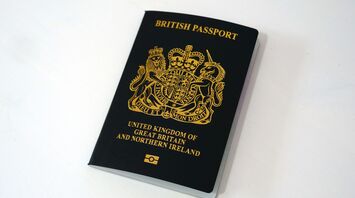
Five major airlines are reminding UK travellers to check passport rules before heading to the airport, as requirements differ by destination and carrier. The main risks include passports issued more than 10 years before the date of arrival, insufficient validity after the trip, damage or missing signatures, as well as relying on digital ID where a physical document is required. Missing a country-specific rule can still lead to denied boarding.
What to Check Before You Fly
- easyJet: Physical ID is required internationally; digital ID is for domestic flights only.
- Ryanair: A valid passport or national ID is accepted, not a driving licence or birth certificate.
- Jet2: EU rules require the 10-year and three-month checks; Turkey requires 150 days’ validity and a blank page.
- TUI: EU and Schengen rules follow the same checks; other countries may require six months’ validity.
- British Airways: Passports must meet destination rules and be signed where required; children need their own passports.

The biggest source of confusion for British passport holders remains travel to the EU and Schengen area. For Schengen travel, British passport holders need to check two dates: the passport must have been issued less than 10 years before arrival and must remain valid for at least three months after the planned departure date. Turkey follows a different rule: British visitors need at least 150 days of validity on arrival and at least one blank page in their passport.
easyJet requires travellers on international flights to carry the original physical passport or national ID card, as digital copies are not accepted. Ryanair also requires a valid passport or national identity card and does not accept a driving licence or birth certificate as travel ID. British Airways reminds families that children, including infants, need their own passports, while TUI and Jet2 advise checking destination-specific entry rules before departure.

Checking the document before booking can prevent a holiday ending at the departure gate. Anyone heading to Europe should compare both the issue and expiry dates, while destinations outside Schengen may require extra validity or blank pages. The safest approach is to check UK government advice for the exact country first, then confirm any additional document requirements imposed by the airline before travelling.