More Airlines Ban In-Flight Use of Power Banks
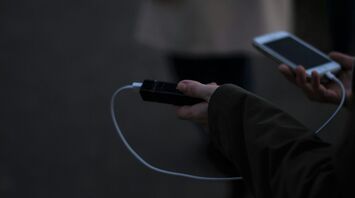
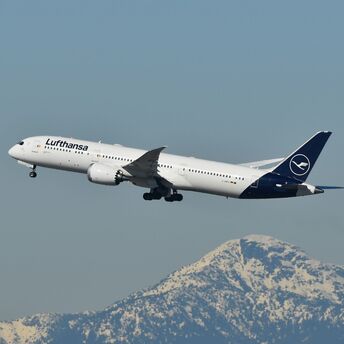
Lufthansa Group has introduced new limits on portable chargers, joining carriers such as Emirates, Qantas, Cathay Pacific and Singapore Airlines in tightening rules. From 15 January, Lufthansa, SWISS, Austrian, Brussels Airlines, Discover Airlines, Eurowings and ITA Airways allow a maximum of two power banks per person and prohibit using them in flight, including charging via onboard sockets. The policy follows safety discussions triggered by incidents involving damaged lithium-ion batteries.
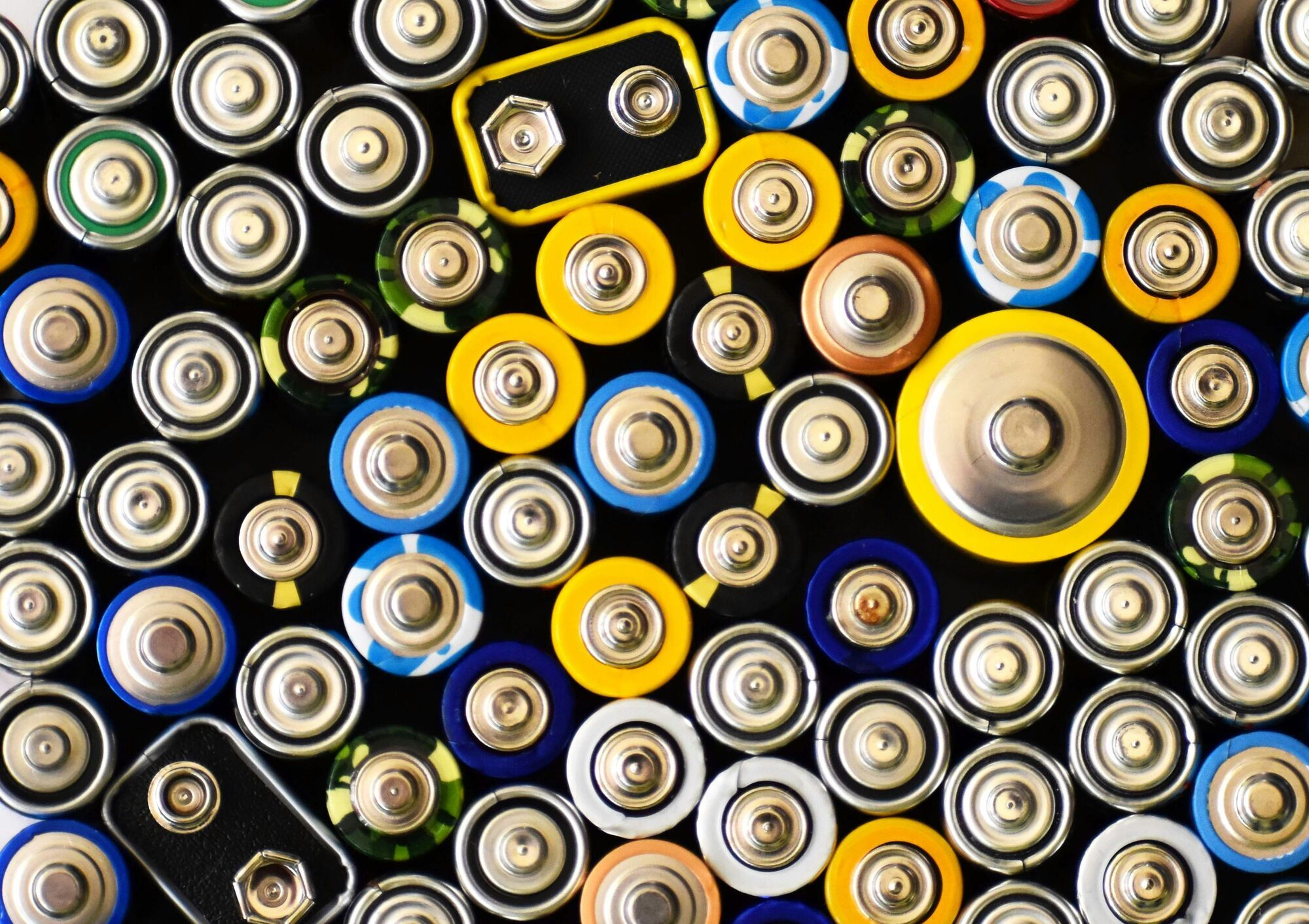
Power banks contain lithium-ion cells that can overheat or ignite if faulty, punctured or exposed to extreme temperatures. Industry bodies have long advised placing them in cabin luggage rather than checked bags, and to keep watt-hour ratings within strict limits. While major fires are uncommon, cabin crews are trained to handle battery events and unions have pushed for clearer rules to reduce mid-air disruptions and prevent smoke events in confined cabins.
The main issue with power banks is the lithium-ion batteries they contain, which, if damaged or faulty, can pose a fire hazard. A malfunctioning power bank can overheat, catch fire, or even explode, which is particularly dangerous in the confined space of an aircraft.
Key limits explained (carry-on only)
- Up to 100Wh: permitted without airline approval
- 100–160Wh: needs airline approval
- Above 160Wh: prohibited on commercial flights
- Checked luggage: power banks not allowed
- Usage onboard: increasingly banned on many airlines
Restrictions vary by carrier. Emirates and Qantas already forbid in-flight use, while some Asian and Middle Eastern airlines also block charging devices via seat power. Others cap total battery units or ask that large banks remain at the seat rather than in overhead bins. The tightening rules are linked to data from aviation safety groups that highlight lithium-battery incidents as a growing category of cabin call-outs.
The shift nudges habits around work, streaming and long-haul connections. Many rely on portable batteries during layovers or when seats lack power outlets. Cities with major hub airports such as Zurich, Rome, Istanbul and Paris now matter more for those needing pre-flight charging, with terminals investing in USB pillars, desks and phone lockers. Some hotels and cafés near airports also market charging access as part of their day-stay offers.
This trend hints at a slow normalisation of battery controls, similar to how liquids and laptops became standard checks after earlier security changes. Portable power is unlikely to disappear, but flyers will need to plan ahead, charge devices before boarding and check airline policies rather than assuming universal rules. The direction of travel is clear: fewer wires in the sky, more caution on the ground.