KLM Restores Regular Schedule After Severe Winter Disruption

KLM says flight schedules at Schiphol have returned to normal after days of cancellations caused by winter weather across the Netherlands and parts of Europe. The airline confirmed that by 08:45 on 12 January, operations were running to the regular timetable without weather-related delays. It marks a sharp turnaround after KLM cancelled hundreds of flights since Friday due to heavy snowfall, reduced runway capacity, and pressure on de-icing supplies.
In previous updates throughout the first week of January, the airline detailed the scale of the disruption and its response. On 6 January, KLM cancelled 600 flights in advance to prevent passengers from being stranded at Schiphol, and later warned that around 300,000 people had seen travel plans affected. To keep aircraft moving, the carrier arranged its own transport of de-icing fluid from Germany and temporarily suspended ticket sales to free up seats for rebookings.
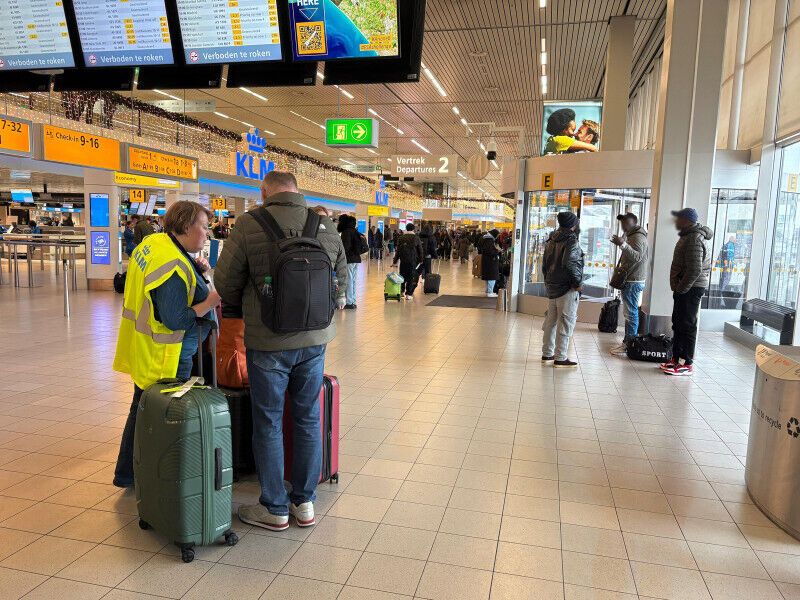
KLM also deployed larger aircraft on selected routes, including Berlin, Rome, and Copenhagen, to carry additional passengers and operated an extra flight to London Heathrow for those stranded at Schiphol. The airline reported full days of over 100,000 passengers on multiple occasions and said most affected customers had been rebooked by 10 January. With the weather improving by the weekend, KLM stopped cancelling flights for the next day and gradually restored normal operations.
Destinations Back in Reach
With Schiphol running to its regular timetable again, links to major European cities are back on track. Key routes including London, Paris, Berlin, Rome, Copenhagen, Stockholm and other Nordic cities are now running as planned again, without weather-related schedule changes. Travellers who had plans disrupted in recent days can pick up their arrangements and continue delayed trips more easily. Schiphol is one of Europe’s important transfer hubs, giving access to long-haul links towards North America, East Asia and Southern Africa, so reliable scheduling helps rebuild missed or postponed itineraries for both leisure and business travel.

KLM’s winter recovery highlights how quickly large hubs can stabilise once weather systems ease and logistics fall back into place. The disruption showed the pressure points of European aviation in winter, from runway capacity to de-icing supply, but also the scale of coordinated response when hundreds of thousands of journeys are at stake. With operations now steady, passengers planning January travel through Schiphol can expect a more predictable experience and fewer last-minute changes as winter continues.