Eurostar Prepares for 55C Summers
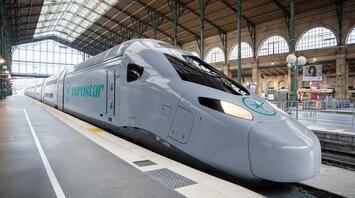
Eurostar is upgrading the air-conditioning specification for its future Celestia trains so they can operate in temperatures reaching 55C. The double-decker fleet was originally designed for conditions up to 45C, but recent heatwaves and repeated disruption across European rail networks have prompted a rethink. The trains are expected to remain in service well into the 2060s, making hotter summers part of the design brief.
What to Expect from Eurostar Celestia
- Manufacturer: Alstom
- First services: Expected in 2031
- Initial order: 30 trains
- Further option: Up to 20 more
- Maximum operating temperature: 55C
- Train type: Double-decker high-speed
- Length: 200 metres
- Seats: Around 540 per unit
- Capacity increase: About 20%
- Planned new destinations: Geneva and Frankfurt
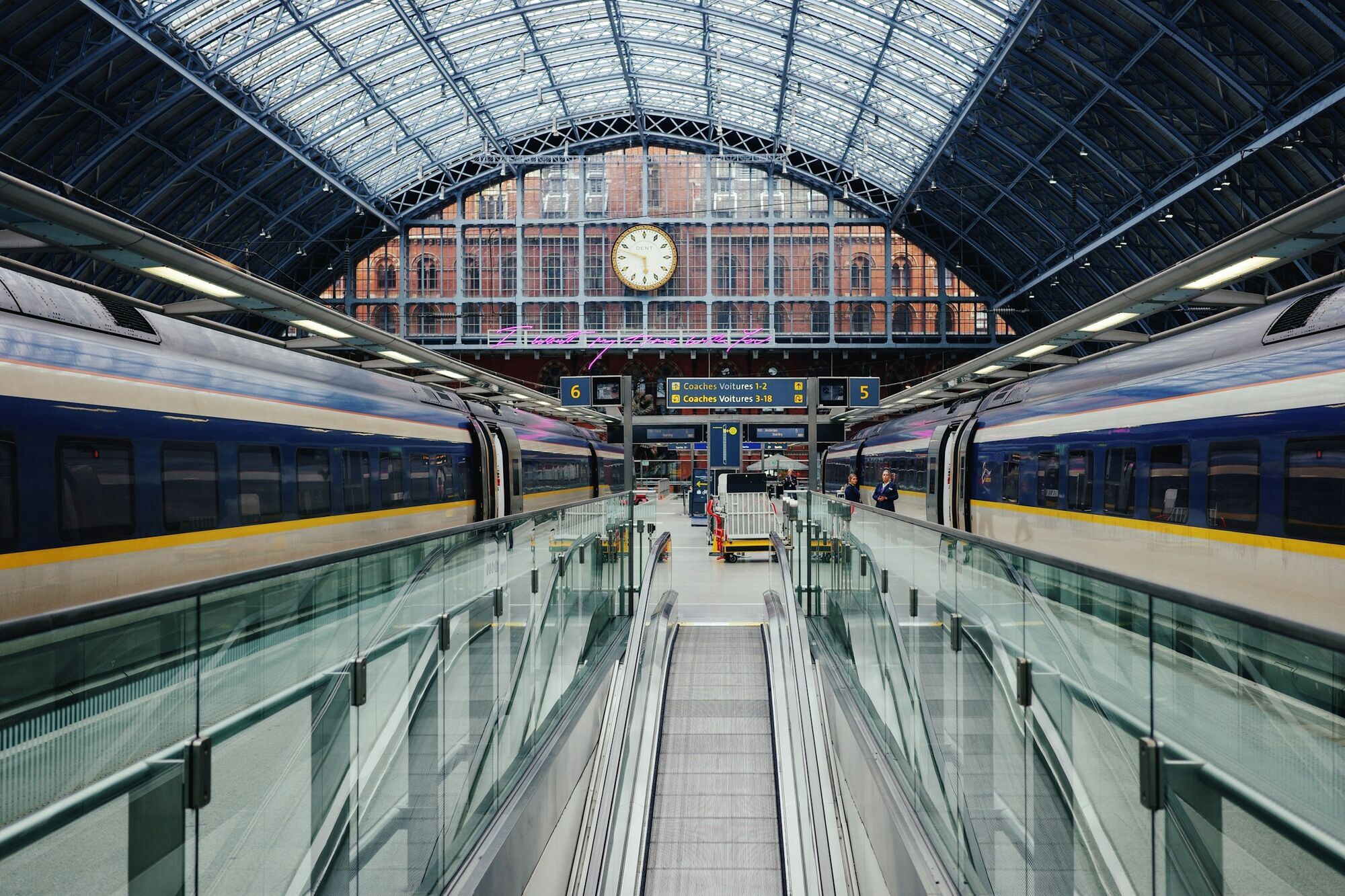
The higher heat tolerance will mainly involve changes to materials used in the air-conditioning equipment, while the rest of the Celestia design remains largely unchanged. The trains will be the first double-deckers to operate through the Channel Tunnel and on Britain’s rail network. Eurostar has ordered 30 units, with an option for 20 more, as it works towards carrying 30 million passengers annually.
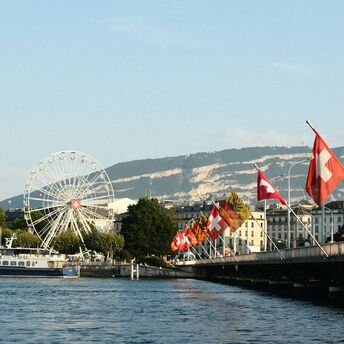
Each Celestia unit will provide around 540 seats, with two coupled trains able to carry more than 1,000 people. The extra capacity will support current services across the UK, France, Belgium, the Netherlands and Germany, alongside planned direct links to Geneva and Frankfurt. Those additions would give London passengers rail access to Switzerland and Germany without changing trains in Paris or Brussels.
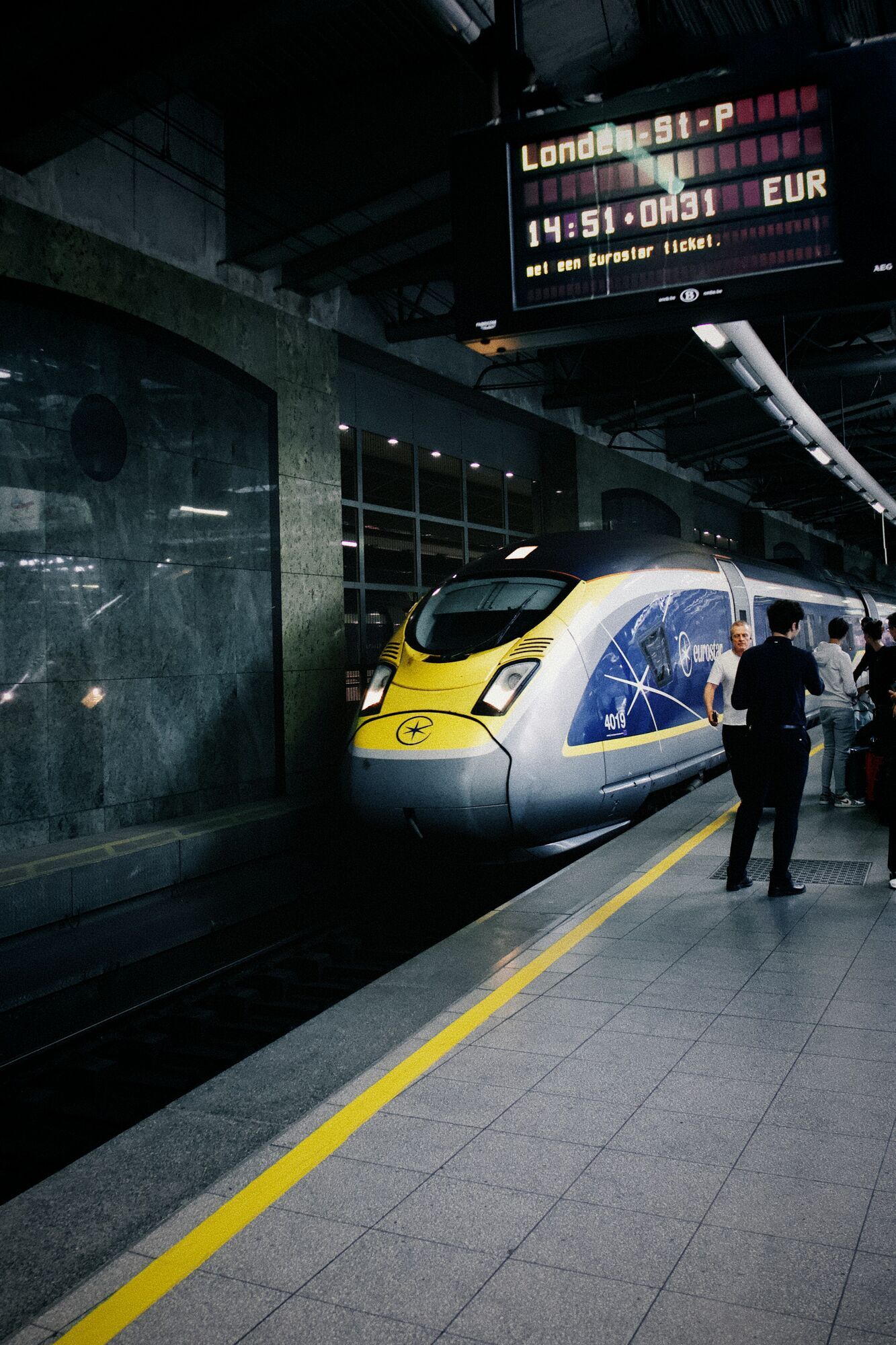
The upgrade is meant to reduce the risk of cancelled services, failed air conditioning and lengthy delays during severe heat. Four London–Paris trains were cancelled during hot weather in June, showing how quickly extreme temperatures can affect international journeys. Celestia will not solve every heat-related problem on the railway, but its stronger cooling systems should make onboard conditions and service reliability less vulnerable as European summers become harder on transport infrastructure.