Cruise Holidays Face Calls for a €15 Port Tax
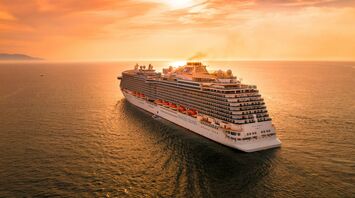
A new study by Transport & Environment argues that European cruise holidays receive lighter tax treatment than comparable hotel stays, despite their emissions and pressure on busy port destinations. The research examines France, Italy and Spain and says cruise lines benefit from rules designed for maritime transport rather than holiday accommodation. The group is asking governments to close the gap through new taxes and wider regulatory changes.
The €15 Proposal at a Glance
- Countries studied: France, Italy and Spain
- Study comparison: €100 hotel night and a similarly priced cruise night
- Average tax share: 23% for hotels and 12% for cruises
- Proposed levy: €15 per passenger, per port call
- Estimated annual revenue: €335 million across the three countries
- Who could pay: Cruise passengers if national governments adopt the proposal
- Current position: T&E recommendation, not an approved passenger charge
“Cruises are not a mode of transportation but the destination itself, yet we are giving them the same benefits as freight transport. Taxing cruise ships properly would help cities to tackle the pollution and to address concerns of overtourism."
Cruises are legally treated as maritime transport, allowing international itineraries to avoid direct VAT and fuel taxes that apply more widely to land-based tourism. T&E estimates that greenhouse gas emissions and air pollution linked to cruise operations in the three countries created external costs of between €790 million and €1.3 billion in 2025, well above the revenue collected through existing environmental policies.
If governments adopted the levy, the money could support coastal ecosystem protection and shore power at ports, allowing ships to switch off their engines while berthed. That could reduce pollution around waterfront districts and ease pressure on destinations handling large numbers of short-stay visitors. T&E also proposes limits on port calls in overcrowded areas, stronger efficiency rules and VAT treatment closer to that applied to hotels.
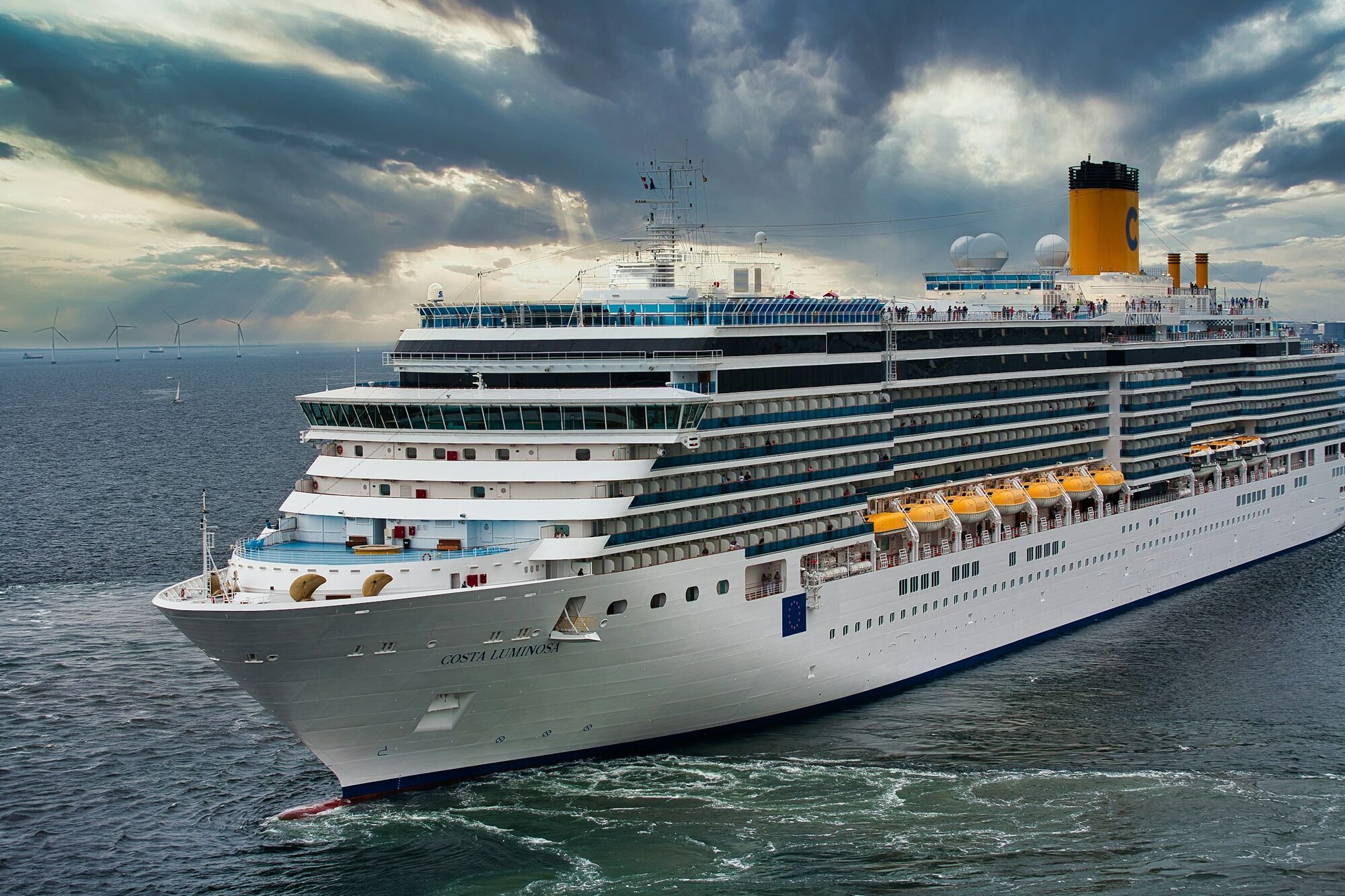
No new Europe-wide cruise charge has been approved, so passengers do not need to change existing bookings. The study does, however, put cruise pricing under closer scrutiny. A levy charged at every port call could raise the cost of multi-stop itineraries if operators pass it on, while caps on ship arrivals could reduce available sailings in the busiest destinations during peak periods.