Europe’s €20 Travel Permit Faces Another Delay
The EU’s long-awaited ETIAS travel authorisation could slip into 2027 as technical problems continue and border authorities deal with disruption linked to the Entry/Exit System. Reports suggest eu-LISA has discussed a later launch, although no postponement has been confirmed. The European Commission still lists the final quarter of 2026 as the official start window, and travellers do not need to apply yet.
What Travellers Need to Know About ETIAS
- Current official launch window: Final quarter of 2026
- Possible delay: Not officially confirmed
- Application fee: €20
- Who will need it: Visa-exempt visitors to 30 European countries
- Stay allowed: Up to 90 days in any 180-day period
- Validity: Three years or until the passport expires
- Action required now: None
“Obviously, as with any large-scale IT system, many factors come into play when deciding when to launch it.. Once all conditions are in place, the Commission will set a date for the start of the system."
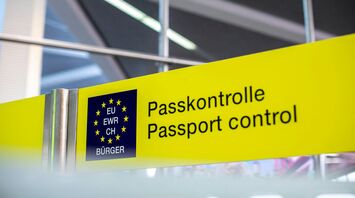
ETIAS will be separate from the Entry/Exit System, which became fully operational across the Schengen area in April. EES records passport details, facial images and fingerprints at external borders, while ETIAS will require eligible visitors to obtain online approval before travelling. The reported delay reflects concerns that adding another system before EES problems are settled could place more pressure on border processing.
Once introduced, ETIAS will affect visa-free visitors travelling to countries including France, Spain, Italy, Greece, Germany and Portugal. Airlines and other international carriers will check that eligible customers hold valid authorisation before departure. Applications will be available only through the official website and mobile app, with exemptions from the fee for travellers under 18, over 70 and some family members of EU citizens.
Anyone planning a European trip later in 2026 should avoid unofficial application sites and wait for a confirmed start date. The EU says it will announce the launch several months in advance, so there is no reason to pay or register now. A delay would keep current visa-free arrangements in place for longer, but travellers will still encounter EES biometric checks when crossing participating external borders.