Europe’s Heat Fuels a Coolcation Boom

Europe’s recurring summer heatwaves are changing where some travellers look for their main holiday, with cooler northern cities, coastal regions and mountain areas gaining attention. Sweden, Norway, Finland, Denmark and Ireland are benefiting, while northern parts of Spain, Italy and France are also drawing interest. The trend, known as a coolcation, has accelerated in 2026 as temperatures in southern Europe approach 40°C.
Where Coolcation Demand Is Rising
- Trend: Cooler cities, coasts and mountain areas
- Nordic interest: Sweden, Norway, Finland, Denmark and Ireland
- Other rising regions: Galicia, Trentino-Alto Adige, Normandy and Alsace
- French hotel searches: Copenhagen up 246%; Dublin up 151%
- Fora Travel booking growth: Oslo up 154%; Helsinki up 124% year on year
- Long-term outlook: Southern Europe remains the larger summer market
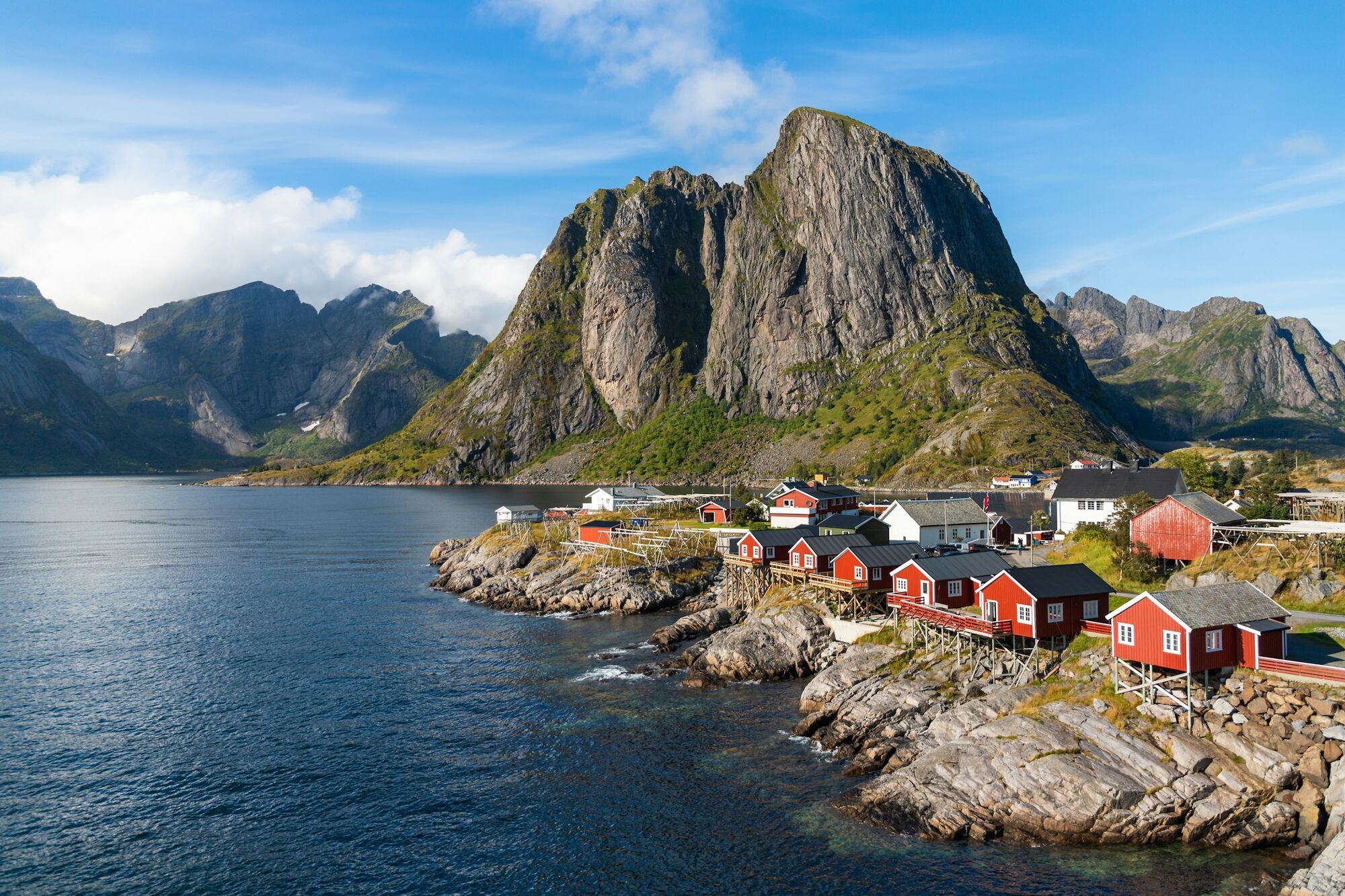
Visitors in southern Sweden have described choosing the region for daytime temperatures below 30°C, sea breezes and smaller crowds than many southern resorts. French mountain destinations are also seeing stronger summer interest because evenings cool more noticeably at higher altitude. Tourism experts remain cautious, noting that price, air links, safety, exchange rates and established infrastructure still influence bookings as much as weather.
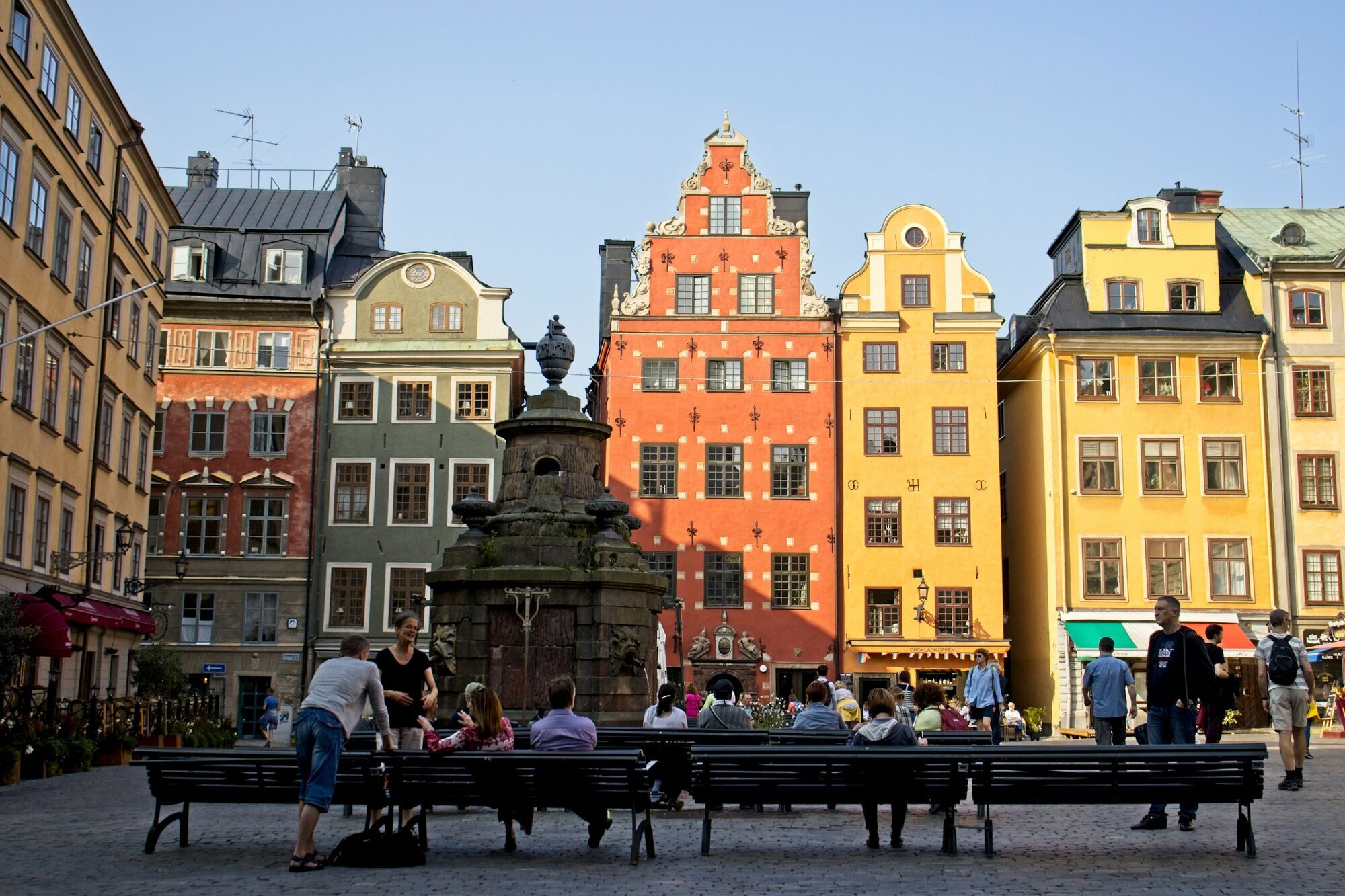
The shift brings less obvious summer options into view, including Stockholm’s Old Town, Dublin’s coast and museums, fjord trips in Norway’s Vestland region and hiking in Trentino. Galicia, Normandy and Alsace offer food, heritage and outdoor trips without relying on extreme heat. These places suit travellers who still want a full sightseeing holiday rather than simply replacing one beach with another.
Coolcations are not replacing Mediterranean holidays, but they are changing the summer calendar. More people are looking at Scandinavia, Ireland and mountain regions for July and August, while Spain, Italy and Greece may attract more visitors in spring and autumn. Price, flight choice and familiar resorts will keep southern Europe popular, but extreme heat is giving cooler destinations a stronger place in peak-season travel plans.