EES Border Checks Could Be Easier for Disabled Travellers
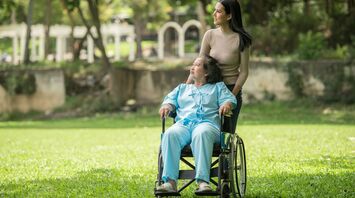
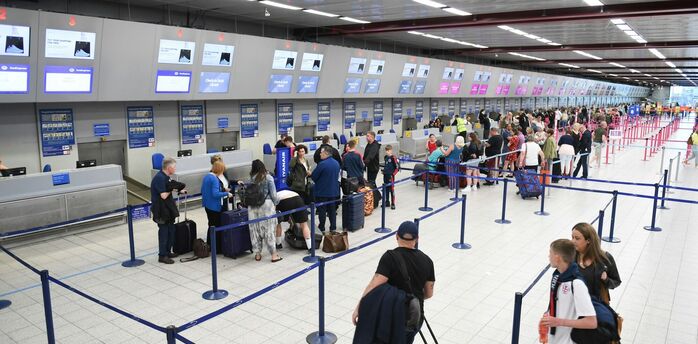
The EU Entry/Exit System requires many non-EU visitors to provide a facial image and fingerprints when crossing an external Schengen border. Longer queues can be particularly difficult for people with reduced mobility, temporary injuries, age-related needs or non-visible disabilities. Assistance remains available, but the type of support varies between airports, so travellers should arrange it before departure and check how biometric registration will be handled.
What to Know Before Travelling
- Who is affected: Non-EU nationals entering the Schengen Area for short stays
- Biometric checks: Passport details, facial image and fingerprints
- Request assistance: Contact your airline or airport before travelling
- Spanish airports: Assistance should normally be booked at least 48 hours in advance
- If fingerprints cannot be taken: A temporary or permanent exemption may apply
- Hidden disabilities: Some airports recognise the Hidden Disabilities Sunflower scheme
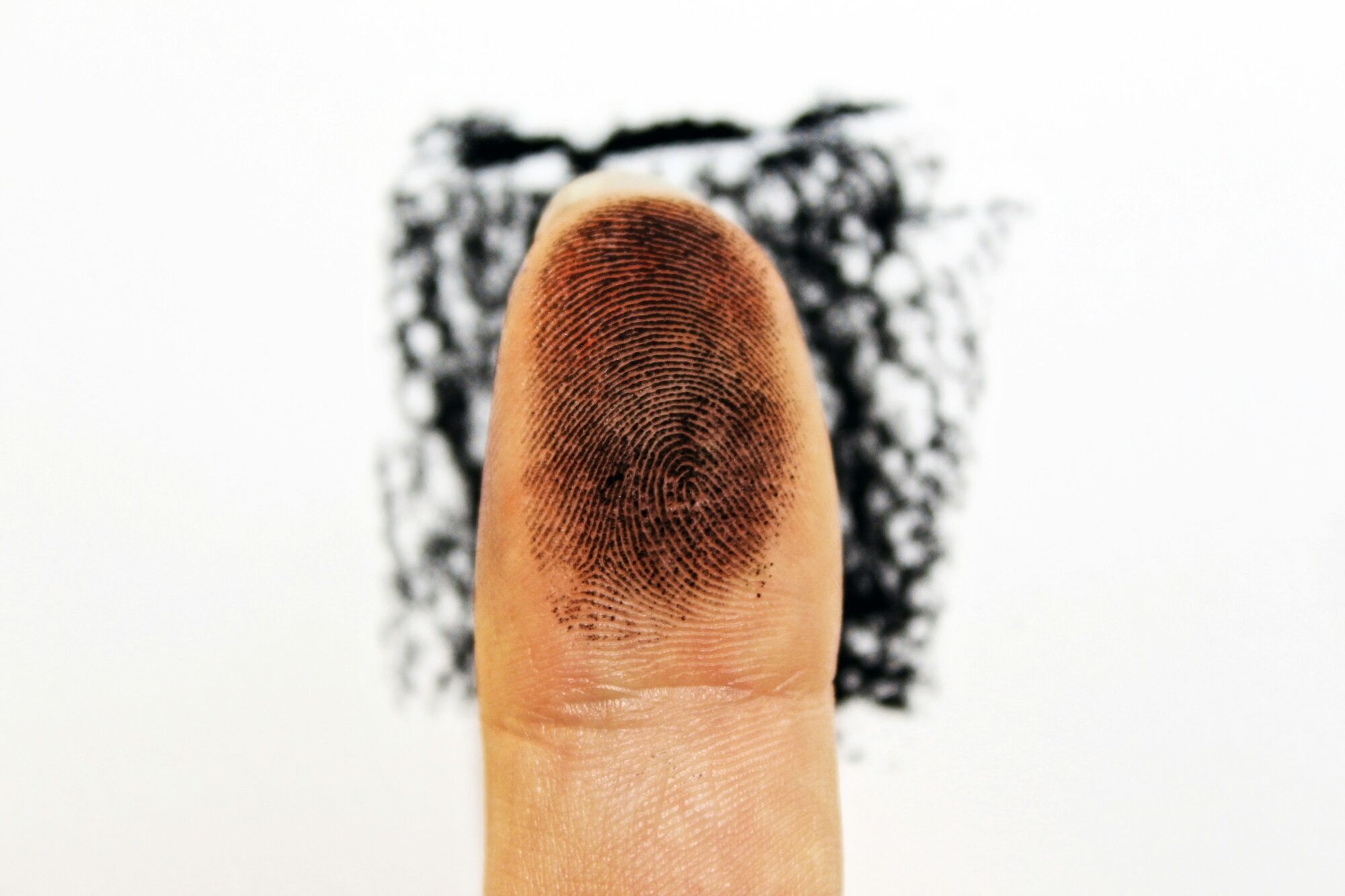
Accessibility arrangements are not identical across the Schengen Area, so travellers should check what their arrival airport offers before flying. Depending on the location, support may include accessible kiosks, dedicated assistance lanes, manual registration or staff guidance throughout the EES process. Amsterdam Schiphol, Madrid-Barajas and Barcelona-El Prat are among the airports that have already confirmed these measures, although other airports may organise assistance differently.
The EU also requires border checks to remain accessible for people with temporary injuries, permanent disabilities, older travellers and those with limited digital skills. If fingerprint collection is physically impossible, border officers may complete the registration manually or postpone fingerprint enrolment until a later Schengen crossing. Travellers with non-visible disabilities may also be eligible for additional assistance where airports participate in schemes such as the Hidden Disabilities Sunflower programme.
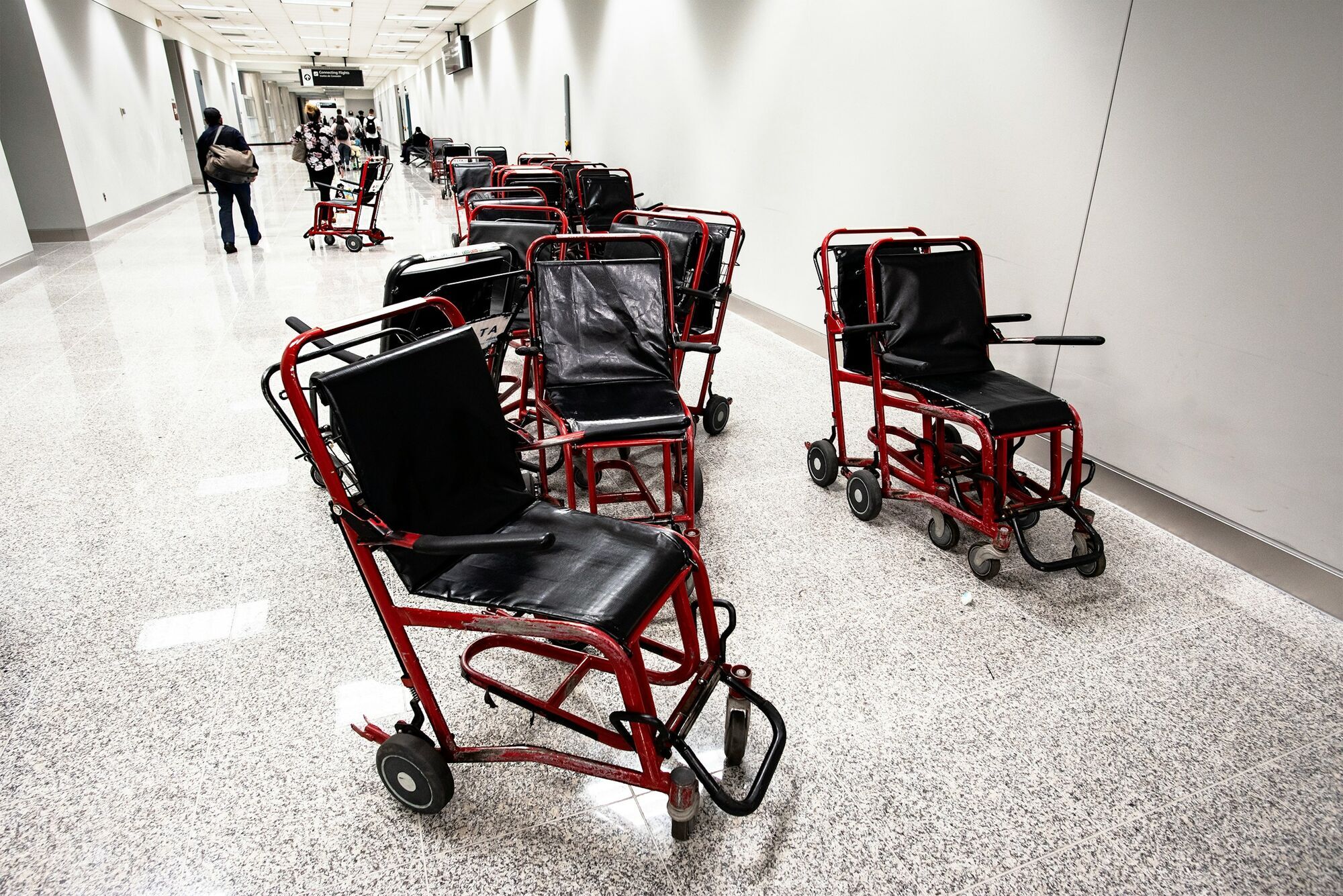
Longer border queues are likely to remain part of European travel while airports continue adapting to EES. Booking assistance before departure, allowing extra time and checking the procedures at the airport of arrival can make the first biometric registration less stressful. Although the process is now the same across participating Schengen countries, the way support is delivered can vary, making preparation just as important as having the right travel documents.