Swiss Chocolate Museum Expands With New Immersive Experiences
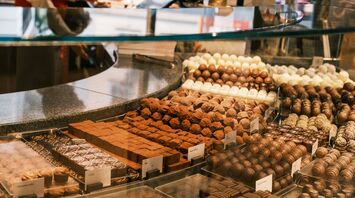
Maison Cailler in Broc, home to Switzerland’s oldest chocolate brand, has announced plans to enlarge its visitor site with several new spaces focused on how chocolate is made and its historical background. The project, valued at around CHF400 million (£379 million), could begin construction in 2026, with an opening planned for 2030. The expansion is intended to turn the current museum visit into a longer and more varied experience.
Among the planned additions are Cocoa Bean Greenhouses where real cacao trees will be grown, allowing visitors to observe how chocolate ingredients develop before processing. The existing Atelier du Chocolat workshop will be enlarged to meet rising interest in hands-on activities. Historic factory sections dating back to 1898 are also being restored and will open to the public as themed exhibition areas focused on traditional chocolate-making methods.
“We want to showcase the expertise, tradition, and heritage. “From the moment they enter, visitors will be immersed in chocolate; they can taste it and watch it being crafted by master chocolatiers."
Key additions planned for the site
- Cocoa Bean Greenhouses with real cacao trees
- Expanded Atelier du Chocolat workshop
- Emporium tasting hall and retail space
- Flying theatre presenting virtual journeys across Switzerland
- Restored historic factory areas from 1898
- New gondola connection and planned hotels
The redesigned complex could increase the total visit duration from around one hour to up to six hours, reflecting the wider range of exhibitions and activities. Organisers expect annual visitor numbers to grow from approximately 500,000 to as many as 1.2 million. The concept focuses on presenting the craft, history and cultural role of chocolate rather than developing a traditional amusement park environment.
Broc is in the Gruyère region, known for mountain scenery, small villages and the medieval town of Gruyères nearby. Many visitors combine a stop at Maison Cailler with time in the surrounding countryside, local restaurants and walking paths in the Alpine foothills. New hotels and improved access may make it easier to stay in the area longer instead of visiting only for a short trip.

The project reflects continued interest in destinations that combine food heritage with interactive exhibitions. Expanding the site may position the museum as a longer-stop destination rather than a short visit, encouraging more structured travel planning around regional experiences. Projects like this show how long-established chocolate producers are updating historic sites so visitors can spend more time there, while the original production story and traditional methods remain part of the experience.