Soldiers Deployed at Lisbon Airport After EU Finds Serious Border Control Failures
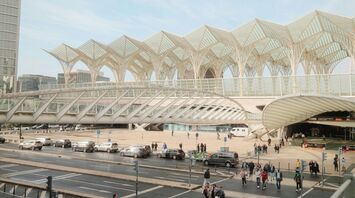
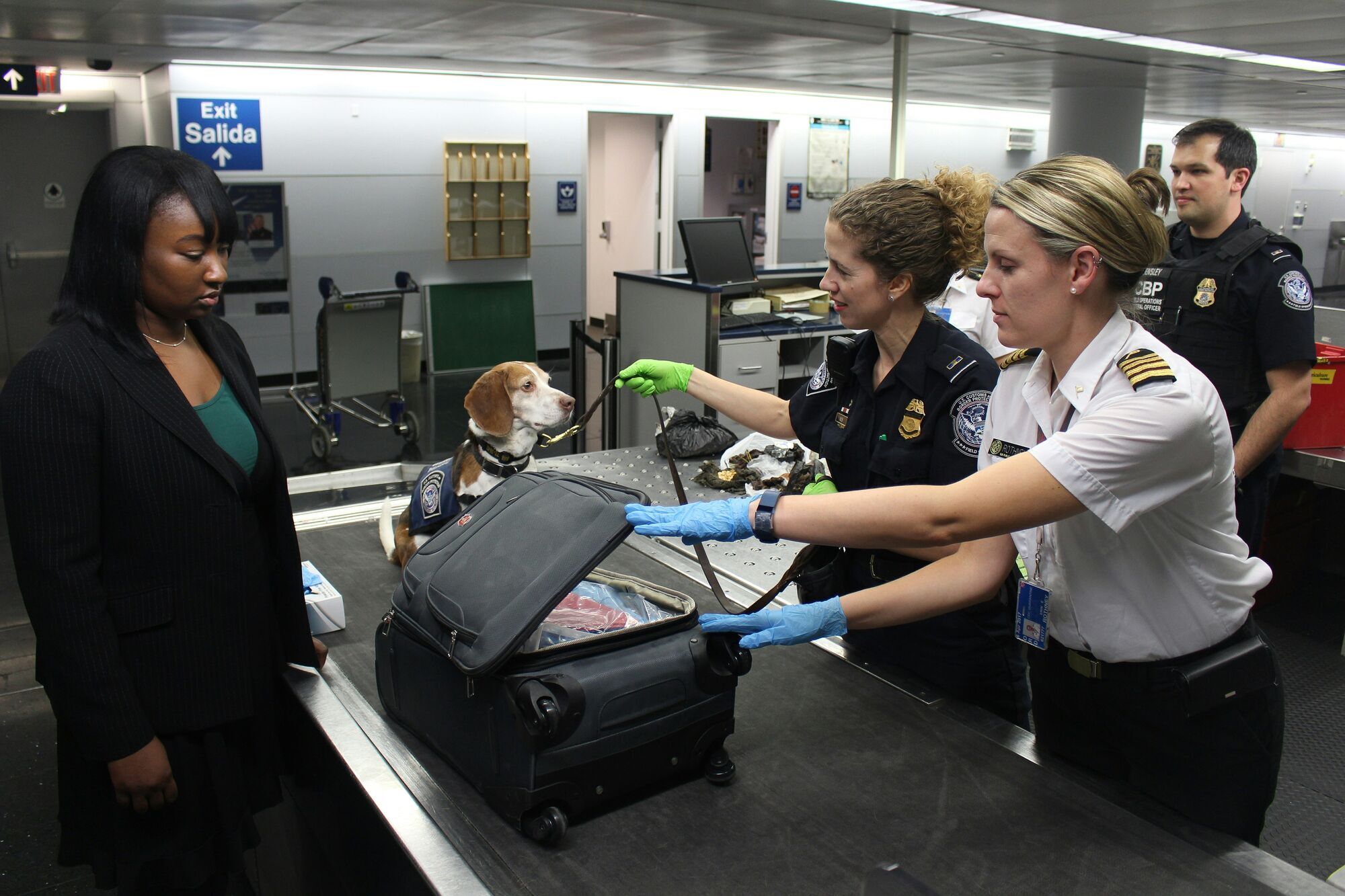
Queues and security concerns at Lisbon’s Humberto Delgado Airport have led the Portuguese government to call in National Republican Guard (GNR) soldiers to help with border checks. Twenty-four GNR members have been posted in the arrivals area, focusing on document control for incoming travellers. Their deployment follows a busy Christmas and New Year period, when eighty Public Security Police (PSP) officers were already added to deal with long waits.
According to GNR spokesperson Carlos Catanário, the soldiers have certified training in border control and recently completed two days of administrative instruction with the PSP, the Civil Aviation Authority and airport operator ANA. They work in flexible shifts made up of teams of ten plus a supervisor. The aim is to stabilise checks at Portugal’s busiest airport while authorities address staff shortages and space limitations at passport control.

Measures recently taken at Lisbon Airport
- 24 GNR soldiers deployed to arrivals for checks
- 80 PSP officers assigned during the holiday period
- European Entry/Exit System (EES) suspended for three months
- EU warns of "serious deficiencies" in border control
The suspension of the EES rollout was approved last month to avoid longer queues for non-EU arrivals during busy travel periods.
An unannounced inspection by the European Commission between 15 and 17 December reported serious flaws in Lisbon’s border-control procedures. According to national media, inspectors found problems in first- and second-line checks, queues stretching to as long as seven hours, and simplified controls introduced without notifying Brussels. Portugal’s Interior Minister later admitted in Parliament that planning mistakes, staffing gaps and limited space had all contributed to the problems at Humberto Delgado Airport.
Portugal can also be reached through other airports and onward transport routes. Porto and Faro airports offer access to wine regions, historic centres and the Algarve coast, while the rail network links Lisbon with cities such as Braga, Guimarães, Coimbra and Évora. For many visitors, that means a trip can still include Lisbon’s museums, riverfront districts and viewpoints even if they choose to arrive or depart via another airport.