Ryanair to Pull Back in Belgium After Higher Passenger Taxes Announced
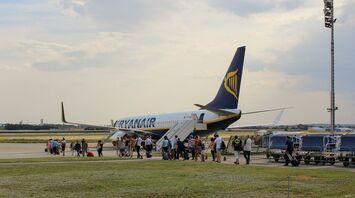
Ryanair says it will scale back operations at Brussels Airport and Charleroi for the winter 2026/27 season after the Belgian government confirmed plans to double the national aviation tax to €10 per departing passenger from 2027. In Charleroi, a further proposal to introduce an extra €3 per departing passenger from next year has added to the pressure. According to the airline, these rising charges will lead to a cut of one million seats, five based aircraft, and 20 routes in Belgium.
The airline argues that the latest increase follows a sharp rise already applied in July, leaving Belgium at a clear disadvantage compared with other European markets. Countries such as Sweden, Hungary, Italy, and Slovakia have recently moved to reduce or abolish aviation taxes to encourage traffic growth. Ryanair has written to several senior Belgian officials urging them to reverse the decision, warning that higher taxes could push customers towards neighbouring countries with lower fees.
“The De Wever Govt has bizarrely decided to further increase Belgium’s already sky-high aviation tax by another +100% from Jan 2027, on top of the +150% in July last. These repeated increases to this harmful aviation tax make Belgium completely uncompetitive compared to the many other EU countries, like Sweden, Hungary, Italy, and Slovakia, where Govts are abolishing aviation taxes to drive traffic, tourism, and jobs."
Ryanair’s planned reductions include scaling back investment at Charleroi and removing a number of winter routes from both Brussels and Charleroi. The airline says thousands of jobs linked to airport activity could be affected if the higher charges go ahead. It also noted that if Charleroi introduces its additional €3 fee next year, further cuts may start as early as April 2026, reducing flights, routes, and based aircraft, with clear consequences for local employment and visitor numbers.
For those planning short breaks or city-to-city trips through Belgium during the coming winter seasons, a reduced number of flights may influence how easily they can connect via Brussels or Charleroi. Popular destinations that normally rely on regular low-cost services, particularly in southern Europe and North Africa, could offer fewer options. Some passengers may begin looking at airports in the Netherlands, Germany, or northern France when comparing prices and timetables.
The situation shows how quickly higher charges can reshape air links in the region. If the new rates stay in place, passengers may face higher fares or fewer direct flights during busy travel periods. Should talks move forward, some services might still return. For now, anyone planning trips through Brussels or Charleroi in late 2026 or early 2027 may want to keep an eye on timetable changes and check alternatives at nearby airports.