Ryanair Calls Out OTAs for Inflated Fees in New Price Survey
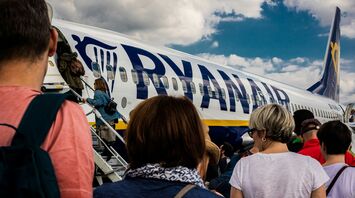
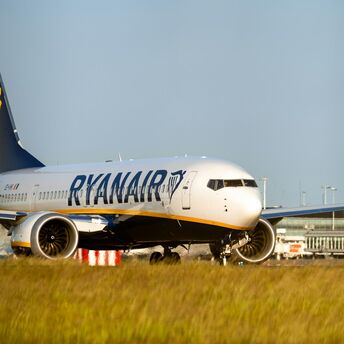
Ryanair has published the January edition of its OTA surcharge survey, highlighting price mark-ups applied by online travel agencies such as eDreams, Vola and Tryp. The airline claims these platforms continue to charge consumers significantly higher prices than those listed directly on Ryanair’s website, without having distribution agreements in place. The carrier argues that these surcharges mislead customers and distort the perception of its pricing, which is positioned around low fares.
The survey cites examples from the January check: eDreams listing reserved seating for €14.18 when the same item costs €4.06 on Ryanair.com, while Vola offered a 10kg cabin bag for €25.00 instead of €14.99 on the airline’s website. Ryanair says such price differences reflect a commercial model where certain OTAs add margin by reselling ancillary products, rather than matching the airline’s public tariffs.
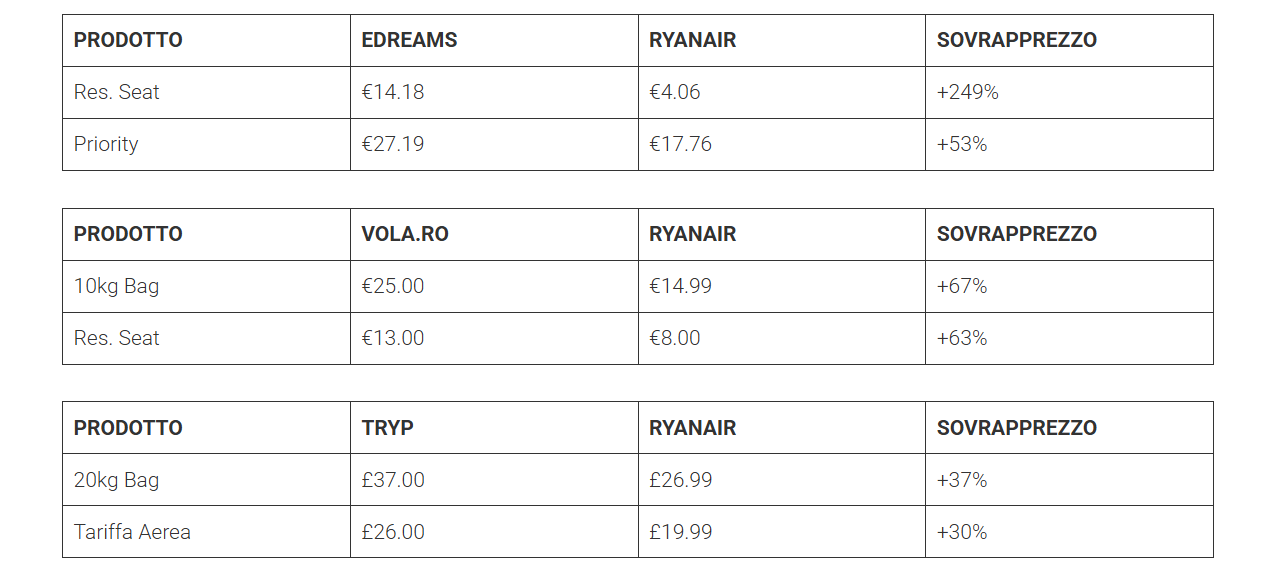
In its statement, Ryanair reiterated calls for European governments and national consumer protection authorities to intervene. It singled out Spain’s Consumers Minister, Pablo Bustinduy, criticising what it perceives as a lack of action to safeguard Spanish buyers from overpriced OTA sales. The Irish carrier is asking regulators to enforce mandatory transparency rules requiring OTAs to display final, accurate pricing consistent with "approved OTA partner" practices, which Ryanair says already meet transparency standards.
Where this lands for travellers
- Official Ryanair channels list the lowest fares and ancillaries
- Unapproved OTAs may display higher fees for bags and seats
- National authorities may review pricing transparency practices
The issue touches on an area familiar to many European leisure travellers: how and where to book the same flight can alter the final price. Ryanair operates mainly as a point-to-point budget carrier, linking holiday destinations, regional airports and city pairs that support short-break traffic. For people planning summer trips, ski weekends or family visits, clarity on fees helps maintain predictable travel budgets, especially when bags, seat selection or airport transfers are involved.
Looking ahead, regulatory outcomes matter because online booking behaviour continues to evolve. Many travellers use comparison platforms to scan multiple airlines at once, while low-fare carriers prefer direct sales to keep costs down. If regulators take a closer look at OTA pricing, the result could be clearer breakdowns and fewer surprises at checkout. Until then, the January survey underlines a simple takeaway: double-checking prices across booking channels can avoid paying more than necessary.