Barcelona Stay Gets Pricier As Tourist Tax Doubles
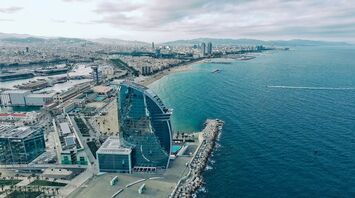
Barcelona is introducing one of Europe’s highest visitor taxes after local authorities approved a sharp increase aimed at easing pressure linked to mass tourism. The city has struggled with overcrowding for years, and officials now hope higher accommodation charges will help manage visitor numbers while supporting local priorities. The revised policy places Barcelona among the most expensive European destinations in terms of nightly tourist levies.
The Catalonia parliament approved raising the tourist tax on holiday rentals to €12.50 per night, double the previous rate. Hotel guests will pay between €10 and €15 per person per night depending on property category, with five-star stays carrying the highest charge. The new rates are expected to apply from April. Cruise passengers remain subject to the existing €6 city tax without changes.
“One day they will kill the goose that lays the golden eggs."
Local authorities confirmed that part of the revenue will support affordable housing projects, reflecting ongoing concern about rising rents and the growth of short-term rentals. Barcelona previously announced plans to phase out tourist apartment licences by 2028. Hotel representatives have criticised the sudden increase, arguing that gradual adjustments would have allowed businesses to assess economic effects before introducing higher visitor costs.
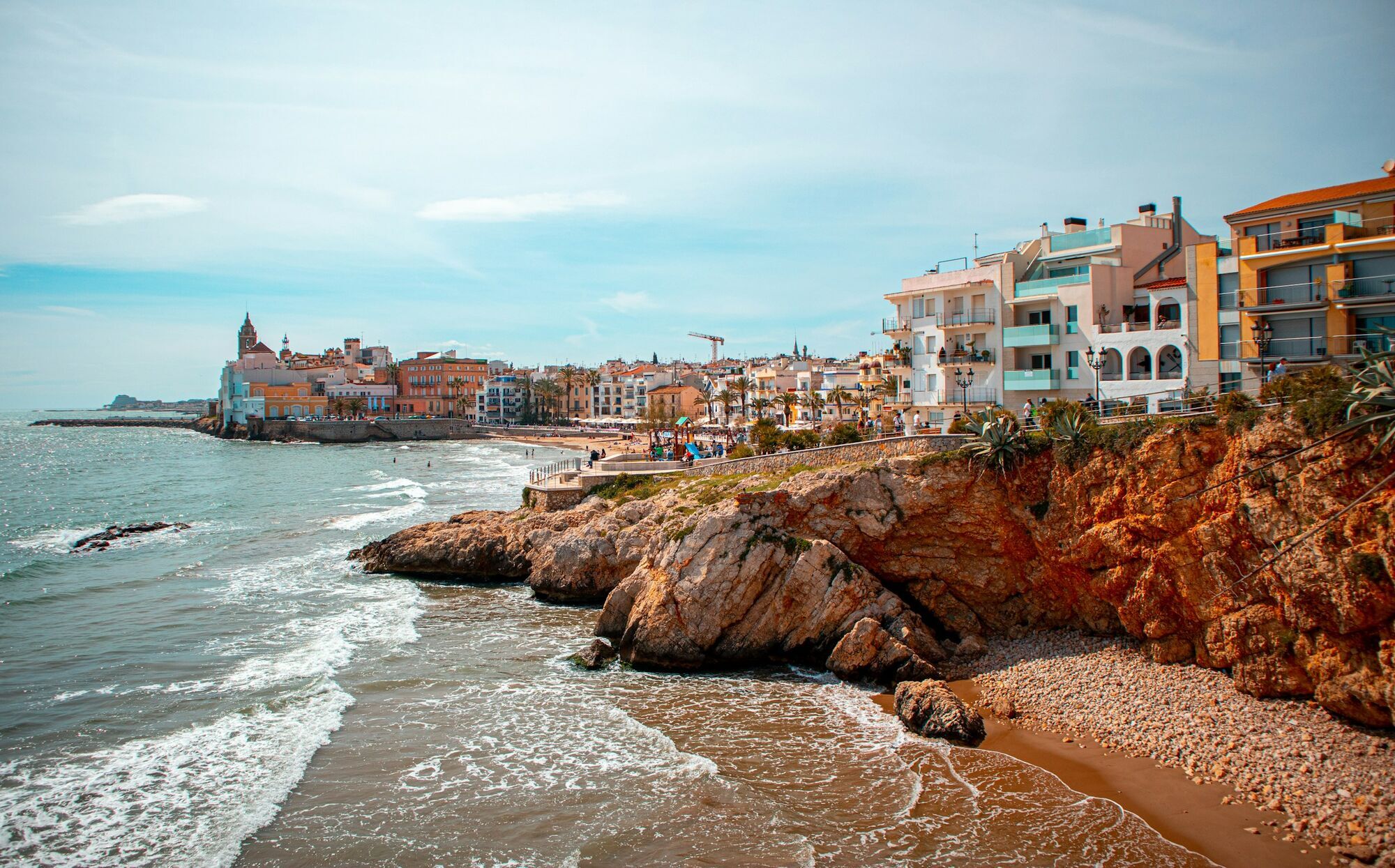
Higher accommodation taxes may push some visitors to stay outside central Barcelona when planning trips around Catalonia. Coastal spots such as Sitges or Tarragona, along with smaller inland cities linked by regional trains, may become more practical bases. Some visitors are already considering spring or autumn trips instead of travelling during Barcelona’s busiest summer weeks.
Many European cities are now adjusting tourism policies as they try to balance visitor income with everyday life for residents. Spain continues to attract large numbers of visitors, but trip planning increasingly involves checking local charges added after booking. Anyone organising a city break may need to include municipal taxes in their budget early on, rather than treating them as small payments settled at the hotel.