Renovation and Repositioning Planned for Mangala Estate Kuantan in Pahang

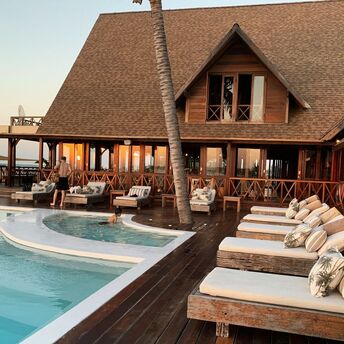
IHG Hotels & Resorts confirmed that Mangala Estate Kuantan is set to be added to the Vignette Collection after renovation works are finished. Located in the state of Pahang in Malaysia, the hotel comprises 67 villas and is preparing to transition to the new brand in 2027. This decision reflects how global hotel operators are increasingly focusing on new destinations where stable domestic tourist flows encourage prudent investment and gradual portfolio growth.
Visitor activity in Kuantan remained strong during 2024, prompting tourism operators to take another look at how the region might develop in the coming years. Integrating the estate into IHG’s Luxury and Lifestyle category allows the company to bring its operations in line with brand expectations while keeping the property’s original spatial structure intact. This kind of update fits a broader trend in the sector, where existing hotels are modernised over time to keep up with changing traveller preferences, instead of building new properties in places that already attract visitors.
Beaches and shoreline areas near the estate attract a steady stream of people who look for natural spaces that don’t require long travel or planning. Balok Beach is known for steady coastal winds that allow for sports like windsurfing and similar activities, and this keeps both residents and travellers returning throughout the year. Further south, Teluk Cempedak provides shoreline paths, open viewing points and forest linked walking routes used by those seeking low intensity recreational options. These established public spaces contribute to the area’s steady visitor flow and support diversified trip planning.
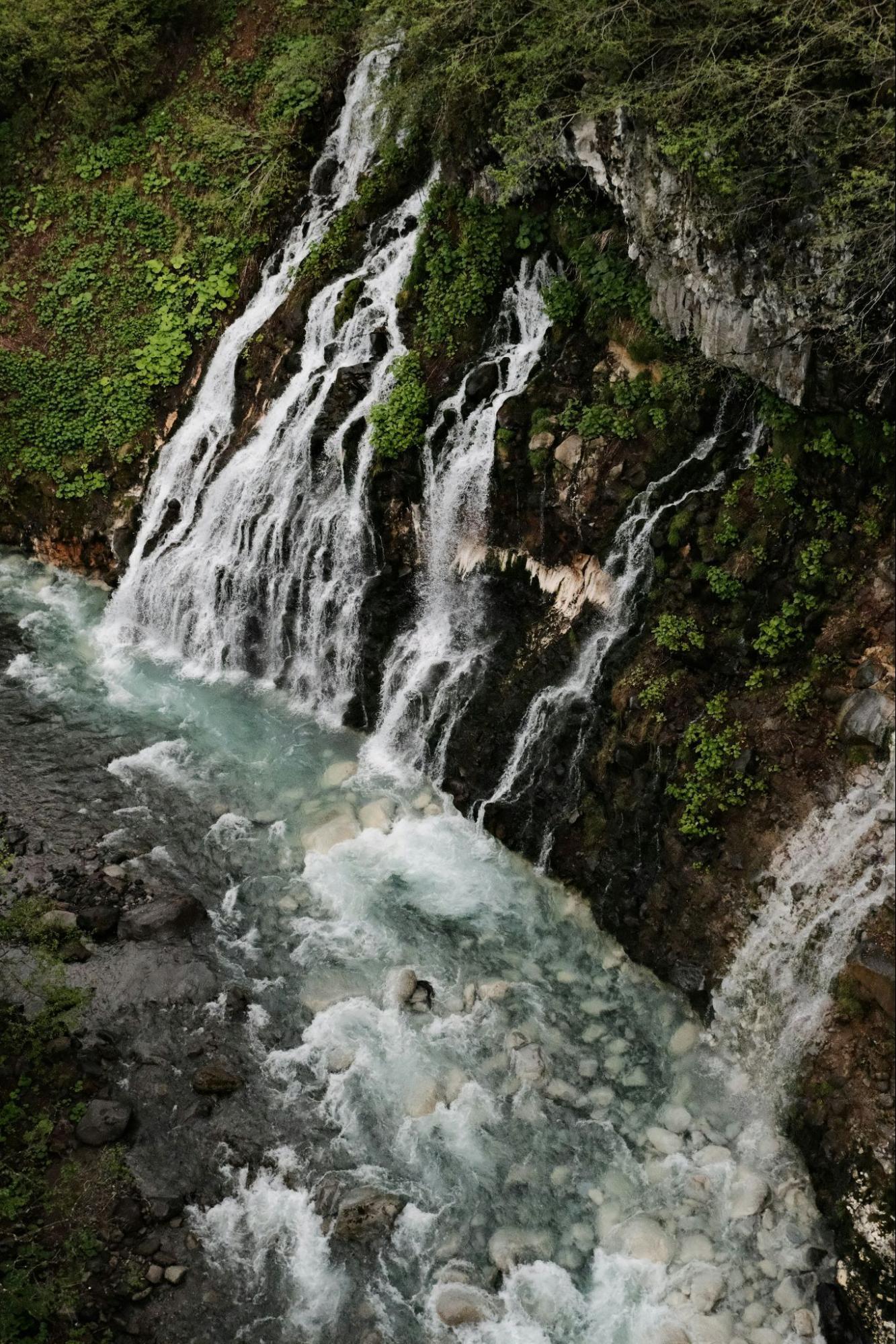
Inland locations complement the coastal sites by offering different types of nature based activities. Surrounding landscapes include lakes, plantations and light forest zones that allow for unstructured movement and wildlife observation. Sungai Pandan Waterfall, situated within a short driving distance, remains a routine stop for day visitors. Together, these environments broaden the appeal of the region, enabling travellers to combine multiple outdoor settings within a compact geographic area.
The estate’s future transition highlights ongoing adjustments in how regional destinations evolve under global hotel management. The introduction of a recognised brand may increase operational consistency and diversify available lodging formats. At the same time, it signals intensifying competition between operators attempting to strengthen positions in established tourism corridors. These shifts will likely influence future development decisions and shape how visitors engage with Malaysia’s east coast.