Pilot Removed from Air India Flight After Failing Alcohol Checks
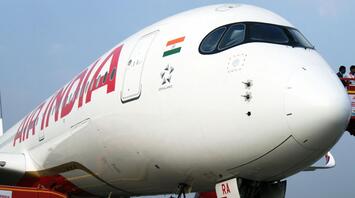
Canadian authorities are probing an incident in which an Air India pilot was removed from flight duty at Vancouver International Airport after failing breathalyser tests that indicated alcohol consumption, according to transport regulators. Transport Canada has described the matter as serious and has formally asked the airline to investigate and report back with findings and steps to stop similar events occurring in future. The flight to Delhi was delayed until a replacement crew member could be found.
The pilot in question has been taken off flying duties while the inquiry continues. Canadian rules prohibit crew from operating an aircraft within 12 hours of consuming alcoholic beverages or while under the influence. Air India said an alternate pilot operated the delayed flight and stressed its zero-tolerance stance on breaches of regulatory fitness standards. The airline has been under heightened scrutiny since a fatal Dreamliner crash in June and regulatory warnings over safety practices.
The pilot has been taken off flying duties during the process of enquiry. Air India maintains a zero-tolerance policy towards any violation of applicable rules and regulations.
Similar checks and crew removals have occurred in European aviation. Dutch authorities have reported cases in which routine alcohol checks at Amsterdam Schiphol Airport identified pilots and cabin crew who exceeded permitted limits. In such cases, fines were issued and temporary flying bans were applied under Dutch aviation rules. In January 2025, Dutch police took a pilot off duty after alcohol tests exceeded the legal limit, with administrative penalties applied under Schiphol’s ongoing random testing programme.
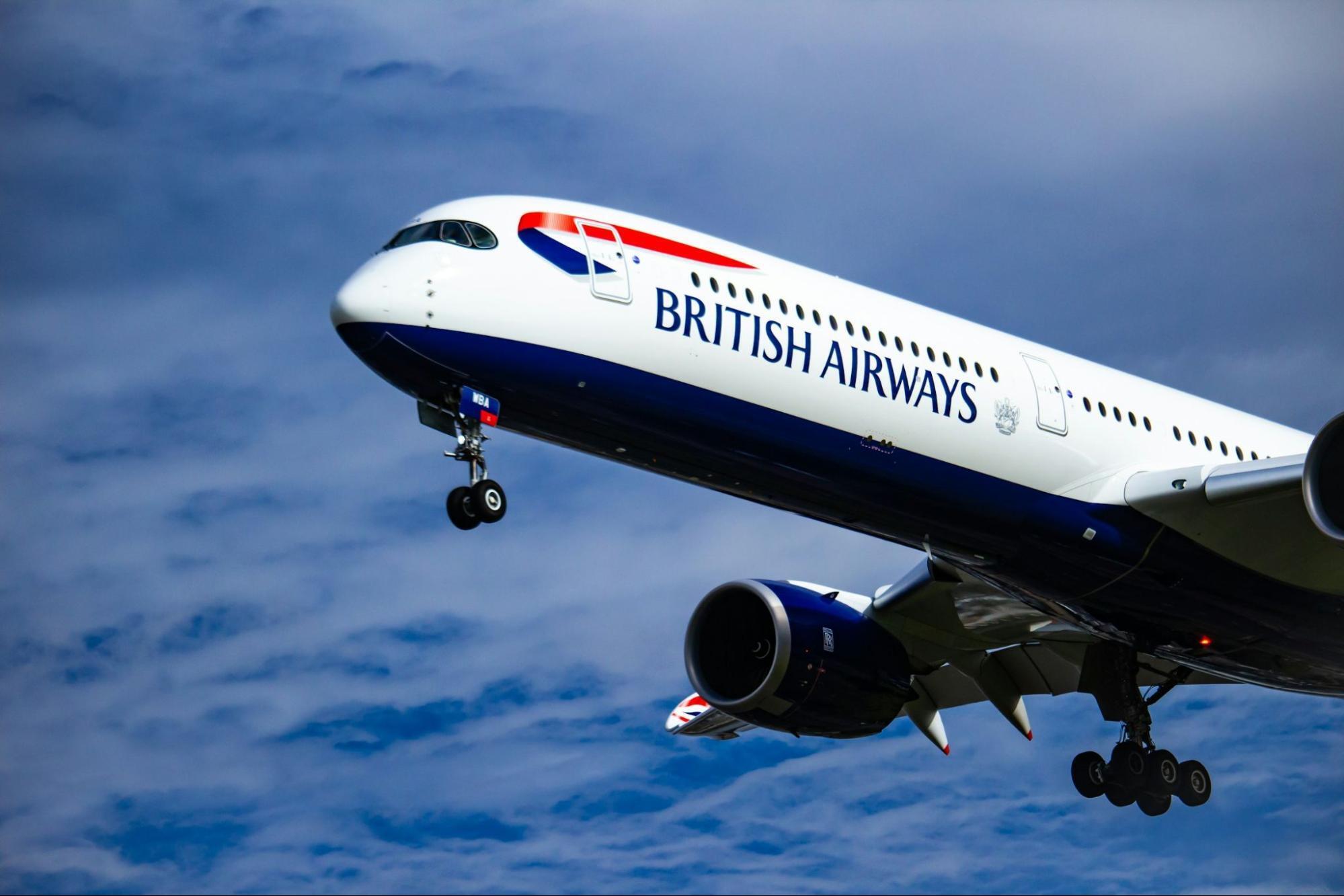
In the UK, there have also been past cases involving concerns over pilot fitness. In 2018, a British Airways pilot was removed from a flight at Gatwick Airport after police responded to reports about his condition before departure. The flight left later once another pilot had been assigned. Following incidents of this type, airlines and regulators have continued the use of standard pre-flight checks, including alcohol and substance testing for flight crew.
The incident shows that pilots must meet safety and fitness standards regardless of experience. Aviation authorities in different countries enforce specific rules on alcohol use and fitness for duty, as breaches can affect safe flight operations. Travellers should be confident that these systems of oversight exist and work to protect safety, but they also serve as a reminder that airline operations involve many unseen checks long before a plane leaves the ground.