Mount Etna Eruption Raises Aviation Alert Without Halting Flights
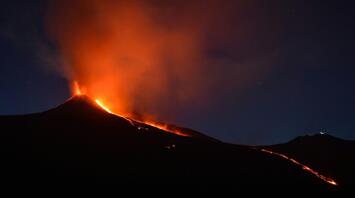
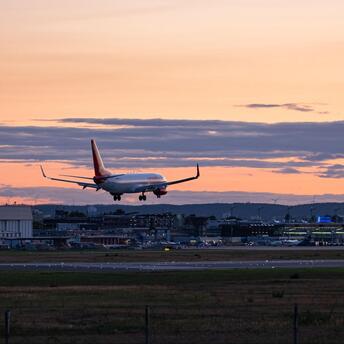
Mount Etna, Europe’s most active volcano, erupted on Saturday as lava and ash were thrown into the air above eastern Sicily. The eruption prompted scientists to raise aviation warnings due to potential risks for aircraft operating nearby. Despite the dramatic visuals, Italian authorities said air traffic continued as normal, with no immediate disruption reported at Catania–Fontanarossa Airport.
Italy’s Istituto Nazionale di Geofisica e Vulcanologia said volcanic activity increased during the day, with several craters producing continuous ash emissions. Large plumes of smoke and ash were visible from a distance, while lava flows stayed confined to the upper slopes of the volcano. Mount Etna erupts frequently, and monitoring teams said no unusual behaviour was observed apart from the higher level of ash release.
Following the increase in activity, scientists issued a red Volcano Observatory Notice for Aviation, the highest alert used to warn of potential risks to aircraft. The notice refers to volcanic ash in the airspace, which can pose a risk to flight operations. Authorities said operations at Catania–Fontanarossa Airport would continue unless ashfall became heavier or drifted towards populated areas.
Away from aviation matters, the eruption attracted attention across the region as winter tourism continued on Etna’s lower slopes. Skiers were seen using runs beneath the ash cloud. Areas around the volcano, including nearby towns and viewing points, remained open while authorities and emergency services monitored conditions on site.
The eruption highlights the reality of daily movement in volcanically active areas. Aviation warnings remain in place, yet flights have continued as monitoring systems track ash and activity levels. People planning travel to eastern Sicily are being reminded that conditions can shift quickly, even at times when transport and tourism continue without immediate disruption.