KLM Cancels Caribbean Flights as Venezuela Airspace Disruption Spreads
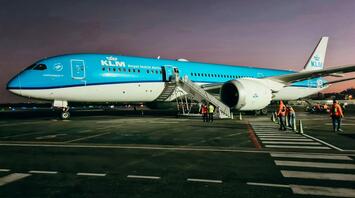
KLM cancelled a series of flights on 3 January after airspace restrictions linked to the situation in Venezuela disrupted operations across parts of the Caribbean.
Five services were cancelled in both directions, affecting around 2,600 passengers:
- KL733
- KL735
- KL765
- KL775
- KL783
The airline said flights already en route from the region landed safely in Amsterdam, with passenger safety remaining the priority.
Earlier on 3 January, KLM confirmed that airspace around Curaçao had been closed, forcing delays and uncertainty for services heading to Curaçao, Aruba, Bonaire, Sint Maarten, Port of Spain, Georgetown and Bridgetown. At that stage, around 1,200 passengers were affected. KLM said route adjustments were under review while the situation continued to develop, with decisions pending later in the day.
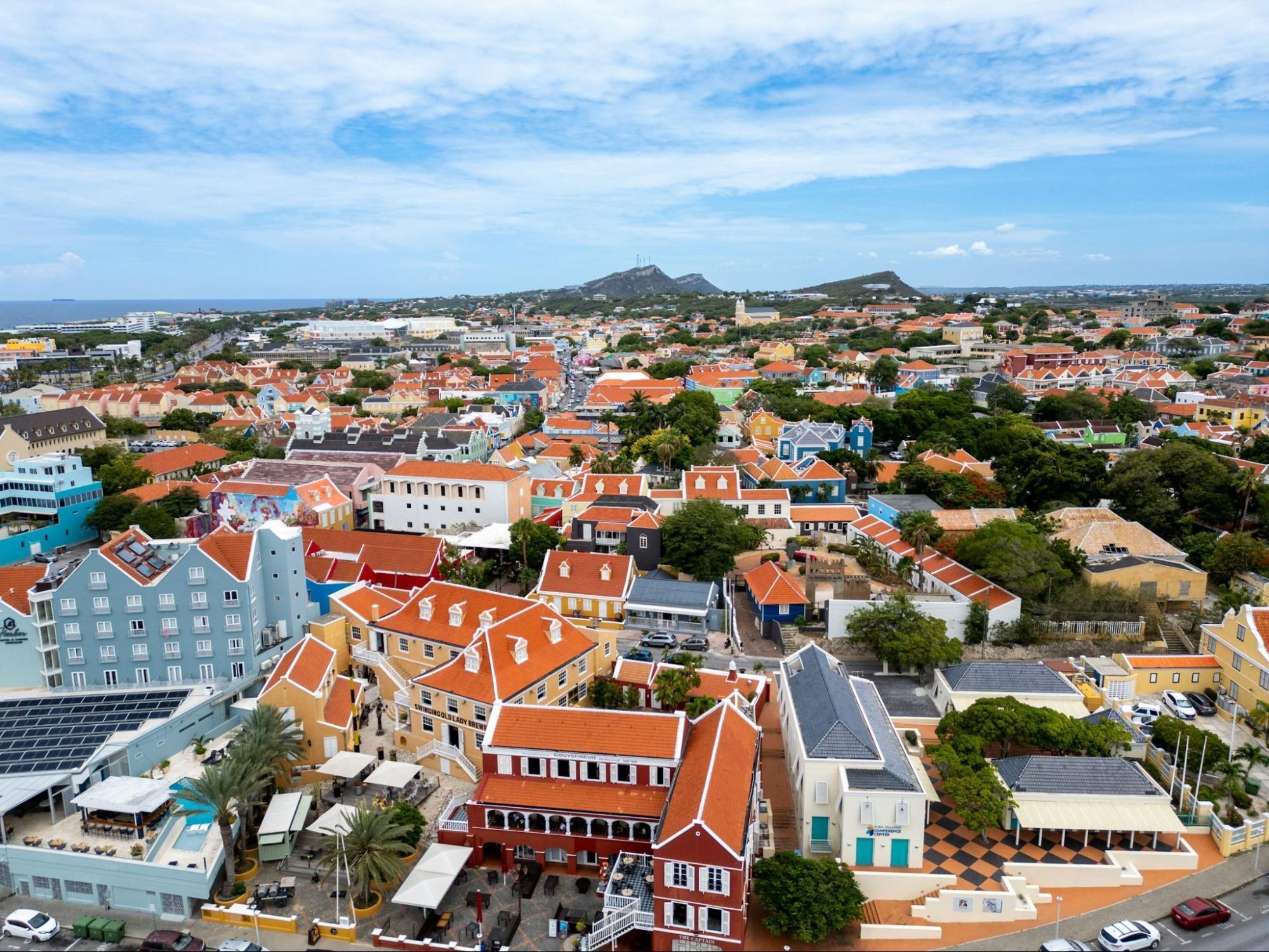
By the evening, the airline announced plans to resume flights to the affected destinations on Sunday, 4 January, subject to ongoing monitoring. Passengers whose flights were cancelled were offered rebooking on the next available service. KLM advised customers to check flight status updates through its app and online channels as schedules stabilised following the temporary disruption.
Caribbean links begin to reopen
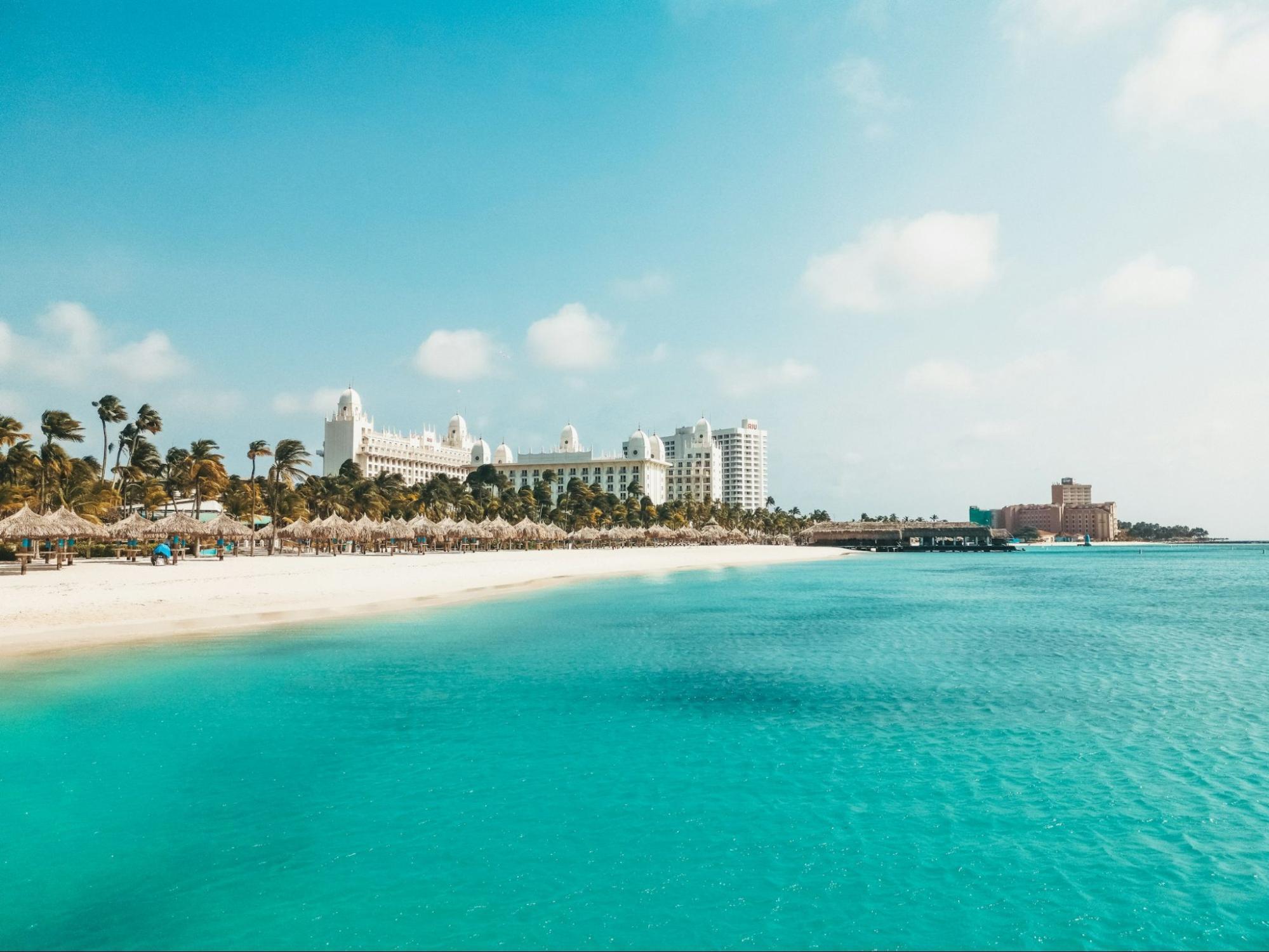
As flight schedules are restored, several Caribbean destinations are becoming reachable again during the winter travel period. Curaçao, Aruba and Bonaire remain important entry points for beach trips, diving holidays and travel between islands. Sint Maarten continues to function as a key transfer airport, while services serving Port of Spain, Georgetown and Bridgetown help maintain links across the southern Caribbean.
Recent events show that political or security developments, even when they occur outside a final destination, can interrupt long-haul air services with little warning. Although operations are starting to return, flight routes close to sensitive areas may still be revised at short notice. Checking airline updates remains important in situations like this. Allowing extra time for possible schedule changes can also help reduce disruption if similar issues arise again.