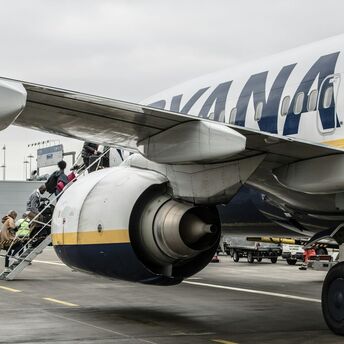
Heavy Rain and Wind Begin to Disrupt Journeys Across Britain
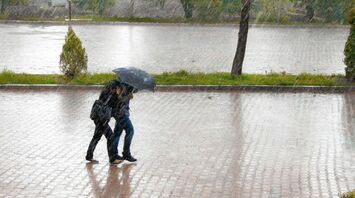
Storm Ingrid is bringing a period of unsettled weather to large parts of the United Kingdom, increasing the risk of flooding and disruption to travel. The system, named by Portugal’s national weather service IPMA, is affecting southwest England and south Wales from Friday, while prolonged heavy rain is also impacting parts of Scotland. The most challenging conditions are expected where rainfall follows already saturated ground after recent wet weather.
Across southwest England and south Wales, repeated spells of heavy rain are moving through the region alongside strengthening winds. Rainfall is adding up quickly, with further downpours expected through Friday night before conditions begin to improve on Saturday morning. Strong gusts inland and more severe winds along the coast are forecast, especially on Friday evening, creating difficult conditions for exposed roads, coastal routes, and transport services.
Travellers in Scotland are already seeing the effects, as heavy rain has caused road closures and restrictions on rail services. Several important roads in Perth and Kinross have been closed due to flooding, while speed limits are in place on multiple ScotRail routes. These include key long distance lines linking Inverness with Edinburgh, Glasgow, and Aberdeen, adding delays to already challenging journeys.
Emergency crews have also been called out to deal with flooding incidents, including rescues of drivers trapped in vehicles in Aberdeenshire. Rail passengers are experiencing slower journeys, while motorists are being forced to take detours or delay trips because of standing water and closed roads. With rain continuing over higher ground and snowmelt adding extra runoff, rivers may rise further, placing additional strain on transport networks.
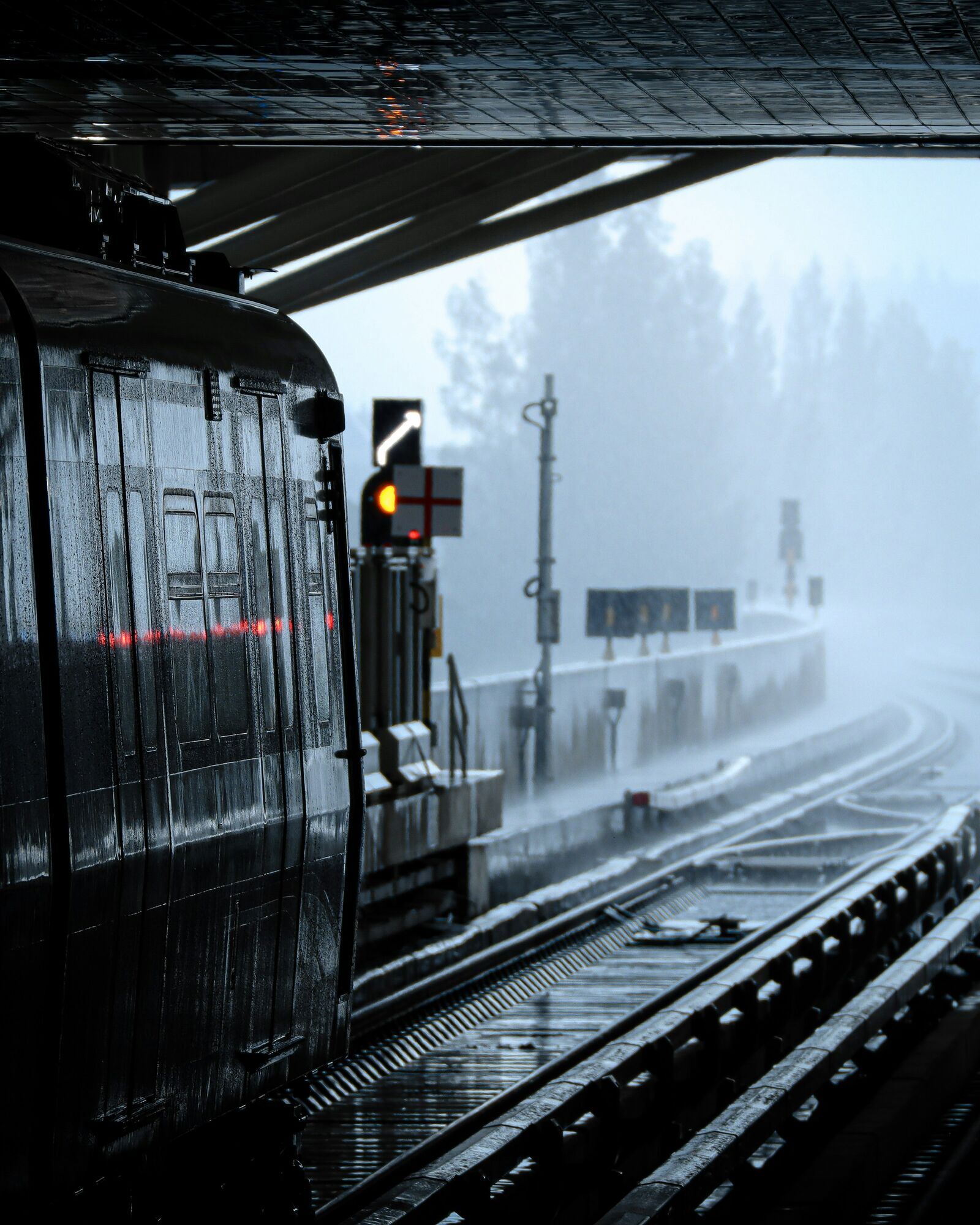
The current situation means travellers need to pay closer attention to planning and keep checking updates before beginning a journey. Passengers can follow changes to train services through National Rail Enquiries, while SEPA’s Flood Information Service gives a clearer picture of where flooding may cause problems. Travellers are likely to have an easier time if they expect slower journeys, stay open to different routes, and accept that schedules may change during unsettled conditions.