EU Lawmakers Back Stricter Air Passenger Rules, Airlines Push Back

European airline groups have sharply criticised a vote by the European Parliament’s Transport and Tourism Committee (TRAN), which confirmed support for tougher revisions to EU air passenger rights legislation (EU261). IATA, Airlines for Europe (A4E) and the European Regions Airline Association (ERA) warned that the changes risk weakening consumer choice and damaging the competitiveness of the European aviation sector by adding financial and operational pressures on carriers already facing rising costs.
Industry groups argue that the committee’s stance disregards recent evidence on consumer priorities. Research cited by airlines suggests that travellers place higher value on choice, reasonable fares and punctuality rather than broader compensation schemes that may lead to increased ticket prices. EU261 is already regarded as the most demanding air passenger rights framework globally, and carriers say that further tightening fails to reflect current market realities or consumer behaviour.
The TRAN Committee’s vote goes against proposals originally introduced by the European Commission to rebalance EU261 by protecting passengers while allowing airlines to operate sustainably within a competitive network. Airline associations say the revisions overlook the main causes of travel disruption, such as air traffic control issues and infrastructure constraints, which compensation rules cannot solve. They argue that additional layers of regulation may reduce route viability, affect regional connectivity and raise fares without tackling underlying bottlenecks.
Key concerns flagged by airline groups include:
- Lack of impact assessment on fares and route viability
- Mismatch between compensation rules and operational constraints
- Proposals on cabin baggage without feasibility analysis
- An expanded "extraordinary circumstances" list that omits safety realities
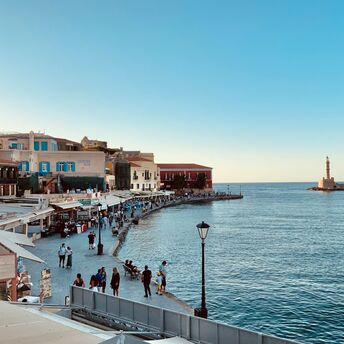
Some of the proposed changes could influence how easy it is to move around Europe by air. Peripheral and island regions rely on flights when trains or ferries aren’t realistic options, so extra regulatory pressure could make certain routes less attractive for airlines. In that case, quieter holiday spots, regional business centres or cultural hubs could become harder to reach, which would affect both residents and visitors.

For now, the rules are still being debated. Airline associations want the EU to keep passenger protection strong, but without making tickets more expensive or reducing the number of available routes. Their argument is that Europe’s air network needs fixes in infrastructure and air traffic management, not just new layers of compensation. What Brussels decides in the coming months will influence how affordable and connected flying within the EU will be in the future.