EU Border Checks Go Digital With EES Rollout
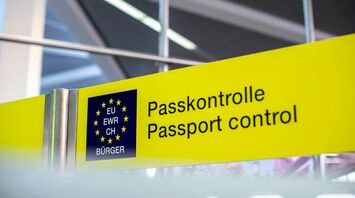
The European Union’s Entry/Exit System (EES) will become fully operational from 10 April 2026, completing its phased introduction across 29 countries that began in October last year. The system replaces traditional passport stamps with digital records of entry and exit for non-EU visitors staying up to 90 days within a 180-day period, including travellers from the United Kingdom.
EES will record biometric data such as facial images and fingerprints together with passport details. Authorities say the system is designed to modernise border procedures and improve identification processes. According to the European Commission, more than 24,000 people have already been refused entry during the rollout due to expired or fraudulent documents or failure to justify the purpose of travel.
Who EES Applies to
- Non-EU citizens visiting Schengen countries short term
- UK travellers visiting for tourism or business
- Property owners without EU residence permits
- Travellers entering participating EU states
- Exemptions include Ireland, Cyprus and EU residents
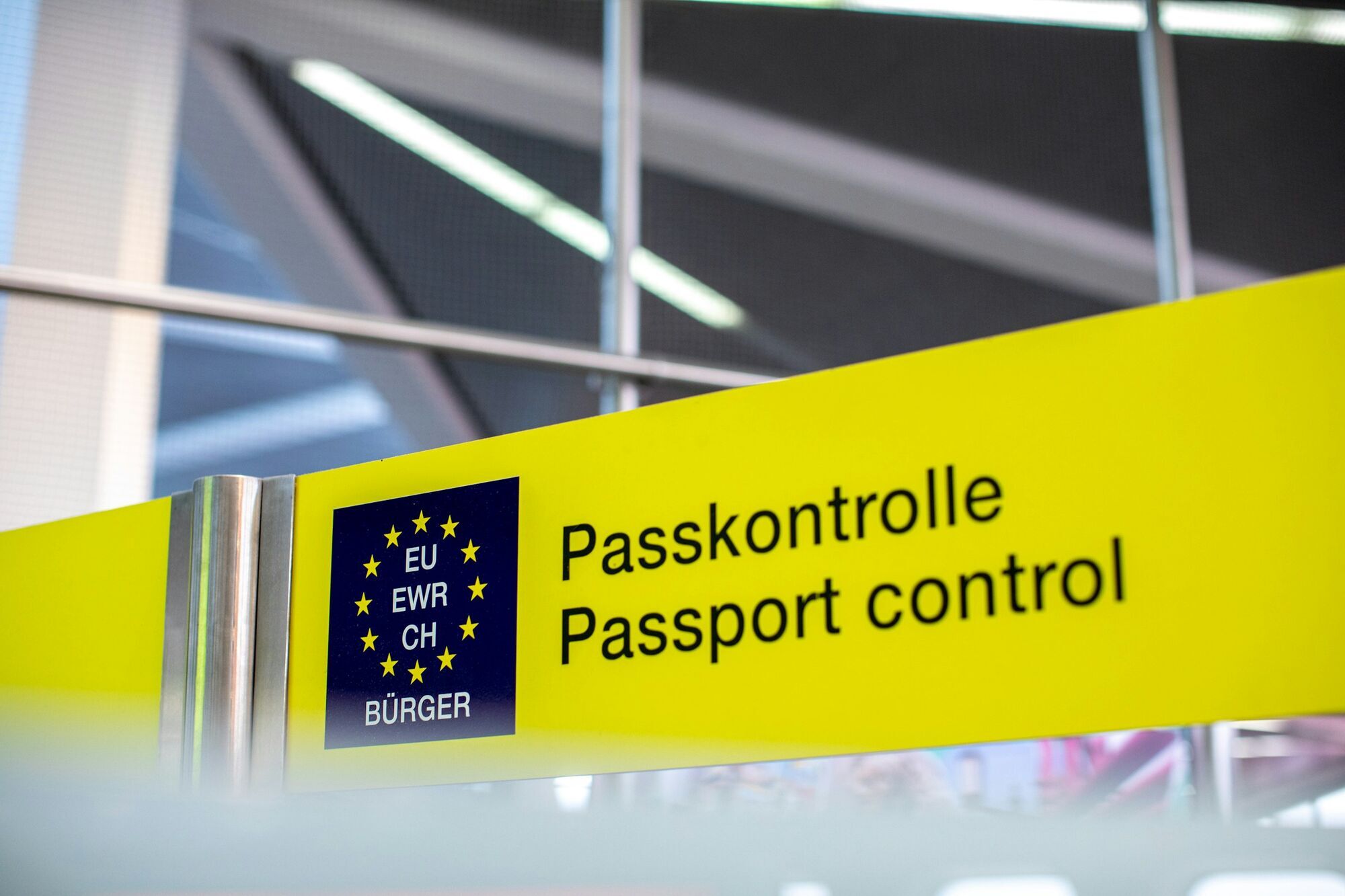
Airports may experience longer waiting times during the first months of full implementation. Industry groups ACI Europe and Airlines for Europe have reported queues reaching up to two hours at peak periods. Border authorities will no longer be able to suspend EES checks during busy travel periods, which means passengers may need to allow additional time at airports while procedures become routine.
Clearer digital records of entry and exit may make travel across participating European countries more predictable once procedures stabilise. Popular destinations across the Schengen area, including major cultural cities, coastal regions and mountain areas, will remain accessible under the same short-stay rules. The system is expected to simplify repeated visits, as biometric data stored for three years can speed up future border checks.
“Waiting times are now regularly reaching up to two hours at peak traffic times, with some airports reporting even longer queues."
The EES replaces passport stamps with digital records at EU borders. Some delays may happen at first, but the aim is to make checks more uniform across participating countries. Knowing the registration steps in advance can make the process at the airport easier. This matters most for people who plan several short visits to Europe within the permitted stay period.