Quantum Navigation Trial Begins on Britain’s Railway Network
Britain’s rail network has taken a step forward in the development of quantum navigation technology, with new positioning systems being explored for use on national rail services. The technology measures a train’s position with very high accuracy and does not depend on satellite signals. This may allow trains to keep reliable positioning in tunnels, built-up urban areas or places where GPS coverage is weak or interrupted.
Quantum inertial navigation uses very sensitive sensors that detect small changes in movement and rotation. The system works without satellite signals, which allows positioning even in complex rail environments. Developers see it as a possible future alternative to fixed trackside equipment, which can require extensive installation and maintenance and may be affected by weather or technical faults.
“For more than two centuries Britain’s railway has forged technologies that have shaped the modern world. The development of quantum inertial navigation continues that legacy. With these new capabilities, we're preventing equipment failures, helping to boost our railway's reliability and keeping passengers moving."
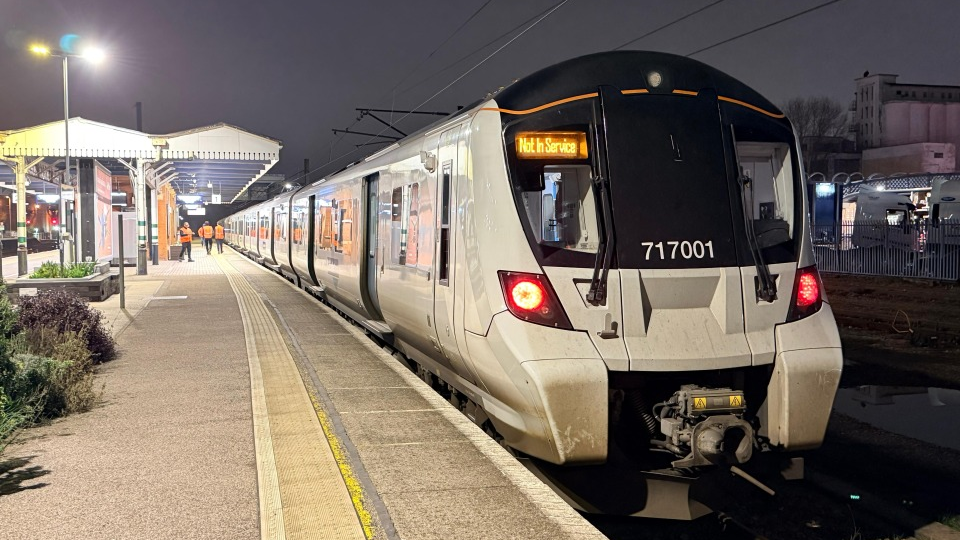
A Rail Quantum Inertial Navigation System (RQINS) has now been tested on a mainline railway for the first time. The system was carried on a Great Northern train operated by Govia Thameslink Railway between central London and Welwyn Garden City on 3 March. The test collected operational data to evaluate how quantum positioning performs in real railway conditions and to support further development of the technology.
More accurate train positioning may help avoid delays caused by signalling or technical faults on busy routes between major UK cities. Trains may stop less often because of technical interruptions, including in tunnels or areas where signal coverage is weaker. More stable running times can make journeys easier to plan, especially when changing trains, heading to the airport or travelling on a fixed timetable.
If further trials are successful, the technology could appear on some UK rail routes in the future. Fewer technical problems may mean trains keep moving without unexpected stops, including on intercity journeys between London and other cities. More precise positioning may also allow service information to appear sooner, giving travellers more time to react if something changes during the trip.