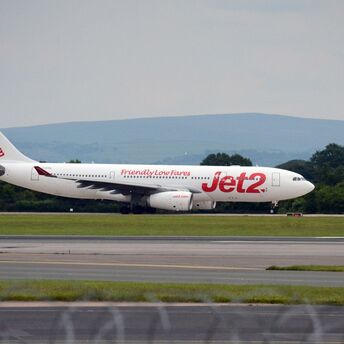
Power Banks Face Tougher Flight Rules
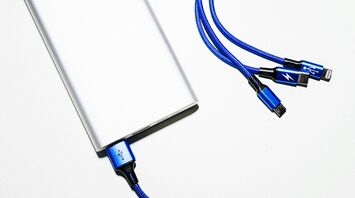
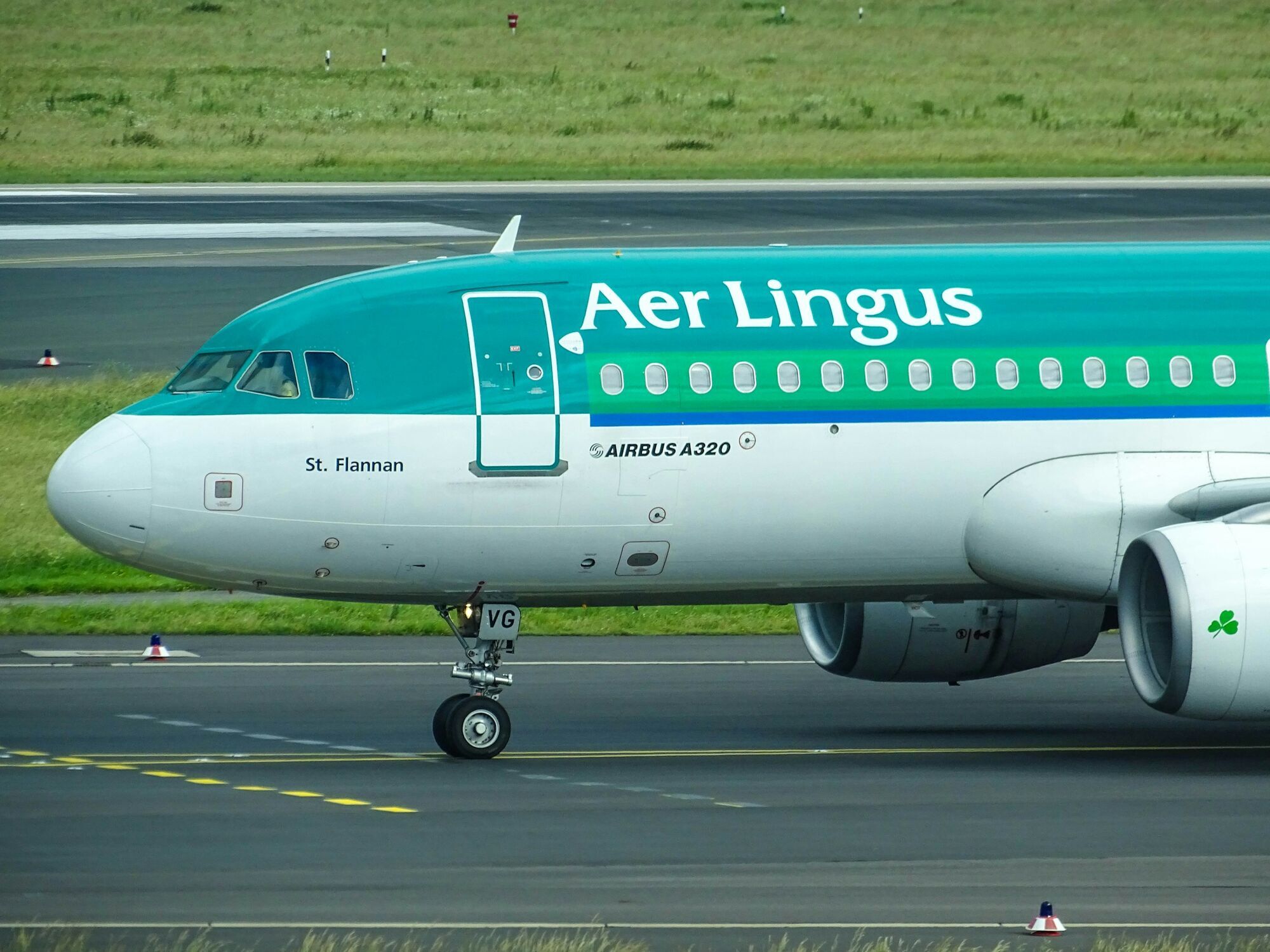
Airlines are tightening rules on portable power banks after several incidents involving lithium batteries on aircraft. Thailand’s aviation authority has updated requirements for all flights to, from and within the country, while Aer Lingus has also changed its policy. The rules matter for anyone carrying spare charging devices in hand luggage, especially on long-haul or connecting trips.
Power banks must now be kept in cabin baggage on flights covered by Thailand’s updated rules and cannot be placed in checked luggage. Passengers are allowed up to two power banks, but they cannot use them during the flight. The rules affect airlines operating Thailand services, including Thai Airways, Thai AirAsia, Bangkok Airways and Singapore Airlines.
What to Check Before Flying
Travellers should check their airline’s current policy before packing:
- Power banks usually belong in hand luggage
- Many airlines limit passengers to two units
- Devices should be protected from short circuits
- Some airlines ban charging during the flight
- Larger batteries may need airline approval
UK guidance allows power banks up to 100Wh without operator approval, while 100Wh to 160Wh usually needs airline approval.
The rules may affect beach holidays, city breaks and long-haul routes where travellers rely on phones for boarding passes, maps, translation apps and transfers. Anyone flying through Thailand, Ireland or the UK should keep power banks accessible, check the Wh rating printed on the device and avoid packing them in checked bags before reaching the airport.
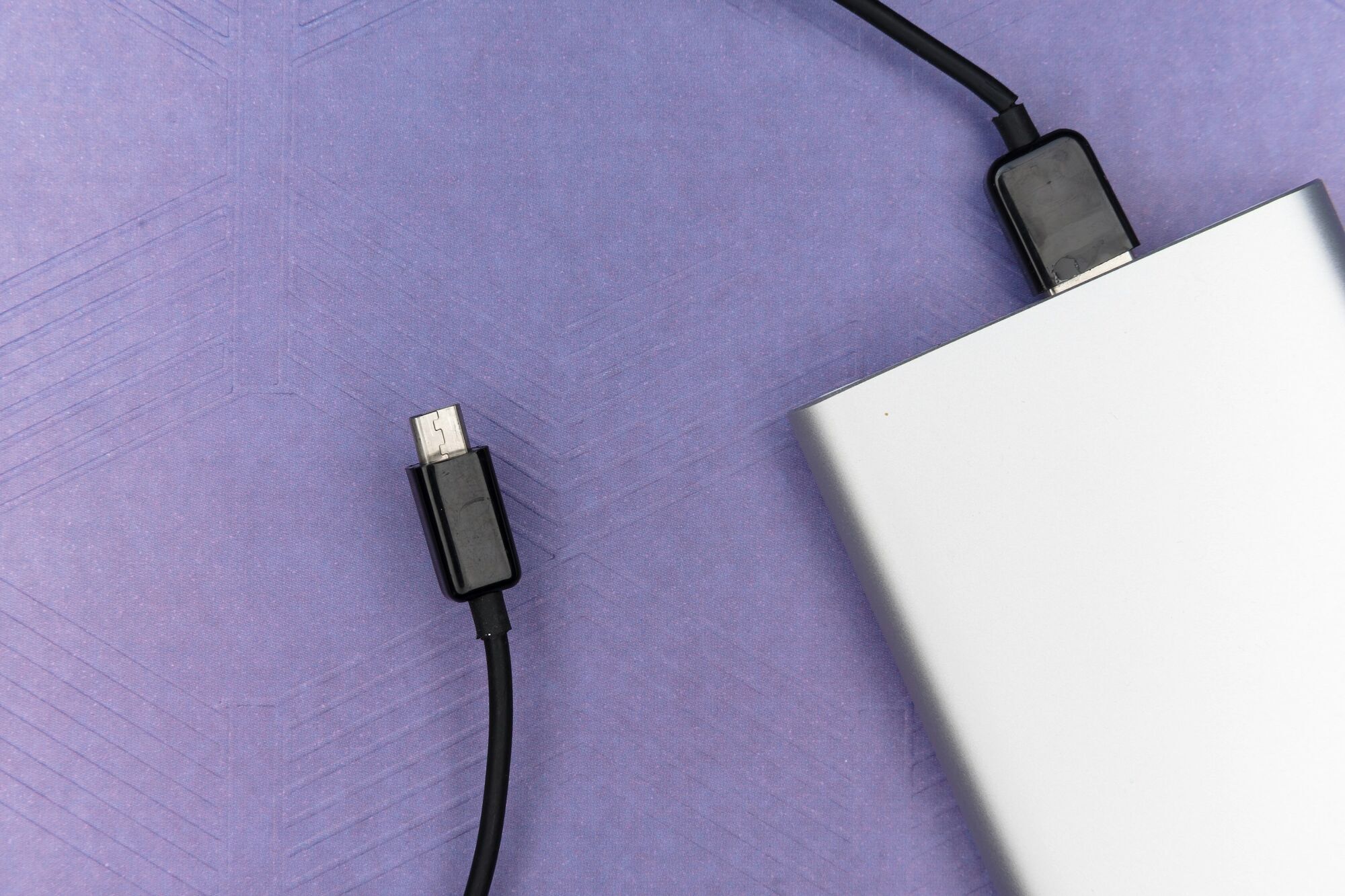
The change is small but easy to get wrong. A power bank left in a suitcase can delay a bag check or cause trouble before boarding, while using one in the cabin may now break airline rules on some routes. The safest move is boring but effective: carry no more than two, keep them protected, and check the airline page before flying.