Vienna’s Wine Train Shows Another Side of the City

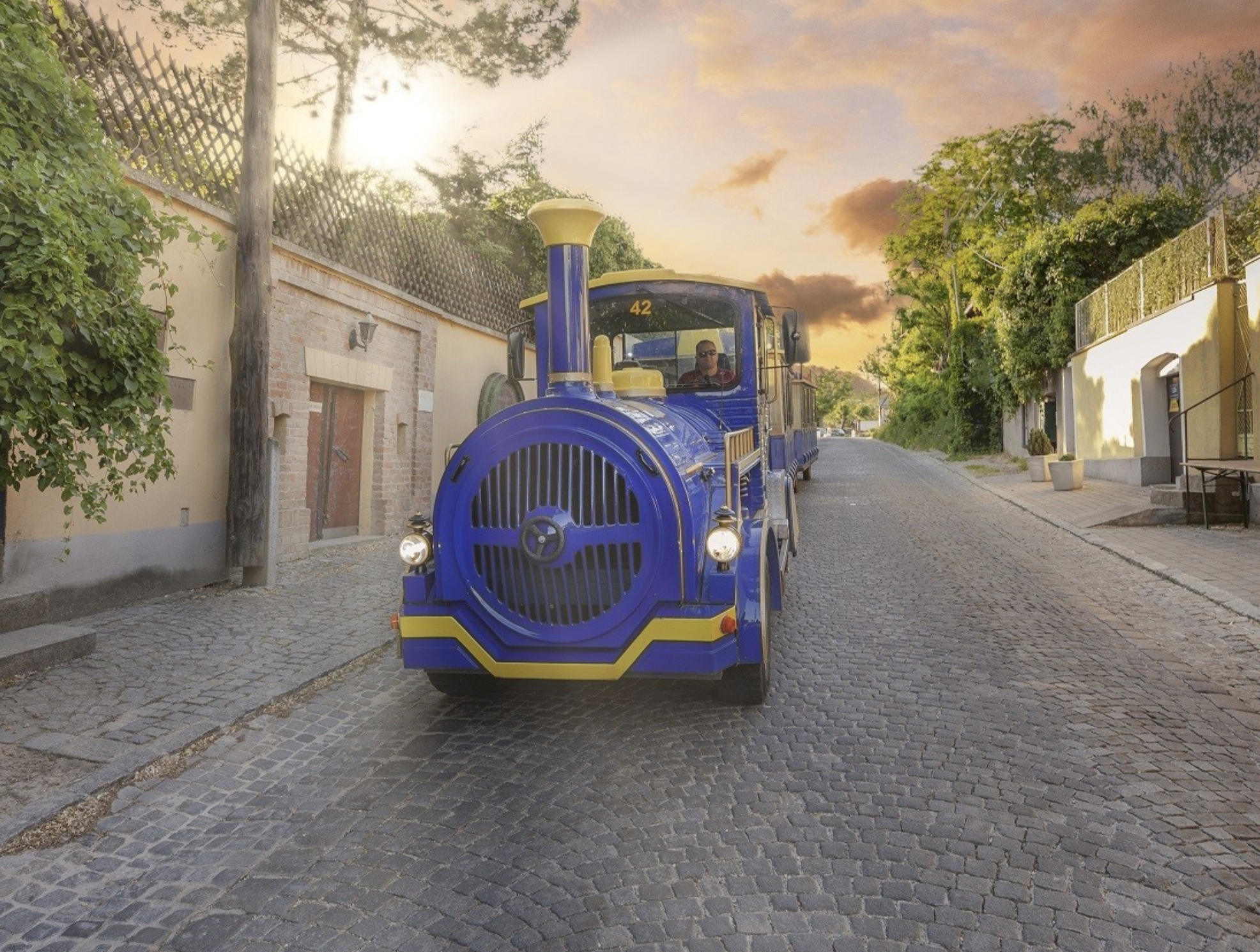
Vienna’s Heurigen Express is giving visitors a quieter way to explore the Austrian capital beyond palaces, museums and coffee houses. The small blue-and-yellow train runs between April and October, taking passengers into the city’s hilly wine suburbs. Starting in Heiligenstadt, in the north-western district of Döbling, it links travellers with vineyard areas, hilltop views and traditional wine taverns.
The route passes through Nussdorf, Nussberg and Kahlenberg, where visitors can hop off for wide views across Vienna. It then descends towards Grinzing, an old winegrowing village, before continuing to Mayer am Pfarrplatz. The tavern has added historical interest, as Beethoven lived there for a period in 1817.
Vienna’s wine culture is unusual for a capital city. Vineyards still operate within the city limits, and many producers open their premises during warmer months. The taverns, known as heurigen, serve this year’s wine with local food such as liptauer, smoked sausage and potato salad. The tradition dates back to 1784, when Emperor Joseph II allowed residents to sell their own produce.
The train makes places such as Nussberg, Kahlenberg and Grinzing easier to include in a short Vienna trip, especially for visitors who do not want to plan a full countryside excursion. It also pairs well with the Hidden Wine Cellars tour, which explores underground wine spaces near St Stephen’s Cathedral, including old cellars, vaults and private bottle lockers.

For visitors, the appeal is practical as much as atmospheric. Vienna’s wine districts are close to the centre, but feel separate from the usual city-break route. The Heurigen Express offers a simple way to reach them without a car, turning an afternoon into a mix of hill views, local food, white wine and a less obvious slice of Viennese life.