Finnair Updates Rules for Power Banks and Lithium Battery Devices

Finnair has announced updated rules for passengers travelling with power banks and other devices containing lithium batteries. The changes will take effect on 24 June 2026 and introduce new restrictions on how portable chargers can be carried and used during flights. The airline said the measures are designed to improve onboard safety as lithium batteries remain subject to special aviation regulations due to their potential fire risk.
Under the revised policy, passengers will be allowed to carry a maximum of two power banks in their carry-on baggage, with each unit limited to a capacity of 100 watt-hours. Power banks and spare batteries will continue to be prohibited in checked baggage. The airline also confirmed that power banks may not be used during flights or connected to aircraft power outlets, making pre-flight charging more important for travellers relying on electronic devices.
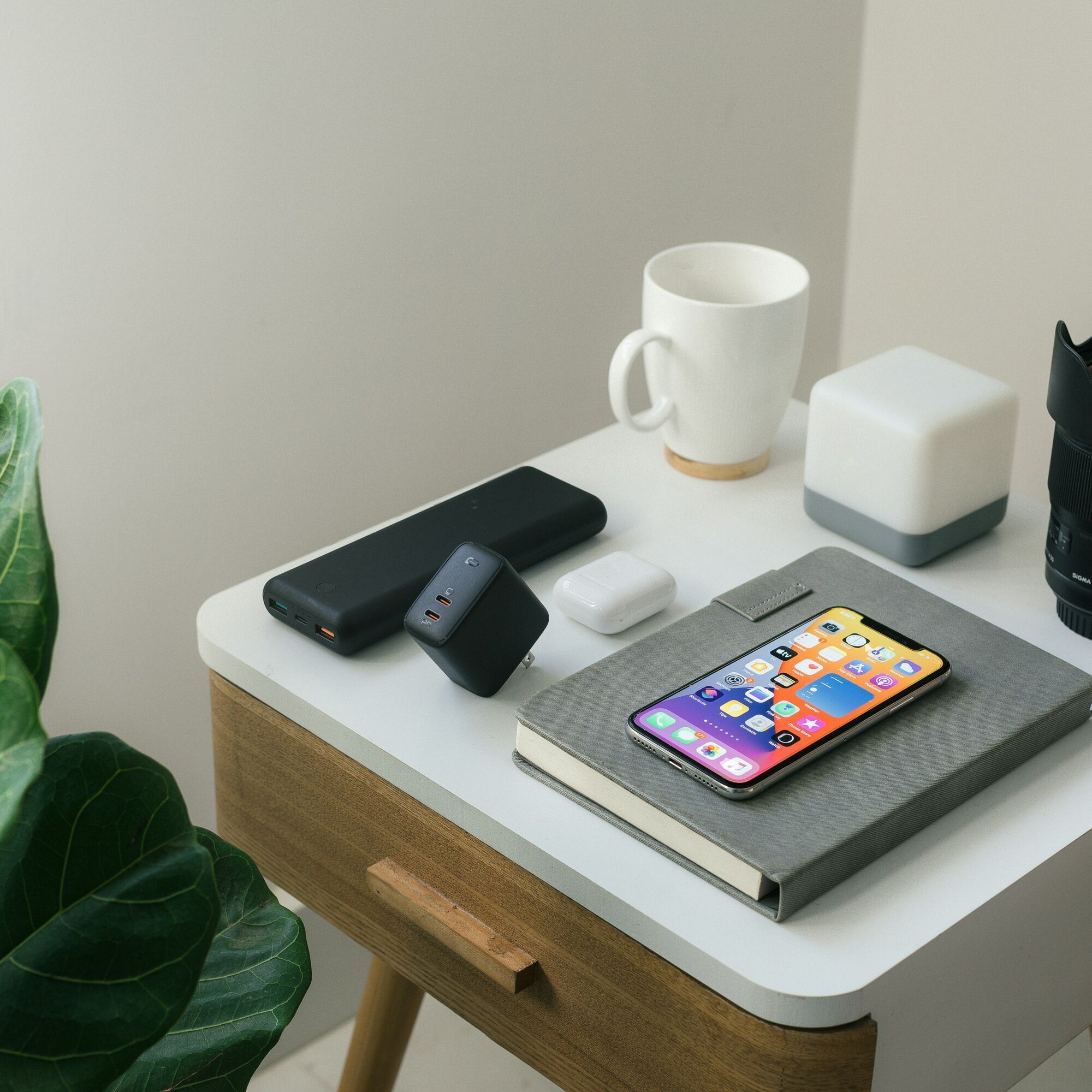
What Travellers Should Check Before Flying
Passengers planning to fly with battery-powered electronics are advised to check a few key points before departure:
- Verify that all devices and batteries are in good condition.
- Check the battery capacity, especially for larger power banks.
- Keep power banks and spare batteries in carry-on baggage only.
- Remove restricted battery items from any bag that may be checked in.
- Make sure battery information remains visible and readable.
Battery details can usually be found on the device itself, in system settings or in the product documentation. Travellers carrying larger batteries should also confirm whether airline approval is required before the journey.
The guidance also recommends keeping power banks and electronic devices easily accessible during the flight rather than storing them in overhead bins. Any signs of overheating, swelling, unusual smells or smoke should be reported to cabin crew immediately. Devices placed in checked baggage should be completely switched off and protected from accidental activation, while spare batteries should be shielded from contact with metal objects that could cause short circuits.
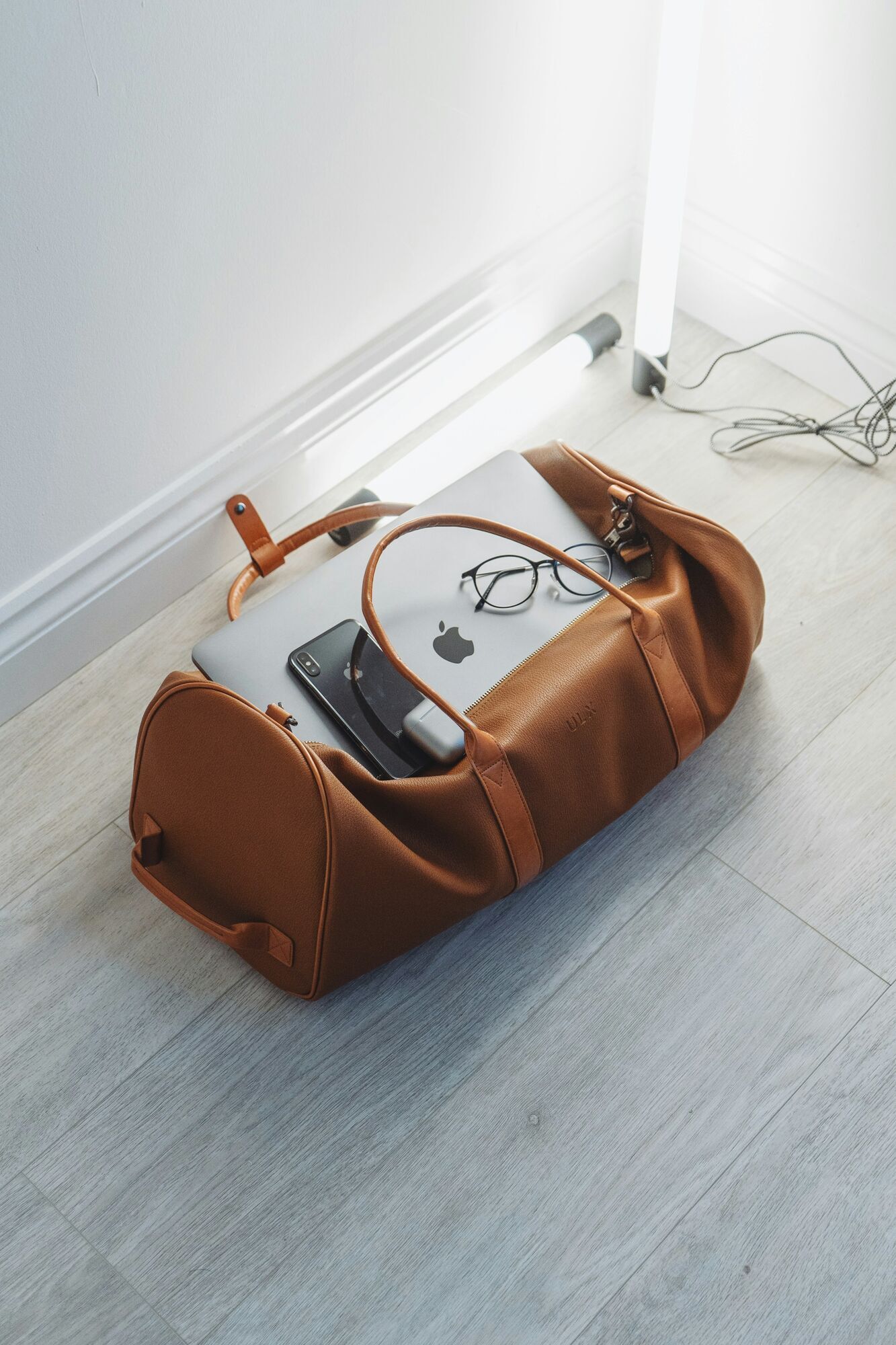
The update highlights how airlines are paying closer attention to the growing number of battery-powered devices carried by passengers. Many travellers now routinely pack phones, tablets, laptops, wireless accessories and portable chargers for a single trip. For passengers, the new rules mean spending a few extra minutes checking battery capacity, packing electronics correctly and understanding what can and cannot be used during a flight. Taking those steps before arriving at the airport could help avoid delays, security issues and last-minute baggage adjustments.