Europe Border Queues Could Hit Trips

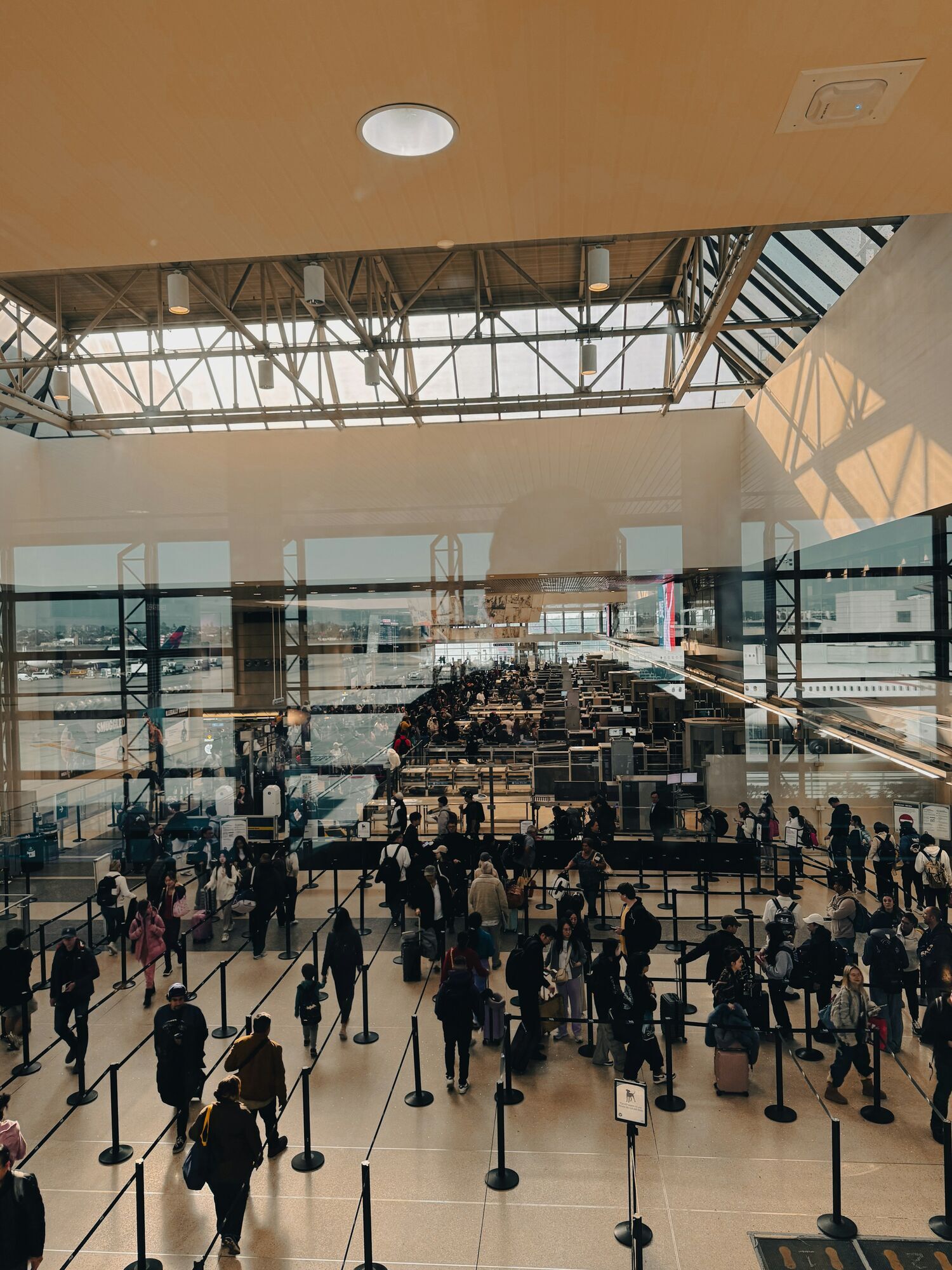
New WTTC research warns that long delays linked to Europe’s Entry/Exit System could affect travel demand for the Schengen Area. The study says up to 41 million visitor arrivals and $45.4 billion in spending could be at risk if three- to four-hour border waits become common for travellers arriving from the United Kingdom, United States, Canada and Australia.
The research is based on a May 2026 survey of 2,512 international travellers across those four source markets. Around one-third said they would be much less likely to visit Schengen destinations, or would avoid them, if lengthy queues became a regular part of the journey. UK travellers showed the strongest reaction, at 39%, followed by 33% from the US and Canada.
What Travellers Know So Far
WTTC says awareness remains low before wider use of EES:
- 65% support EES after learning about it
- 55% have heard little or nothing about it
- 49% do not know what will be required
- 87% accept some disruption if later trips become smoother
- 33% would avoid Schengen if queues regularly exceed three hours
The findings matter for trips to France, Spain, Italy, Greece and other Schengen destinations that rely heavily on long-haul and UK visitors. Better communication could help travellers prepare for biometric checks, while airports, ferry ports and border posts may need extra staffing and working equipment to stop delays from shaping first impressions of a holiday.
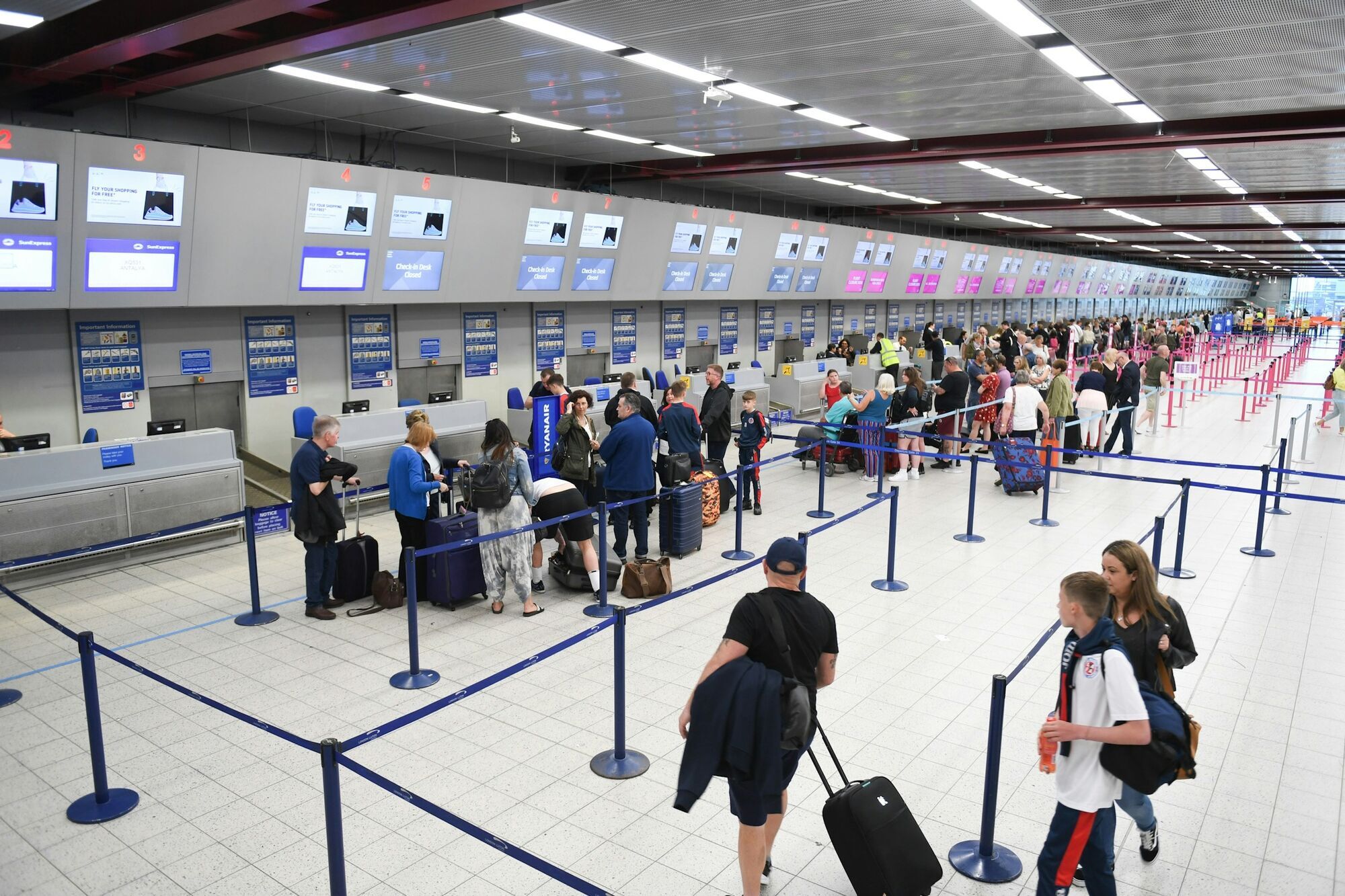
The warning is not about whether EES should happen, but about how messy the rollout becomes at the border. Travellers broadly accept digital checks when they understand the purpose. What they are less likely to tolerate is uncertainty after a long flight or ferry crossing. Europe now has to make the system clear before people reach the queue.