Travel Plans Across the UK at Risk as Heavy Rain Continues

Periods of intense rain forecast from Sunday through Monday are likely to disrupt travel across wide areas of the UK. For travellers, this is more than a routine weather update and may directly influence journey planning, departure times, and access to destinations. RIn south and southwest Wales, expected rainfall of 50 to 80 mm, and close to 100 mm in some places, may place extra pressure on roads, rail lines, and local transport networks.
Conditions are expected to be more challenging in northern and western England, where rainfall will be heavier and last longer. Because the ground is already saturated, additional rain could quickly translate into flooding and wider disruption to travel. Travellers should be aware that warnings currently cover a wide range of regions, including:
- Wales, including Cardiff, Swansea, Newport, and surrounding local authorities
- North West England, with Cumbria facing the highest rainfall totals
- Parts of the East Midlands, such as Derbyshire
- North East England, including Durham and Northumberland
- The West Midlands, including Shropshire and Staffordshire
- Yorkshire and the Humber, covering North, South, and West Yorkshire
What travellers should prepare for
For those travelling by car, road journeys are likely to face the greatest disruption. Standing water may form rapidly on roads, particularly in rural, coastal, and low lying areas, slowing traffic or forcing short notice closures. Drivers passing through affected areas may find it necessary to adjust departure times, rethink their routes, or postpone non essential journeys as conditions change.
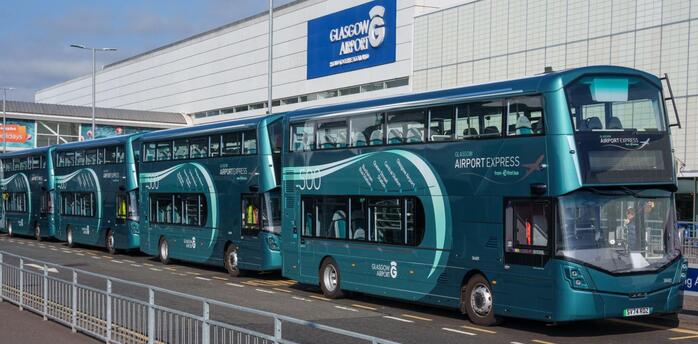
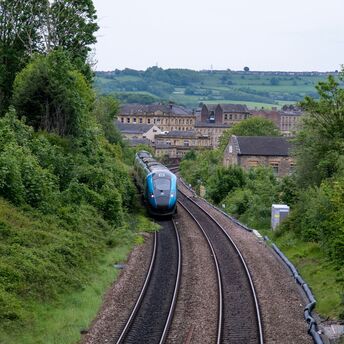
Passengers using public transport should also prepare for journeys that may be less predictable than usual. Prolonged rainfall can reduce rail speeds, trigger temporary operational limits, and make access to certain stations more challenging. If road conditions deteriorate, certain bus services may need to reroute or pause services for short periods. Travellers outside the warning zones could still experience delays, since disruption in one area often spreads across the wider transport network.
This forecast carries practical consequences for mobility and travel planning rather than being just another weather headline. Journeys may require more flexibility, additional time, and closer attention to live travel updates. Those who plan ahead and remain adaptable are more likely to avoid major disruption, while this situation reinforces how closely travel reliability can depend on sustained weather conditions rather than isolated storms.