Storm Fern Leaves American Airlines Scrambling to Restore Flight Operations

American Airlines says five of its nine hub airports have been heavily affected by Winter Storm Fern, which brought freezing rain, snow and prolonged sub-zero temperatures. Dallas Fort Worth (DFW), the carrier’s biggest hub, endured frozen runways and limited airport access, slowing flight movements to a crawl. The carrier issued a public apology, noting that teams were working continuously with airports, contractors and federal partners to stabilise the situation.
The company highlighted that conditions on the ground were highly changeable and difficult to manage. In DFW alone, weather data showed ten different types of frozen precipitation within a single day, changing 23 times and severely complicating aircraft handling. The mixture of ice pellets, snow and freezing rain reduced visibility, limited deicing effectiveness and forced repeated adjustments by dispatch, airport crews and ground handling teams.
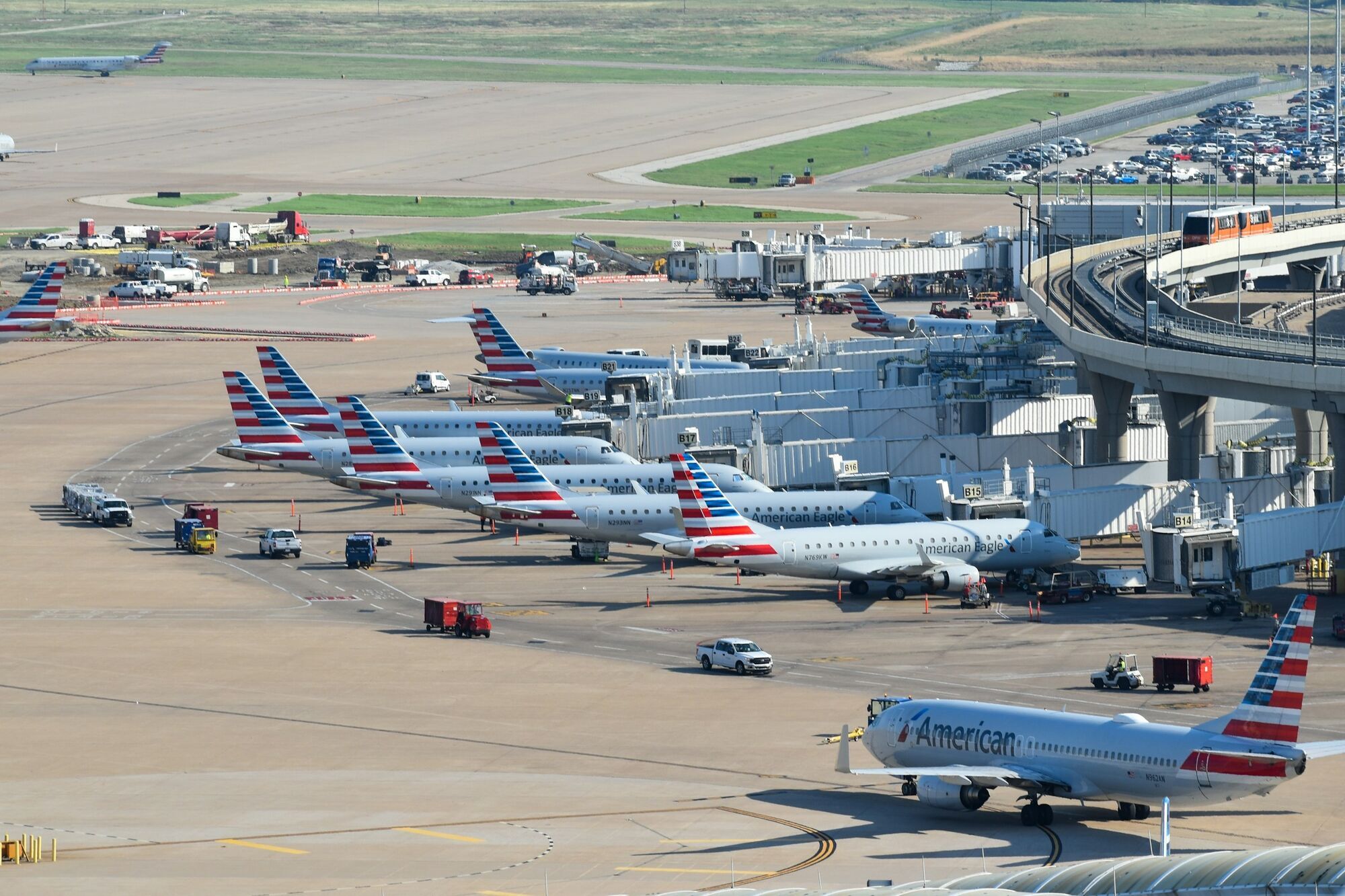
The airline asked customers to check its app or website for schedule updates and said flexibility was available through two travel alerts issued for Storm Fern. Staffing shortages added another problem in cities unaccustomed to extended winter storms, affecting airport vendors, ground crews and even federal staff. American Airlines reported air traffic control constraints as controllers struggled to reach facilities, alongside temporary NOTAM closures driven by poor field conditions.
What went wrong at ground level
- Minimal or zero deicing holdover time
- Frequent precipitation-type changes
- Reduced staffing across multiple services
- FAA constraints and NOTAM closures
- Road conditions limiting airport access
Those disruptions resulted in knock-on delays, aircraft out of position and thousands of disrupted journeys. The impact extended beyond airports, affecting rail services and local transport across parts of Texas and neighbouring states. Fern followed a series of recent winter weather patterns that have tested aviation infrastructure in regions not typically equipped for prolonged freezing conditions.
In the coming days, Fern’s legacy will still be felt across the US network as crews, aircraft and schedules settle back into place. Winter storms can throw major hubs off balance very quickly, and once that happens the effects spread through connections and aircraft rotations. The situation also shows how sensitive warm-weather hubs can be to freezing events, leaving airlines to juggle safety rules, staffing gaps and customer updates under pressure.