Lapland Airports Prepare for Gradual Rollout of EU Entry/Exit System

The European Union’s Entry/Exit System (EES) is moving into its next phase in Finland, with Lapland airports set to begin gradual implementation in early 2026. The system, managed at national level by the Finnish Border Guard, was rolled out at Helsinki Airport on 12 October 2025. Its expansion north follows a structured preparation period designed to test technical functions and familiarise border staff with updated control procedures.
Before broader rollout, Finnish authorities have prioritised system testing and staff training to keep border procedures running in an orderly way. The Border Guard says this preparatory work has focused on safety and ensuring checks remain smooth as new steps are added. The aim is to limit delays during busy travel periods, especially in northern regions where passenger numbers rise sharply in winter and early spring.
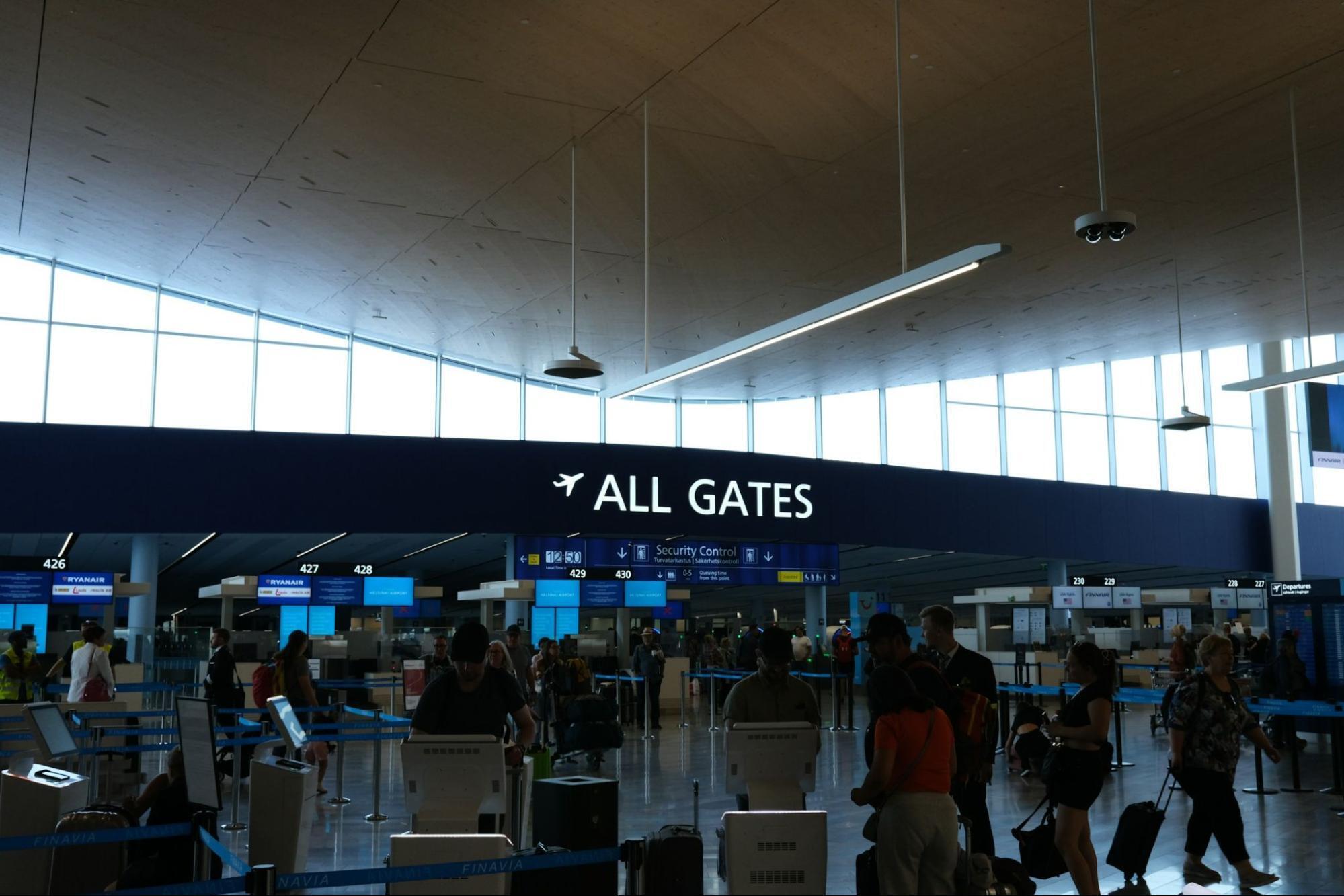
Passengers arriving at Lapland airports will begin seeing EES-related signage and guidance as the rollout progresses. Airport displays outline how border checks work under the new system and explain what information may be collected during entry or exit. Travellers are also encouraged to review official EU material on EES before arrival, helping reduce uncertainty and unnecessary delays at passport control points.
As EES becomes operational in Lapland, access to northern Finland’s key attractions remains unchanged but may become more structured during border formalities. Rovaniemi, ski resorts in Levi and Ylläs, and nearby Arctic nature areas remain among the main reasons travellers head north each winter. Digital border records are expected to support more organised passenger processing, which may reduce pressure during peak holiday periods when airports in the region are at their busiest.

The staged introduction of EES highlights how border systems across Europe are adapting to rising international travel without altering destination access. Finnish and other EU citizens remain unaffected by the system, while non-EU travellers encounter a more standardised process. For those heading to Lapland in 2026, preparation and awareness are likely to matter more than procedural change, keeping travel plans largely intact.