KLM Halts Middle East Routes as Airspace Tensions Rise
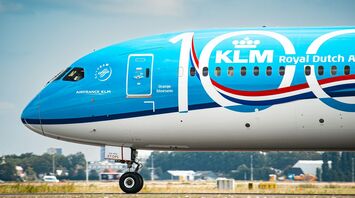
KLM has issued a statement confirming that it is avoiding the airspace of Iran, Iraq and Israel due to the current geopolitical situation. The airline is also avoiding parts of the airspace above several Gulf countries. As a result, flights to Dubai, Riyadh, Dammam and Tel Aviv are suspended until further notice. The carrier describes the decision as precautionary, with no timeline provided for resuming operations.
KLM states that passengers on cancelled flights will not be rebooked on 24 or 25 January. The airline explains that other carriers are also cancelling services to the region, limiting options for rerouting in the short term. Affected customers will be rebooked "as soon as possible", according to the statement. In the meantime, people who decide not to travel can request either a voucher or a full refund.
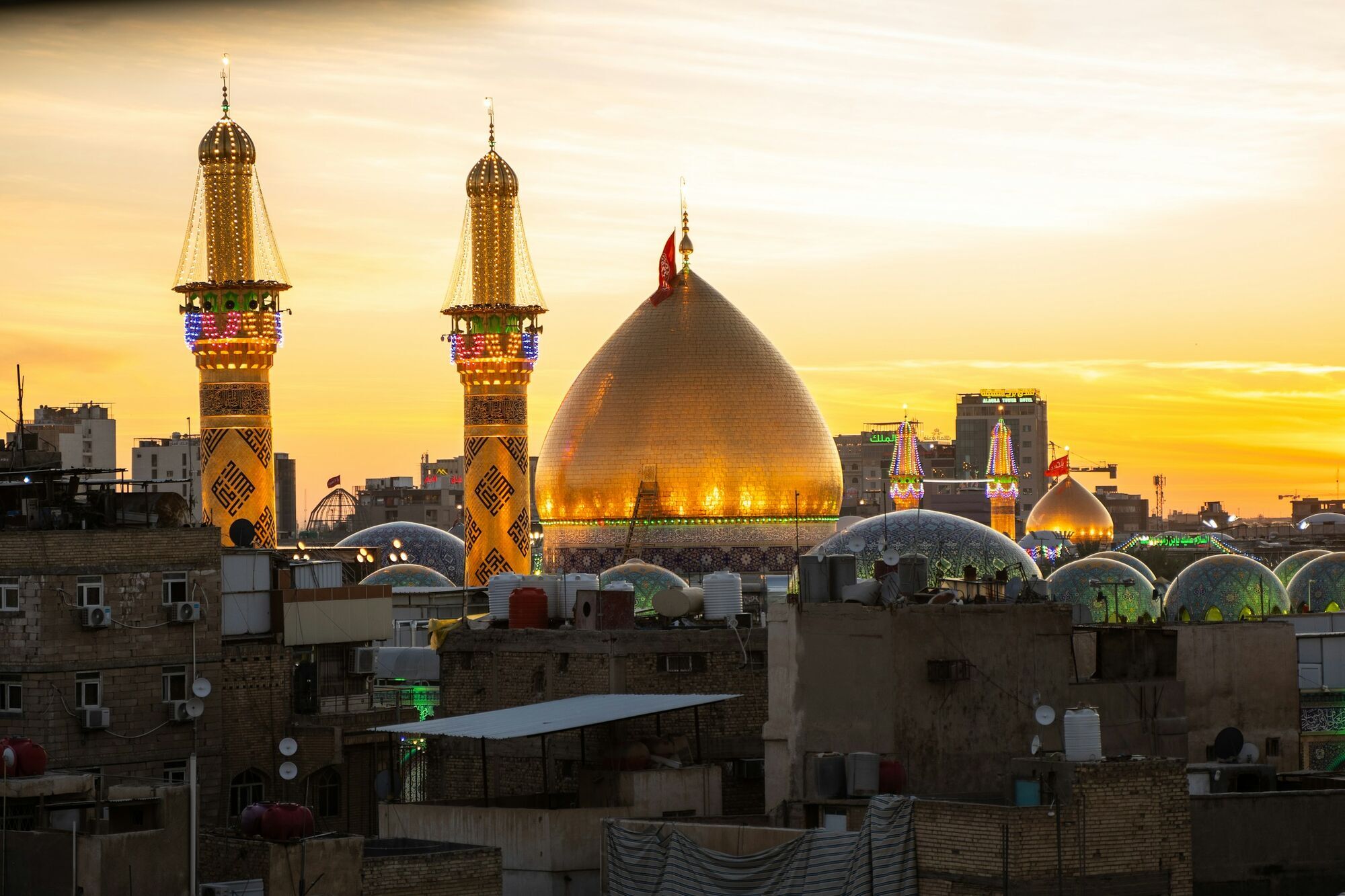
For travellers planning itineraries in the coming days, this may affect not only direct point-to-point journeys but also long-haul connections that typically transit through Gulf hubs. Routes involving Dubai or Riyadh are widely used for connections to Asia, East Africa and Australia, so disruptions may extend beyond the Middle East network. KLM notes that it continues to monitor the situation without offering forecasts or conditions for resuming flights.
Destinations impacted by the suspension
- Dubai (UAE)
- Riyadh (Saudi Arabia)
- Dammam (Saudi Arabia)
- Tel Aviv (Israel)
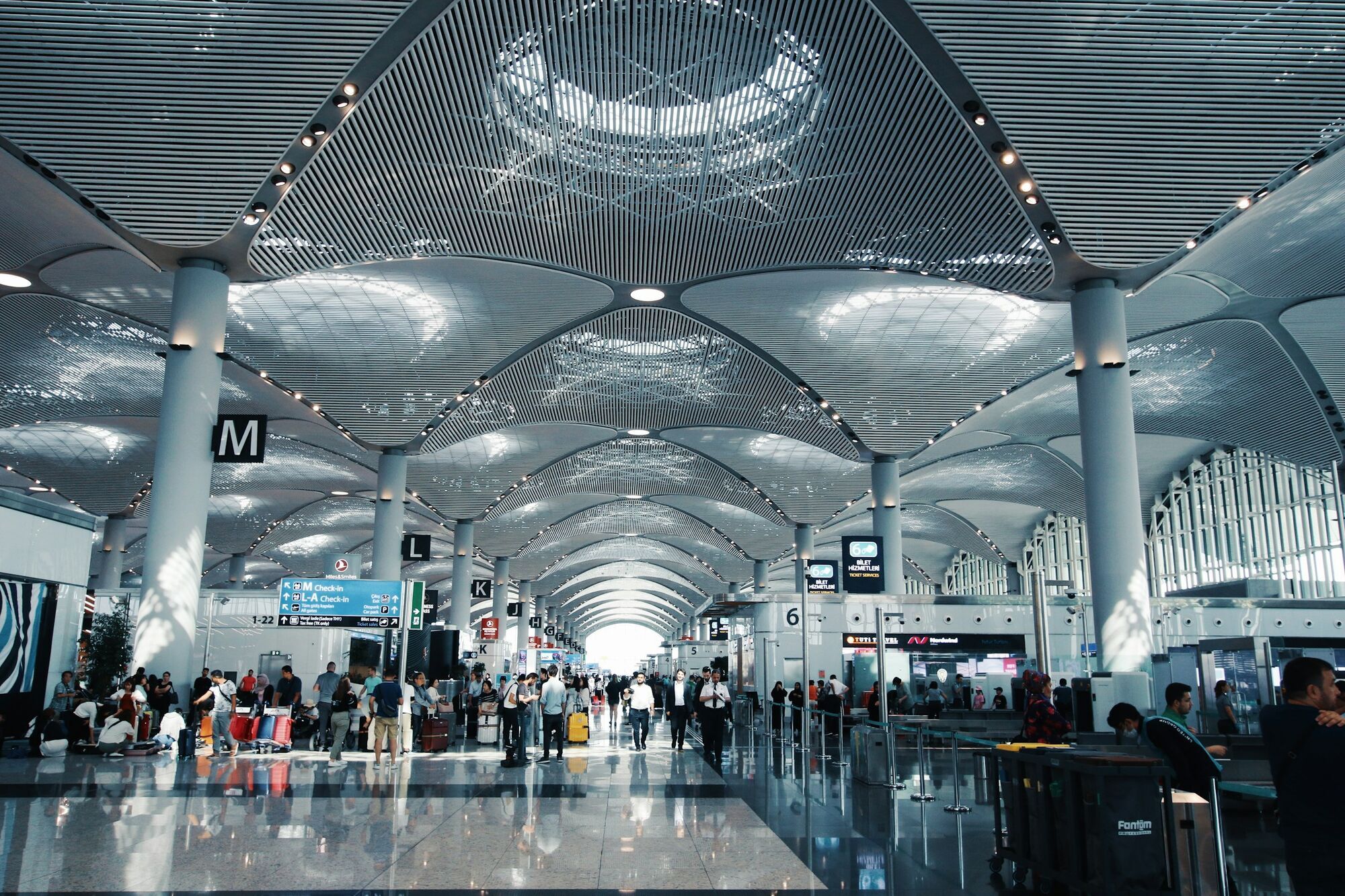
The suspended destinations are gateways to popular travel areas: Dubai for onward links to South Asia and Oceania; Riyadh and Dammam for business travel within the Gulf; and Tel Aviv for tourism in Israel and the wider Eastern Mediterranean. With these routes paused, travellers may need to consider alternative hubs such as Istanbul, Doha, Abu Dhabi, Cairo or major European centres, depending on the country they are heading to next.
Uncertainty remains, and KLM’s update shows how fast flight plans can change during periods of political tension. Anyone holding tickets for the affected dates should check booking portals and e-mails regularly instead of expecting automatic rebooking. The recent disruption also highlights the value of flexible tickets or cancellation cover when travelling through regions where airspace restrictions can appear with little warning, especially during winter’s busy travel weeks.