Holiday Journeys Complicated by Severe Snow in Warmian-Masurian Voivodeship

On December 31, 2025, a red alert was issued in the Olsztyn district of the Warmian-Masurian Voivodeship in Poland due to heavy snowfall. This is expected to have a significant impact on transport links. According to forecasts, another 10–15 centimeters of snow may fall during the day, and in some places - almost 20 centimeters. Due to such weather conditions, people traveling between cities or to vacation destinations should expect longer travel times and possible changes in transport schedules.
Once combined with earlier snowfall, total depths of around 50 to 60 centimeters are anticipated, and in some locations accumulations may approach 75 centimeters. Such levels are likely to restrict movement on smaller regional routes, which may complicate access for travelers relying on rental cars, regional buses or transfers. Timetables for trains and flights may change with little warning if snow-clearing crews cannot keep key access routes open throughout the day.
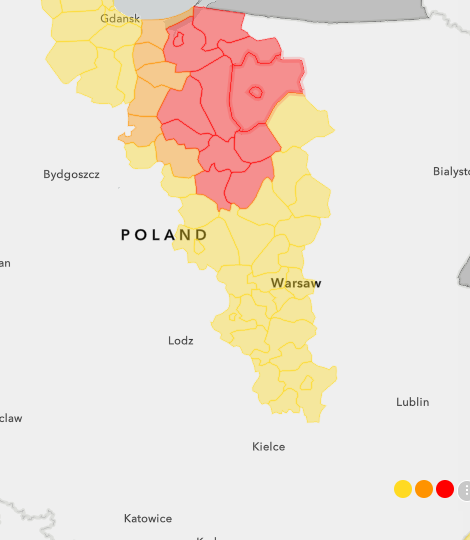
Travelers heading to the province on New Year's Eve should allow extra time for travel to destinations outside major cities. Bus service availability may vary depending on weather conditions, and train schedules may be altered to comply with safety standards during heavy snowfall. Because conditions may shift quickly, travellers are advised to follow transport updates frequently to adjust routes and avoid unexpected delays.
Air travel is likely to face challenges in clearing runways and preparing aircraft, which could lead to longer boarding times and delays. Traffic in cities may also slow down, as snow can affect neighborhood streets even after major roads have been cleared. People taking short trips or local travel may need to be flexible and prioritize visiting places that are frequently cleared to avoid surprises related to bad weather.
The warning underlines how winter weather can influence travel reliability and planning during busy periods. Monitoring official updates, allowing longer transfer times and preparing alternative routes may help reduce delays for those who need to travel. Conditions may improve once clearing operations progress, yet caution remains essential until snow levels stabilize and transport networks adapt. Travelers passing through or staying in affected areas should plan conservatively to avoid complications caused by shifting winter conditions.