EES Expansion Triggers Calls to Ease Border Bottlenecks
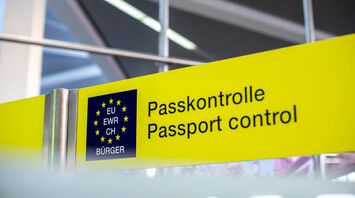
The EU’s Entry/Exit System (EES) expanded again on Friday 9 January, becoming operational at dozens more airports and ports across the bloc. The digital border scheme, first launched in October 2025, requires visa-exempt visitors from non-EU countries to register biometric data when entering the Schengen area. This expansion coincides with a change in the registration threshold: EU states must now process 35 per cent of eligible third-country arrivals instead of the earlier 10 per cent.
Reports from airports where EES is already active describe queues forming as first-time users navigate the new process at dedicated kiosks. People arriving from the UK, US and other non-EU countries have described longer waiting times at border control, with some saying delays caused them to miss their flights. Industry groups have pointed to the surge in terminal congestion during busy periods, with bottlenecks occurring when border police run both manual and digital checks simultaneously.
The EES is a change to how we travel to and from Europe, and while eventually it will make passport checks quicker, initially it may take longer.
A December review from Airports Council International (ACI) Europe highlighted the scale of disruption seen during the initial rollout. The report noted that border control processing times had increased by up to 70 per cent, with peak waiting times reaching three hours at some airports. With the latest expansion of EES coverage and stricter registration quotas now in effect, there are mounting concerns that pressure on border infrastructure could intensify through winter and into the main travel season.
Issues Noted During EES Rollout
- Longer queues at passport control
- Missed connections during peak hours
- Higher processing volumes with the 35% threshold
- Uneven experience across airports
ABTA, the UK travel trade association, says the first months of EES have ranged from smooth to highly disruptive. The group urges border authorities to use contingency options such as limiting checks or temporarily standing down the system during peak periods, noting these tools were not always applied when issues arose.
If you are departing the EU, we’re advising passengers to go straight to passport control as soon as they have gone through check-in and security, that way you get the EES checks out of the way as early as possible.
Industry bodies argue that EES will eventually change how non-EU nationals enter the Schengen area, but the transition is proving difficult. Longer processing times collide with busy schedules, creating pressure on staffing, infrastructure and communication. Until the system beds in, travel groups are calling for clearer guidance, better use of available contingency measures and greater awareness of timing at border points to reduce stress for anyone required to complete biometric registration.