Chiang Mai Expands Its Cultural Map with New Riverside Museum
The Dibba Yana Chitta Museum has opened at Anantara Chiang Mai Resort, aligning with the first anniversary of the Dibba Yana Chitta vessel created by Thai National Artist Chalermchai Kositpipat. The museum presents nine scale models that illustrate how the artwork progressed from early concepts to its completed form. Its launch introduces an additional cultural venue to the riverside district, an area already recognised for heritage sites, river routes and long standing neighbourhoods that attract both local residents and visitors.
The exhibition also documents the involvement of bronze casting specialist Charoen Maboot, whose technical skills contributed to shaping the vessel’s final structure. As part of the launch, nineteen handcrafted models were produced as a limited collector’s series, intended to reflect interest in physical representations of modern Thai artistry rather than functioning as promotional merchandise. The museum’s opening highlights ongoing efforts to record and interpret contemporary cultural projects within Northern Thailand.
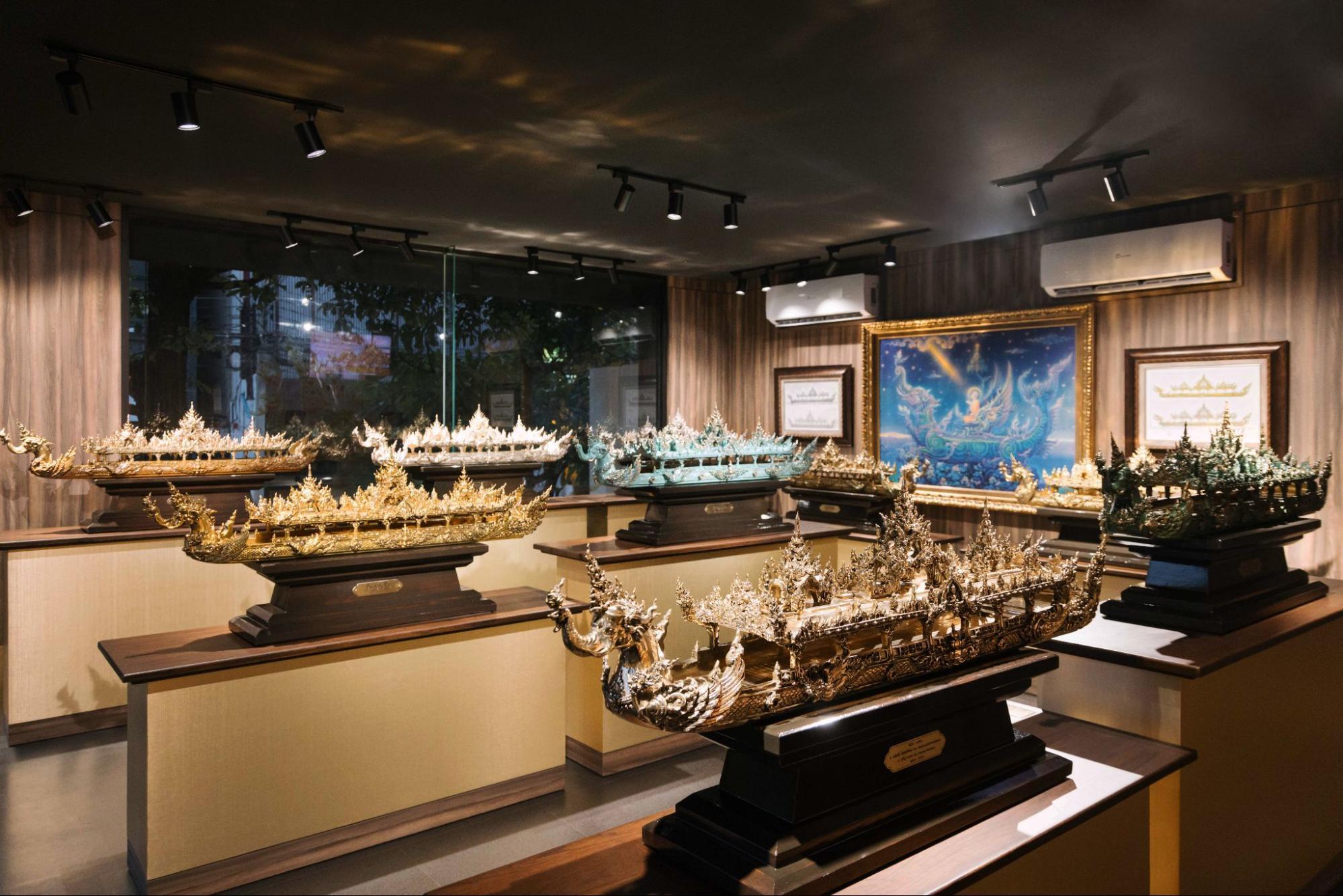
The museum introduces a structured cultural stop along the Mae Ping River, providing context for artistic work featured in the surrounding district. The Dibba Yana Chitta vessel itself operates on selected local river journeys within the resort’s cruise programme, including short morning routes and early evening sailings. These trips make the museum easily accessible for visitors who wish to combine river travel with cultural exploration, without requiring significant changes to existing sightseeing plans or itineraries.
Several nearby locations may be relevant for travellers creating a cultural itinerary around the museum. Wat Ket Karam, situated within the same riverside neighbourhood, includes a small community museum documenting local history. Warorot Market, one of Chiang Mai’s oldest commercial areas, is also within walking distance and offers textiles, produce and everyday goods typical of the region. These surroundings allow visitors to experience different aspects of riverfront life while remaining close to the museum’s exhibition space.
The opening of the Dibba Yana Chitta Museum shows that Chiang Mai is changing how it approaches cultural tourism. Instead of focusing on entertainment attractions, the city is now focusing on preserving, interpreting, and ensuring the accessibility of cultural sites to the public. For travelers, this trend makes it easier to explore the city's artistic processes and regional heritage while strolling along the riverfront. As more institutions place greater emphasis on documentation and education, visitors can expect a wider range of cultural experiences that will help them gain a deeper understanding of the art and history of Northern Thailand.