North Wales Rail Shutdown to Disrupt January Travel
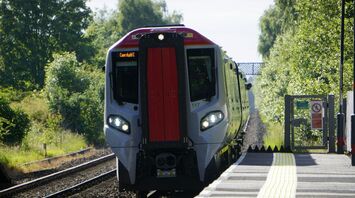
Transport for Wales has announced replacement buses for a four-week railway closure along the North Wales Coast early next year. From 9 January to 5 February 2027, major sections of the Chester–Holyhead route and the Conwy Valley line will shut while Network Rail carries out more than £25 million of upgrades. Passengers travelling to coastal towns and Holyhead ferry connections face longer journeys and changes along the way.
How to Travel During the Rail Closure
- Check replacement bus routes and connections using the TfW journey planner or TfW app.
- Find your bus stop under ‘Transport Links’ on the relevant station page.
- Allow extra time for connections, especially when catching a ferry at Holyhead.
- Choose between limited-stop coaches and local buses serving smaller stations.
- Book Passenger Assist online or call 03333 211 202 if needed.
- Pay-as-you-go users should tap in and out at stations, not on buses.
The closure will happen in two stages. From 9 to 29 January, trains will not run between Chester and Holyhead or along the Conwy Valley line. Services between Chester and Llandudno Junction, and on the Conwy Valley line, resume on 30 January. The final section, between Llandudno Junction and Holyhead, stays closed until 5 February. Separate Wrexham–Chester closures are scheduled for 10, 16–17 and 23–24 January.
Faster replacement coaches will depart Chester and Holyhead every 30 minutes, stopping at Colwyn Bay, Llandudno Junction and Bangor. The full journey takes around two hours and 40 minutes; Sunday services run hourly. Local buses will serve smaller stations, while Conwy Valley replacements run every 90 minutes Monday to Saturday. Avanti trains from London Euston will reach Chester initially, then Llandudno Junction during the final week.
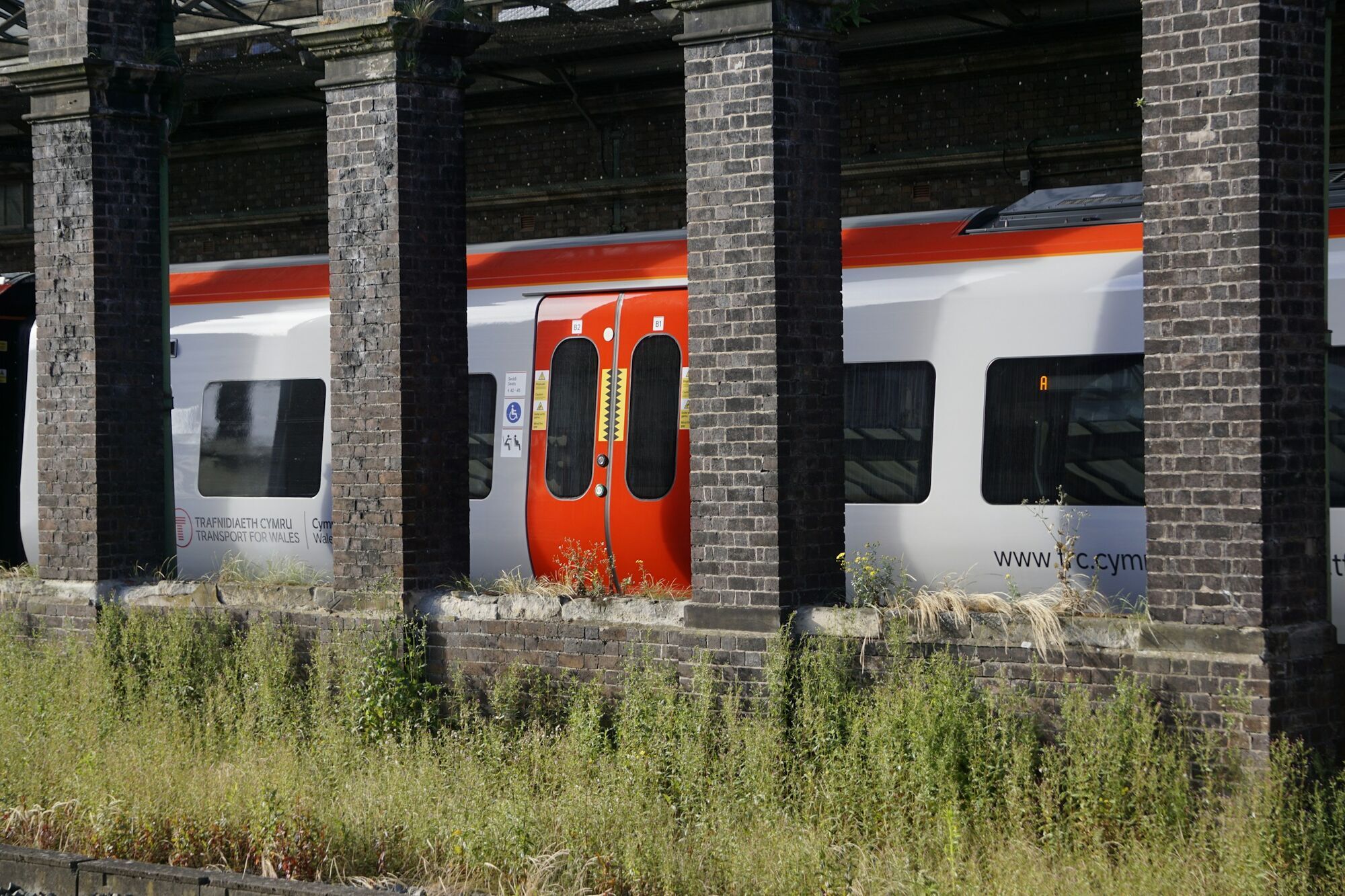
The work includes renewing the ageing track on Conwy Tubular Railway Bridge, improving drainage at Bodorgan Tunnel and repairing sections near Penmaenbach. Network Rail aims to reduce future faults by combining several years of maintenance into one closure. The immediate drawback is extra changes and slower journeys, particularly for passengers with ferry bookings or onward trains. Checking the complete journey, rather than only the rail departure, will matter.