Europe’s €20 ETIAS Still Isn’t Live - Don’t Apply Yet

Europe’s long-awaited ETIAS travel authorisation is still not open for applications, and there is nothing travellers need to do yet. The EU continues to say the scheme is expected in the final quarter of 2026, but it has not announced a specific start date. Officials say the launch will be confirmed several months in advance, so any website currently offering to process an ETIAS application should be treated with caution.
ETIAS: What Travellers Need to Know
- Who needs it: Travellers from 59 visa-exempt countries, including the UK, US, Canada and Japan
- Countries covered: 30 European countries
- Fee: €20
- Validity: Up to three years or until the passport expires
- Stay allowed: Up to 90 days in any 180-day period
- Fee exemptions: Under-18s, over-70s and some qualifying family members of EU citizens
- Current status: Applications are not yet being accepted
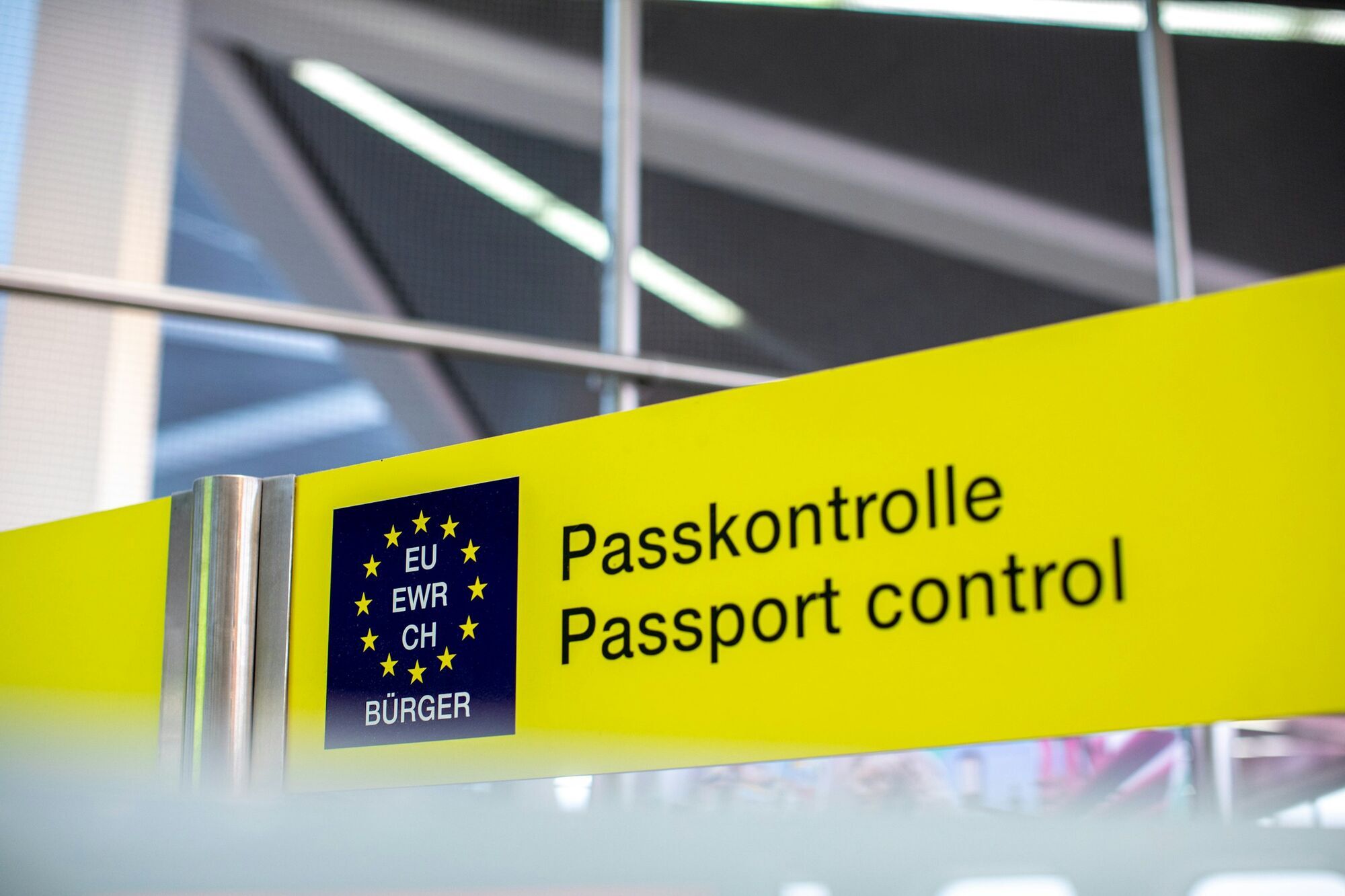
ETIAS will be a pre-travel authorisation rather than a visa. Applicants will complete an online form, provide passport and personal details and answer security questions. It is separate from the Entry/Exit System, or EES, which began rolling out on 12 October 2025 and has been fully operational since 10 April 2026. EES records short-stay border crossings electronically, while ETIAS will apply before visa-exempt travellers begin their trip.
Until ETIAS actually launches, eligible visa-free visitors can continue planning trips to countries such as France, Spain, Italy, Greece and Portugal without obtaining the new authorisation. That removes one extra step for near-term European holidays, although existing passport rules and the 90-days-in-180 limit still apply. Travellers crossing external Schengen borders should also expect their movements to be recorded through the now-active EES.

Anyone seeing websites offering to "secure" ETIAS now should avoid paying them. The EU is not collecting applications, and there is no benefit in registering early through a third party. People planning travel later in 2026 should check the official EU ETIAS site again before departure, because the current timetable still points to the final quarter of the year even though the exact date remains unsettled.