New 12-Seat Ferry Links Shoreham with Normandy
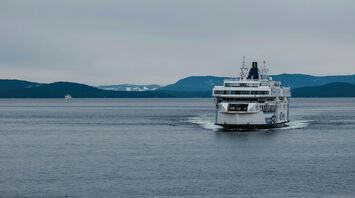
A new wind-powered passenger service is preparing to connect Shoreham on England’s south coast with Fécamp in Normandy. SailLink will use a catamaran carrying no more than 12 people, offering a slower and far smaller alternative to conventional Channel ferries. The pilot is intended to test whether regular sail-powered crossings can work as practical international transport rather than being limited to private voyages or leisure charters.
Inside the New Channel Crossing
- Operator: SailLink
- Route: Shoreham Port to Fécamp, Normandy
- Pilot dates: 8–13 September 2026
- Tickets on sale: 1 August 2026
- Frequency: Limited pilot sailings, with exact departures available when booking opens
- Seasonality: One September trial
- Journey time: Around eight hours
- Capacity: 12 passengers per sailing
- Fare: From £220 one way or £440 return
- Vessel: Wind-powered catamaran
- Skipper: Michel Desjoyeaux
Each crossing will be skippered by Michel Desjoyeaux, the only sailor to have won the Vendée Globe round-the-world race twice. He built the catamaran using parts from racing boats that had already circled the globe. The route also carries a historical connection, following the passage taken by Charles II when he sailed between Shoreham and Fécamp in 1651, more than three centuries ago.
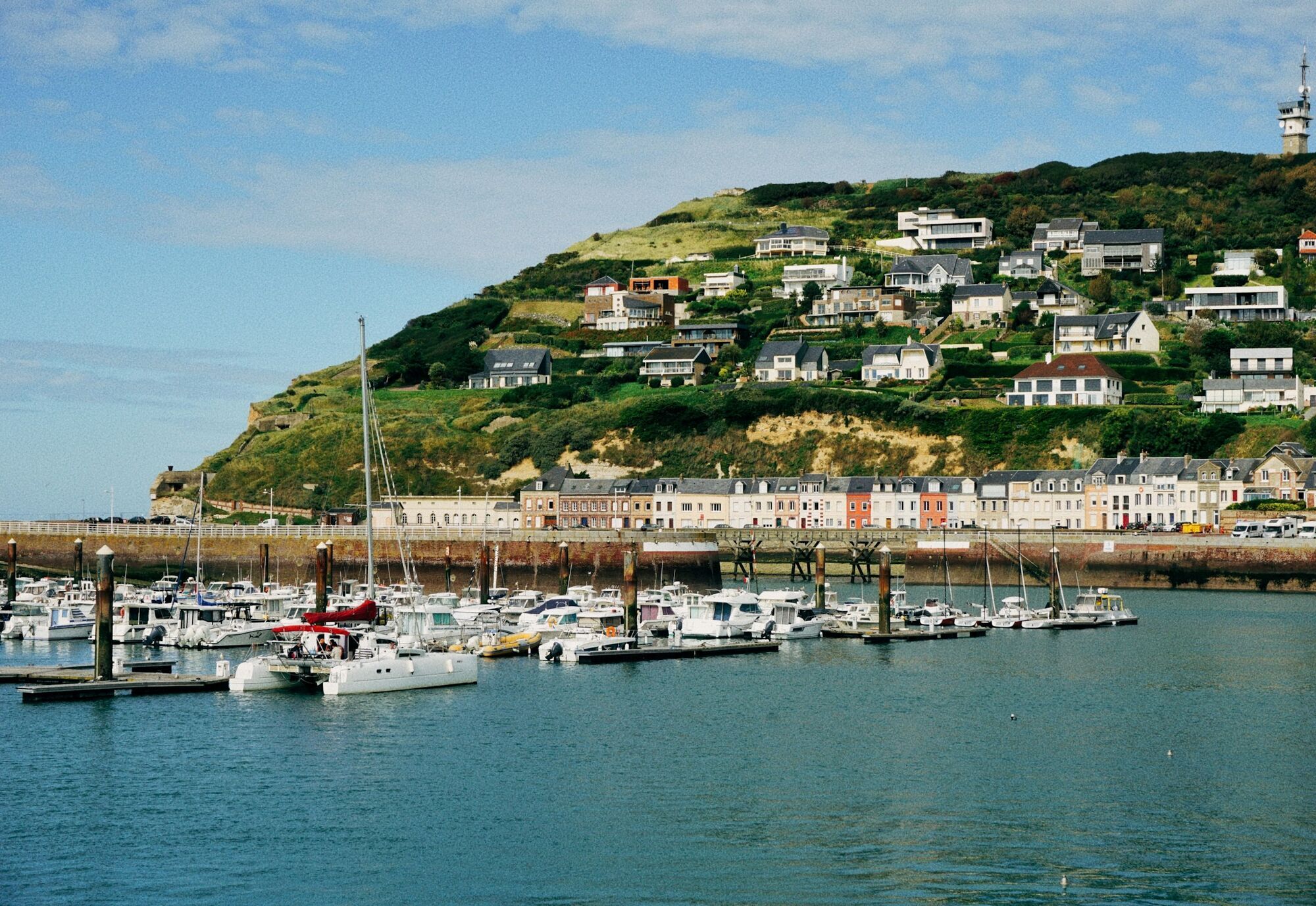
The service gives southern England a direct route to a less familiar part of Normandy. Fécamp combines a working fishing harbour with dramatic chalk cliffs, a long religious history and links to Bénédictine liqueur. The sea journey adds another layer to the visit by recreating a historic Channel passage, making the crossing itself part of the trip rather than simply time spent reaching France.
With only 12 places on each sailing and an eight-hour journey, this will not compete with high-capacity ferries on speed or price. Its appeal lies in the unusual route, the small-group setting and the use of wind power. Travellers interested in the pilot should check departure availability as soon as sales open, because a short operating window and limited capacity leave little room for last-minute plans.