No Passport, No Ferry on Key Britain–Ireland Routes
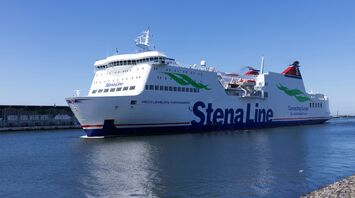
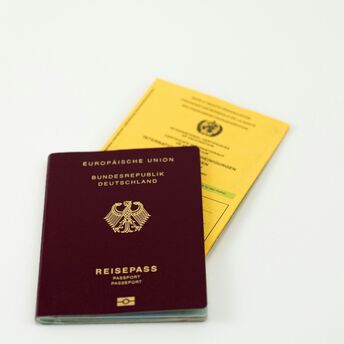
British travellers using selected ferry routes between Great Britain and the Republic of Ireland now need a valid passport at check-in after new operator rules took effect on 28 September 2026. Irish Ferries and Stena Line have tightened identification requirements on key Irish Sea services. Travellers who arrive with a driving licence, bus pass or other photo ID may now be refused boarding on the affected routes.
Irish Ferries says the change applies in both directions on Dublin–Holyhead and Rosslare–Pembroke services and covers every passenger, including British and Irish citizens. Driving licences, national identity cards and other photographic ID are no longer accepted on these sailings from that date. Stena Line has introduced a passport-at-check-in requirement for passengers travelling through Dublin, Holyhead, Fishguard and Rosslare ports.
What Changes on Britain–Ireland Ferries
- Start date: 28 September 2026.
- Irish Ferries: Dublin–Holyhead and Rosslare–Pembroke.
- Stena Line: Holyhead–Dublin and Fishguard–Rosslare.
- Who: all passengers on affected services, including children.
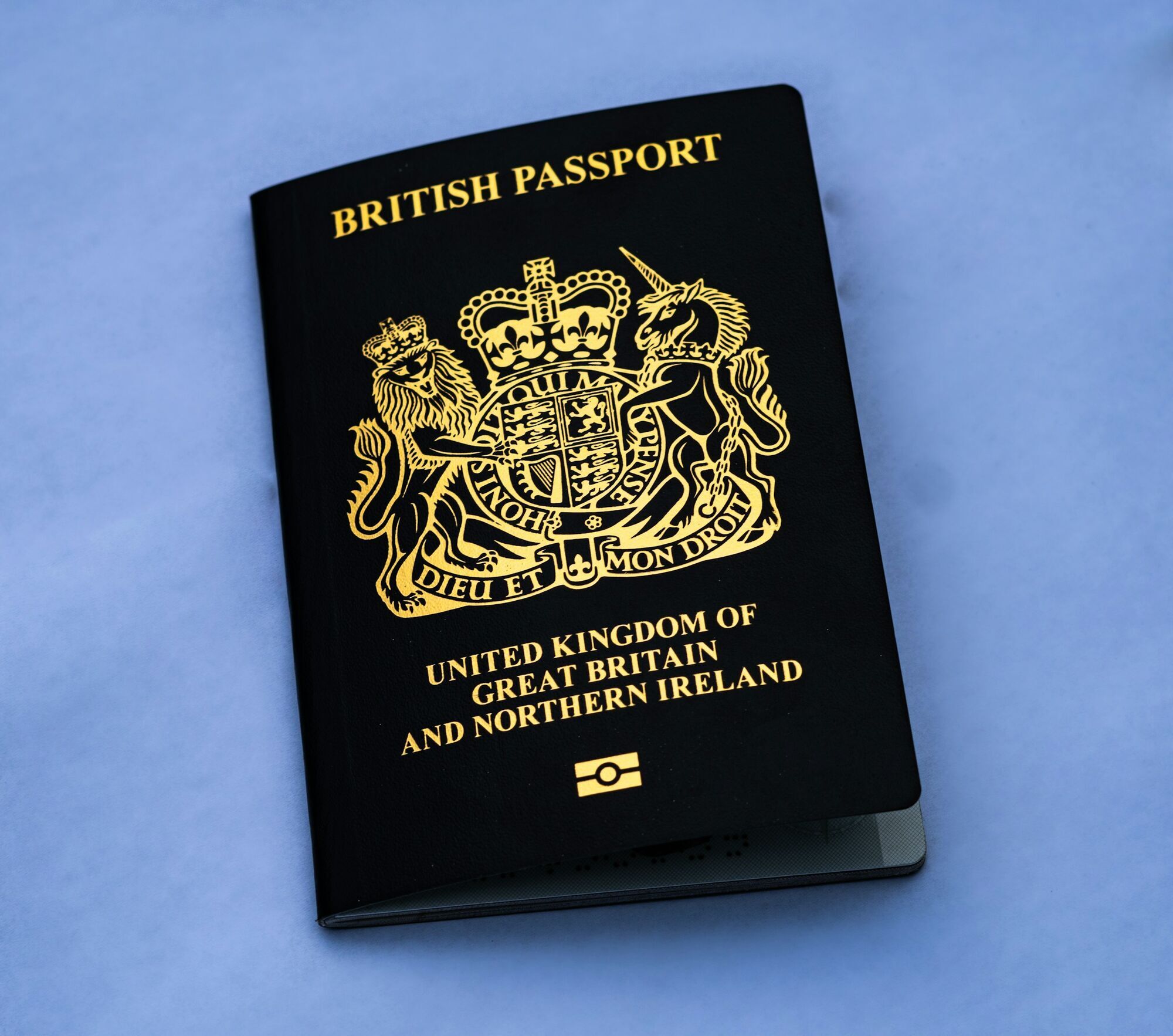
- Accepted: valid passport; Irish Ferries also accepts a valid Irish passport card.
- Stena condition: passports must contain an MRZ code.
- Duration: ongoing; no end date is listed.
- Before travel: verify ID, visa or ETA requirements.
The change is a carrier requirement, not a new law ending passport-free travel under the Common Travel Area. GOV UK says British nationals are not legally required to show a passport to enter Ireland, while British and Irish citizens do not need a UK ETA. Non-visa nationals legally resident in Ireland are also ETA-exempt when travelling to the UK within the CTA, although those aged 16 or over may need valid Irish-issued proof of residence.
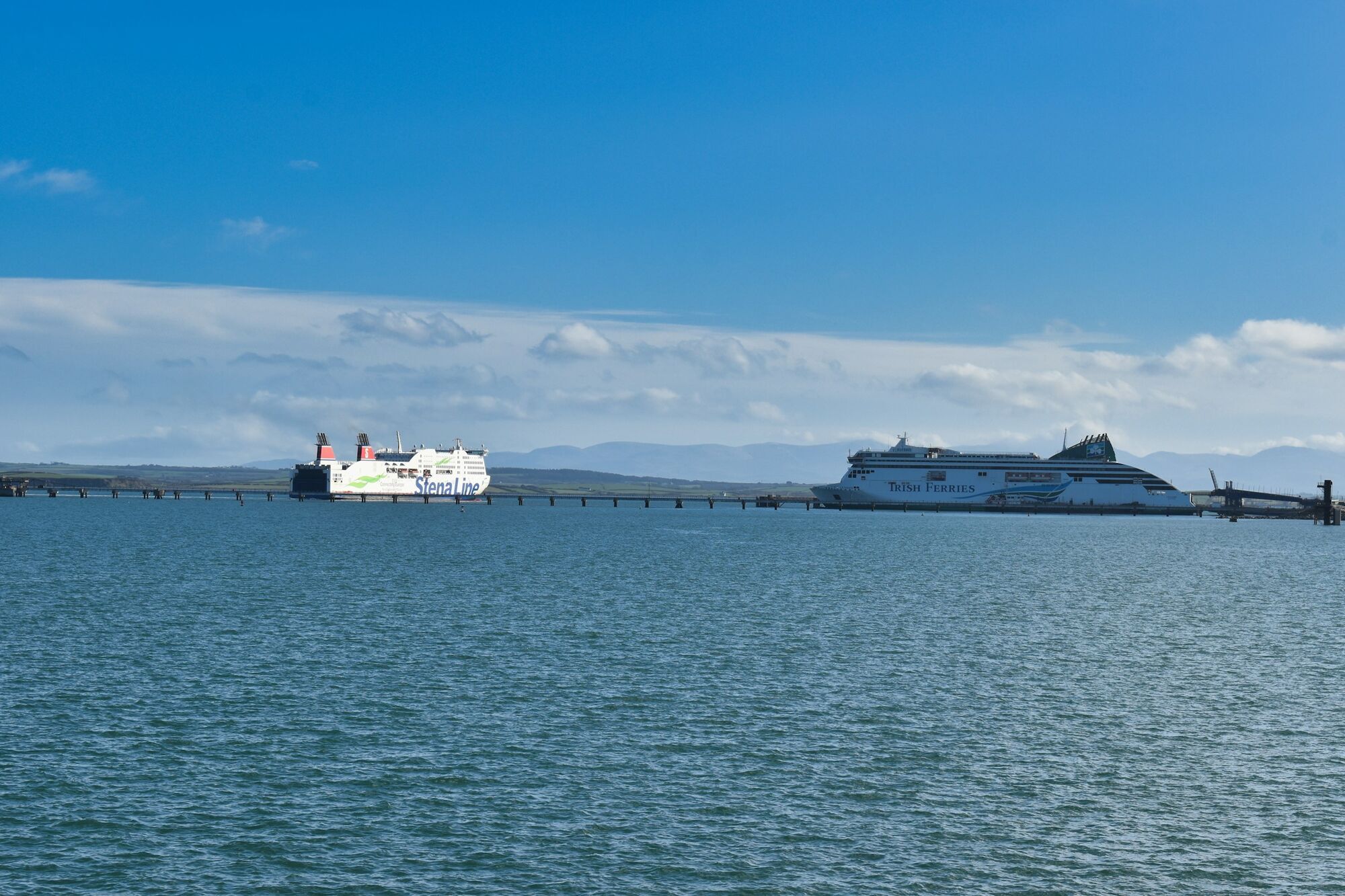
Anyone booked on these routes should now treat the passport as part of the ferry ticket requirements, even when the journey would not legally require one at the border. Stena passengers should also check that the name, date of birth, gender and nationality entered in their booking match the passport presented at check-in. Travellers using other Britain–Ireland services should not assume the same ID policy applies and should verify the rules with their own operator before departure.