Deer Crash Risk Peaks on UK Roads This Autumn
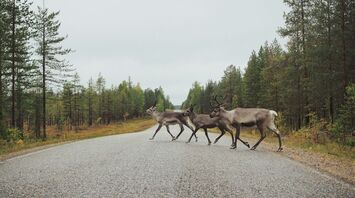
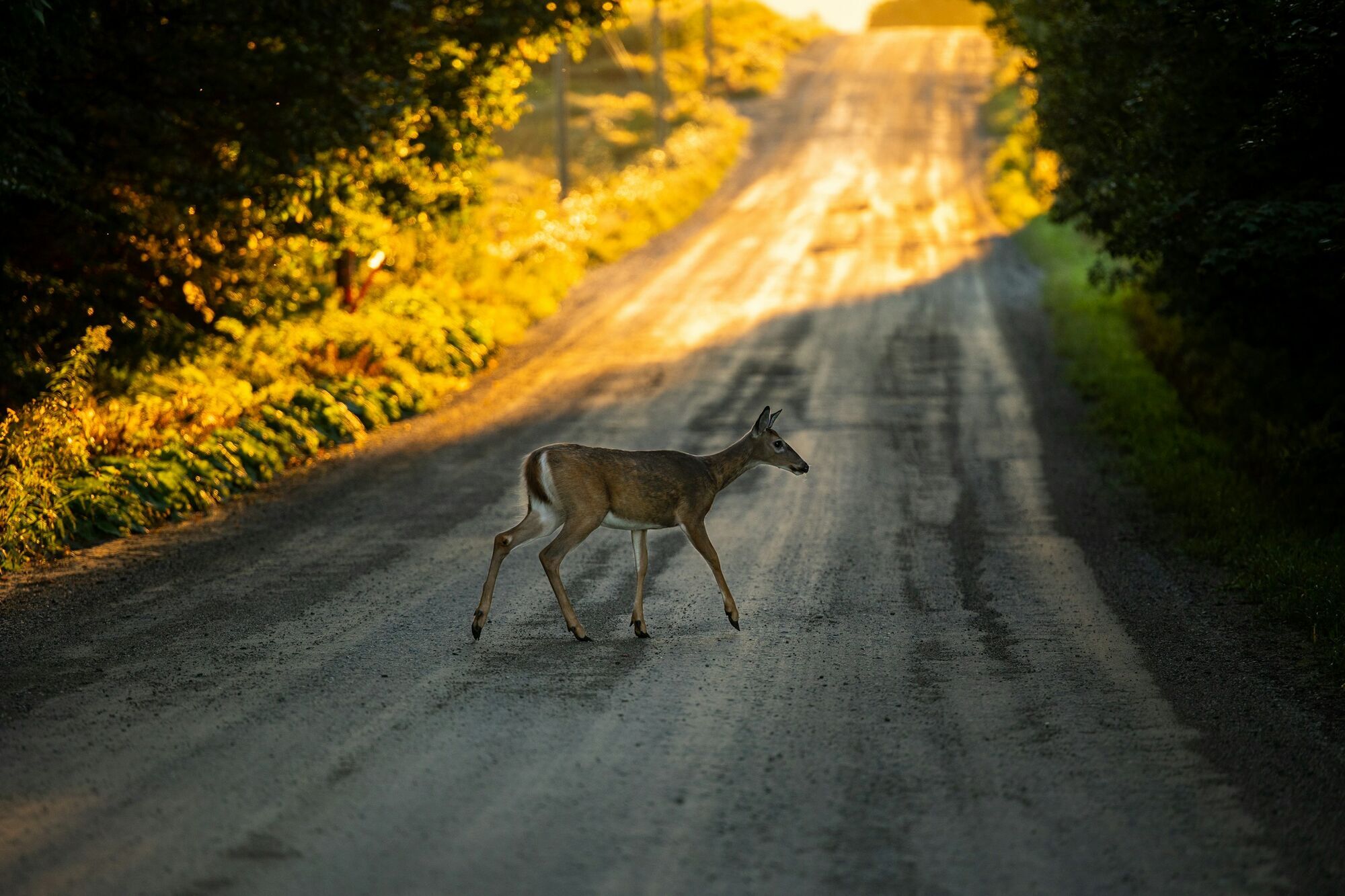
Drivers heading across the UK this autumn are being warned to watch for deer as the annual rut overlaps with darker evenings and busy commuting hours. GEM Motoring Assist says collisions typically peak between October and December, when deer are moving more frequently and visibility is poorer. The risk is not limited to quiet country lanes, with animals also appearing on A-roads, dual carriageways and roads near towns.
What to Do if Deer Appear
- Peak period: October to December, especially around dawn and dusk.
- Be extra careful: Deer warning signs and roads running alongside woodland or open countryside.
- If one appears: Slow down and expect more animals to follow.
- If a collision looks unavoidable: Brake firmly if safe, keep control and avoid a sudden swerve.
- After a collision: Stop safely, use hazard lights and do not approach an injured deer.
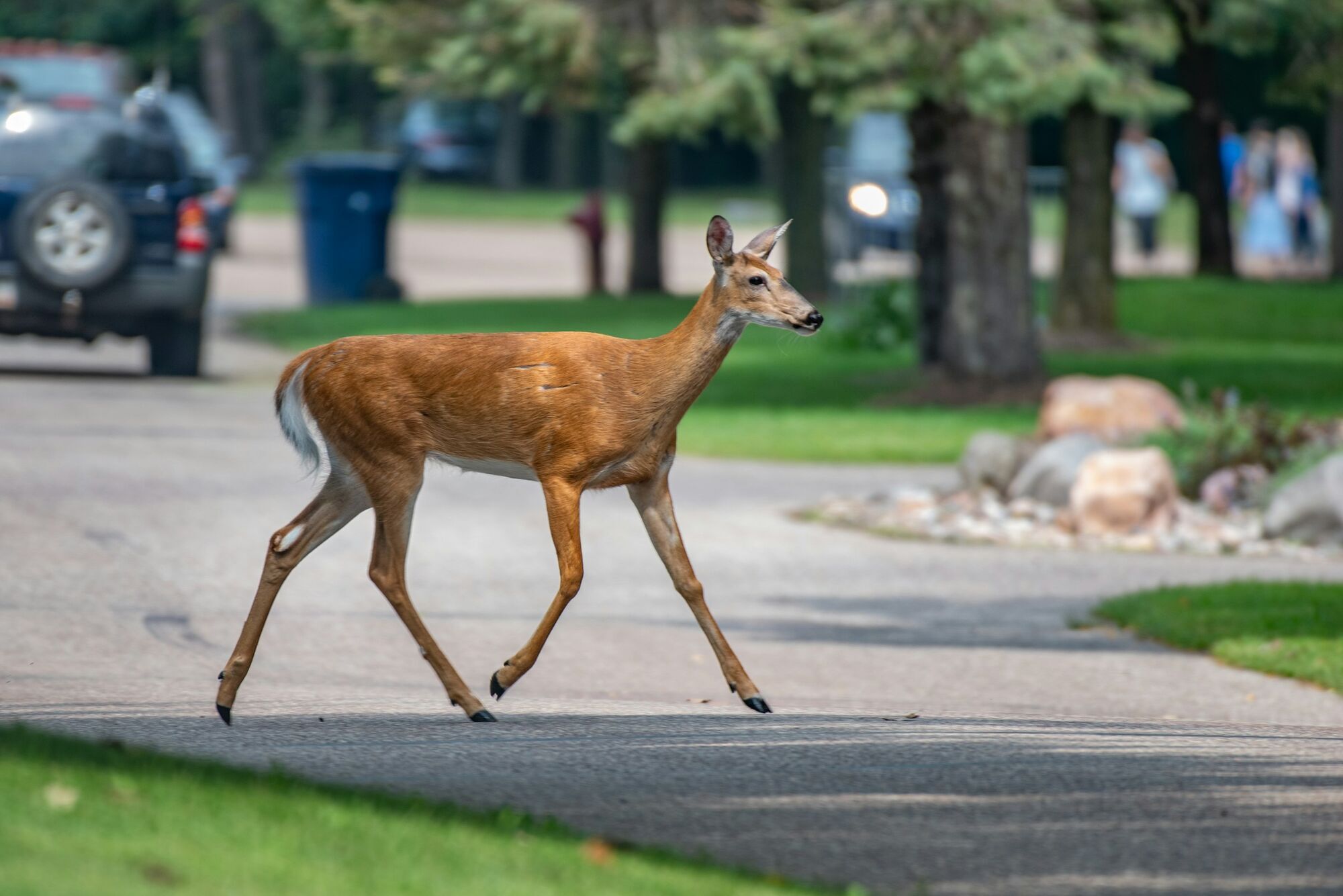
British Deer Society estimates suggest more than 40,000 deer are killed or injured on UK roads each year, with the true figure potentially nearer 74,000. The RSPCA puts vehicle damage at at least £17 million annually, while collisions also cause human injuries and fatalities. At night, guidance recommends full beam when safe, then dipping headlights if a deer appears because bright light may make it freeze.
The warning is especially relevant on autumn road trips through woodland, parkland and rural areas, where deer may move between feeding and breeding grounds. Drivers heading to countryside hotels, walking areas or scenic routes should take deer-warning signs seriously even on familiar roads. Deer can also appear on suburban edges and faster roads, so the risk does not disappear once a journey leaves a national park or forested area.
Anyone hiring a car in Britain should know what to do before setting off on rural or evening journeys. If a deer is injured but is not creating an immediate danger, stop somewhere safe and contact the police on 101 with a precise location. Use 999 if anyone is hurt or the animal or vehicle is obstructing the road. Do not approach or try to move an injured deer yourself.